Warum bilden sich Blasen bei Küchenutensilien aus Silikon?

Geschrieben von Paul Ren

Mit 16 Jahren Erfahrung im internationalen Handel und fundierten Kenntnissen in der Küchengeräteproduktion ist es mein Ziel, jede Zusammenarbeit reibungslos, effizient und angenehm zu gestalten. Wenn Sie in China nach einer zuverlässigen Manufaktur für maßgefertigte Küchengeräte suchen, freue ich mich darauf, mit Ihnen in Kontakt zu treten und gemeinsam zu erörtern, wie Canzo Ihr Unternehmenswachstum unterstützen kann.

Inhaltsverzeichnis

Silicone kitchen utensils are popular for their heat resistance, flexibility, and non-stick performance. However, many consumers notice strange bubbles, swelling, or even oily liquid forming inside silicone spatulas, spoons, or turners after long-term use.

So, why do silicone kitchen utensils bubble? Is it dangerous? And how can you avoid it?

As a professional Chinese kitchenware manufacturer, Canzo Küchengeschirr explains the real reasons behind silicone utensil bubbling and how to choose safer, longer-lasting kitchen tools.

What Causes Silicone Kitchen Utensils to Bubble?

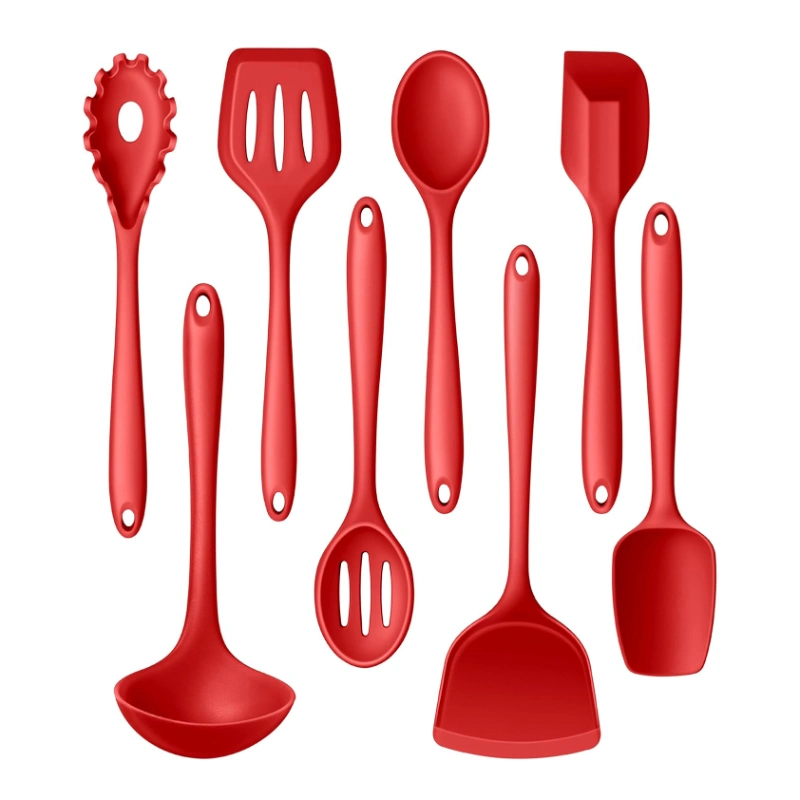
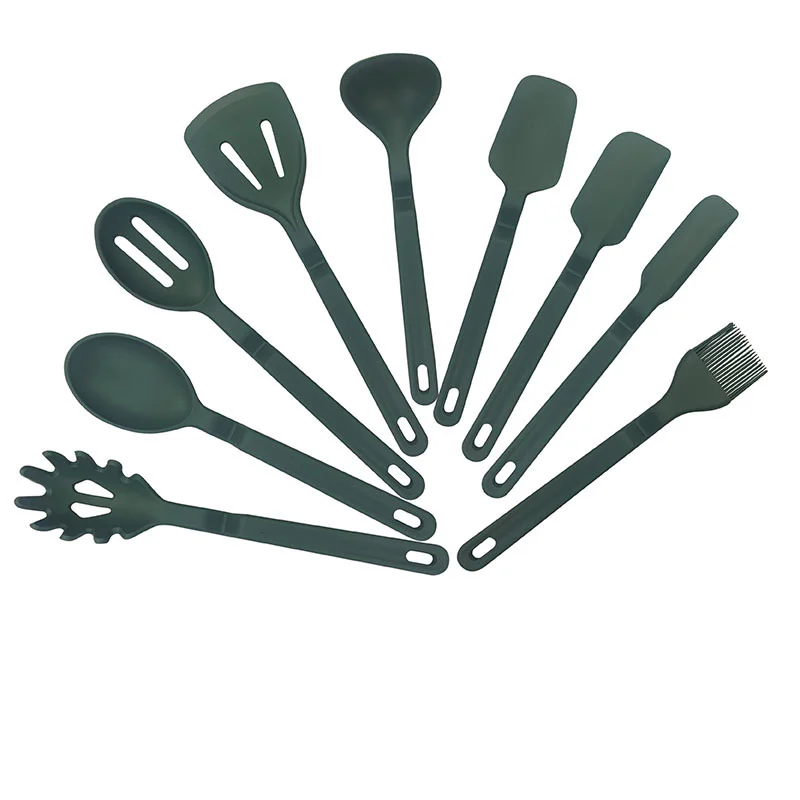
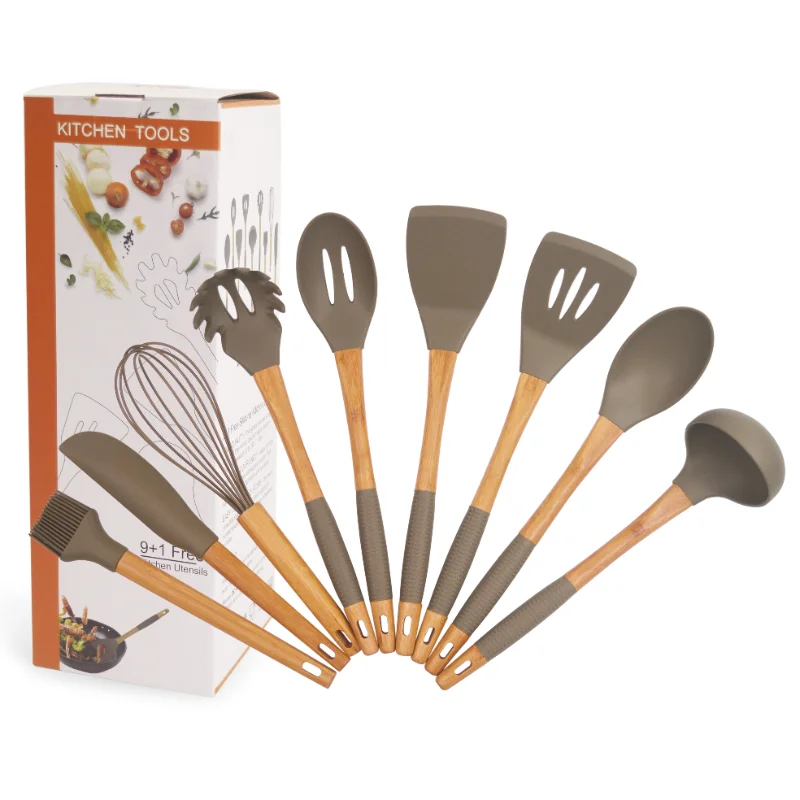
100% Silikon-Küchenutensilien-Set Großhandel 2

Silicone utensils usually bubble because trapped air, moisture, or material degradation expands under high cooking temperatures. In some cases, poor manufacturing quality or low-grade materials are the main reasons.

Here are the most common causes:

1. Delamination Between Silicone and Inner Core

Many silicone kitchen utensils are not made from solid silicone alone. To improve strength and durability, manufacturers often insert a rigid inner core made from:

  • Nylon
  • Edelstahl
  • Plastik
  • Fiberglass

The outer layer of food-grade silicone is then molded around this core.

If the silicone does not bond perfectly during manufacturing, tiny air pockets may remain between the silicone layer and the core. When exposed to heat, the trapped air expands and creates visible bubbles on the utensil surface.

Common Signs of Delamination

  • Raised soft bubbles on the silicone surface
  • Bubbling after cooking at high temperatures
  • Bubbles that flatten when pressed
  • Separation between silicone and core

This problem is especially common in low-cost silicone utensils made with poor molding technology.

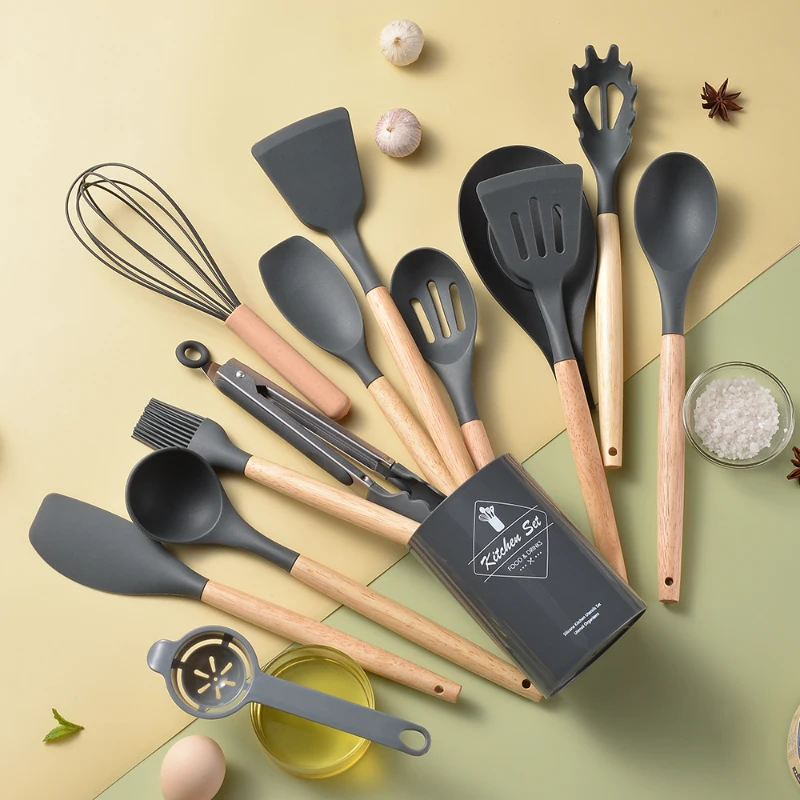
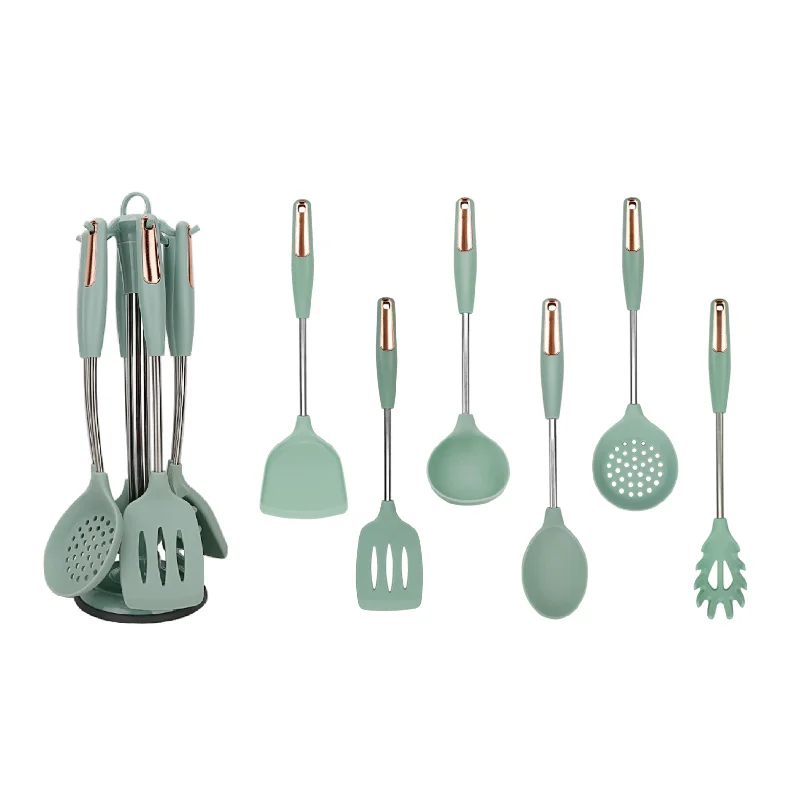
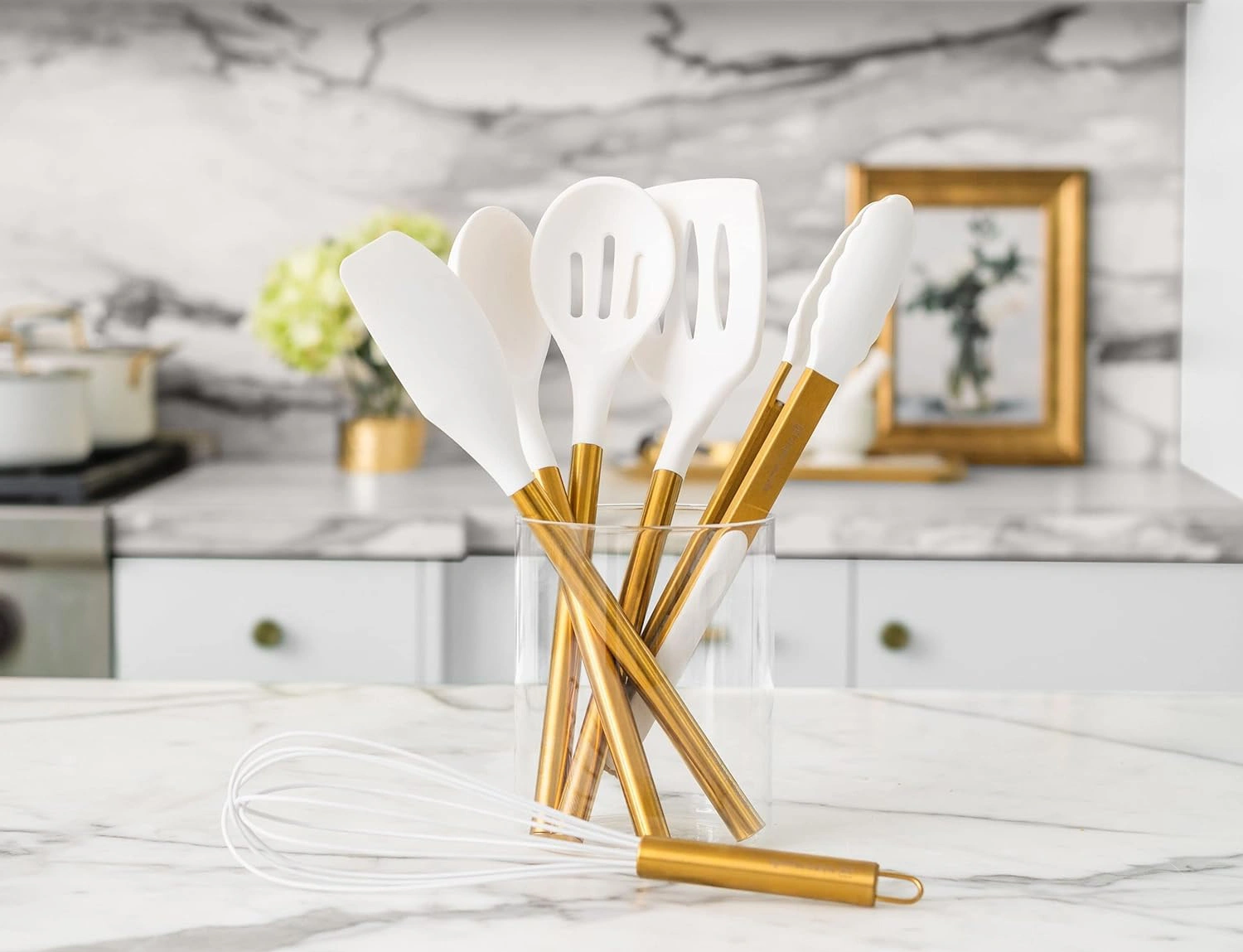
Bestes Küchenutensilien-Set Silikon 2

2. Moisture Absorption and Steam Expansion

Although silicone is highly heat resistant, it can still absorb microscopic amounts of:

  • Water
  • Dishwasher detergent
  • Cooking oils
  • Cleaning chemicals

Over time, these substances may penetrate tiny pores or gaps inside the utensil.

When the utensil touches a hot pan or hot oil, the trapped moisture rapidly converts into steam. The expanding steam creates bubbling, swelling, or frothing effects.

Why This Happens More Often

Bubbling caused by moisture is more common when:

  • Utensils are frequently washed in dishwashers
  • Cheap silicone contains fillers
  • The utensil is left soaking in water
  • Cooking temperatures exceed recommended limits

3. Thermal Degradation of Low-Quality Silicone

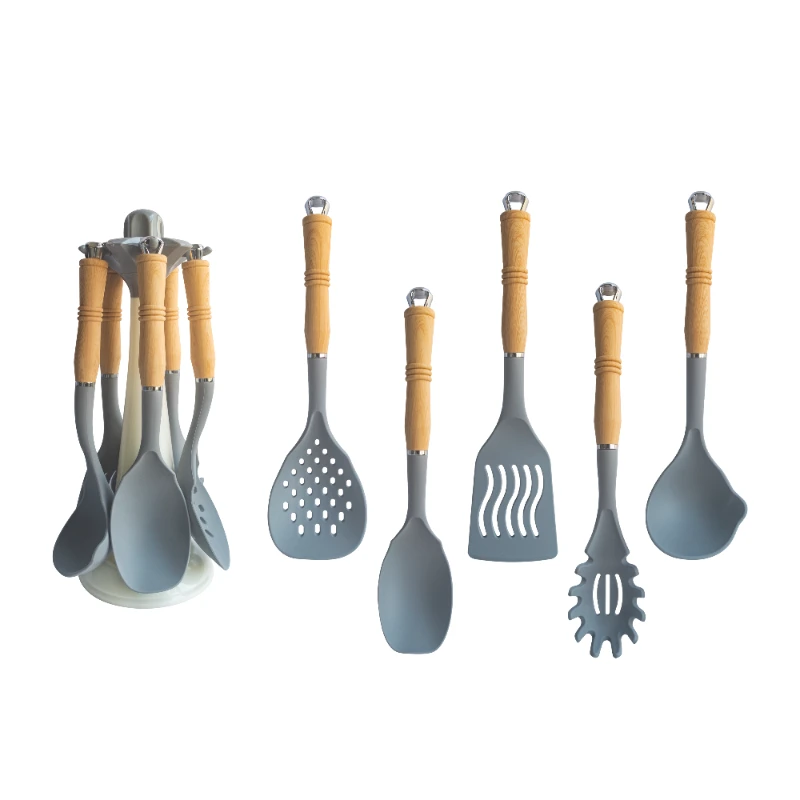
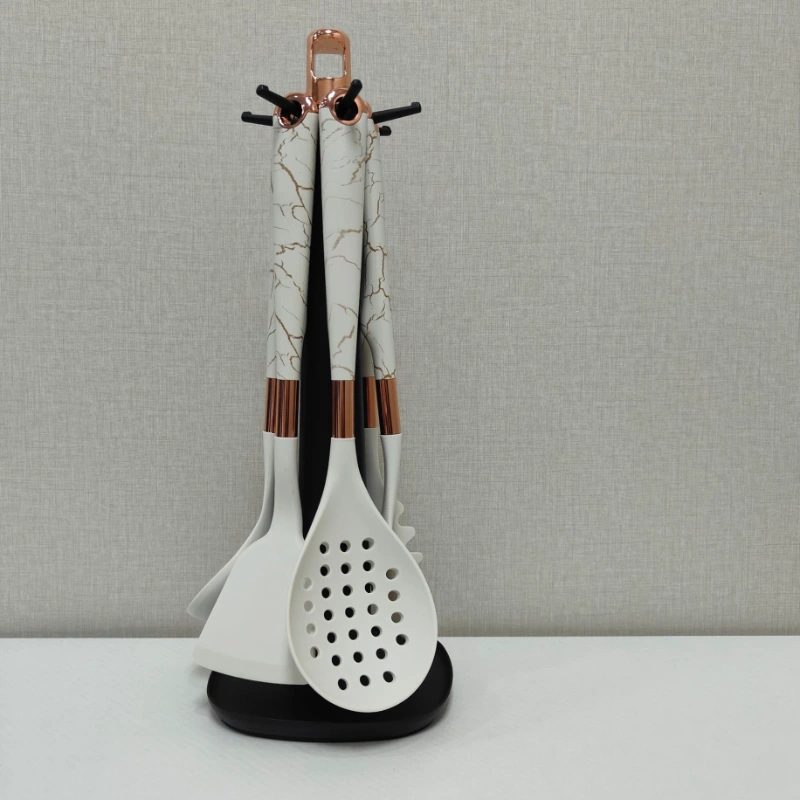
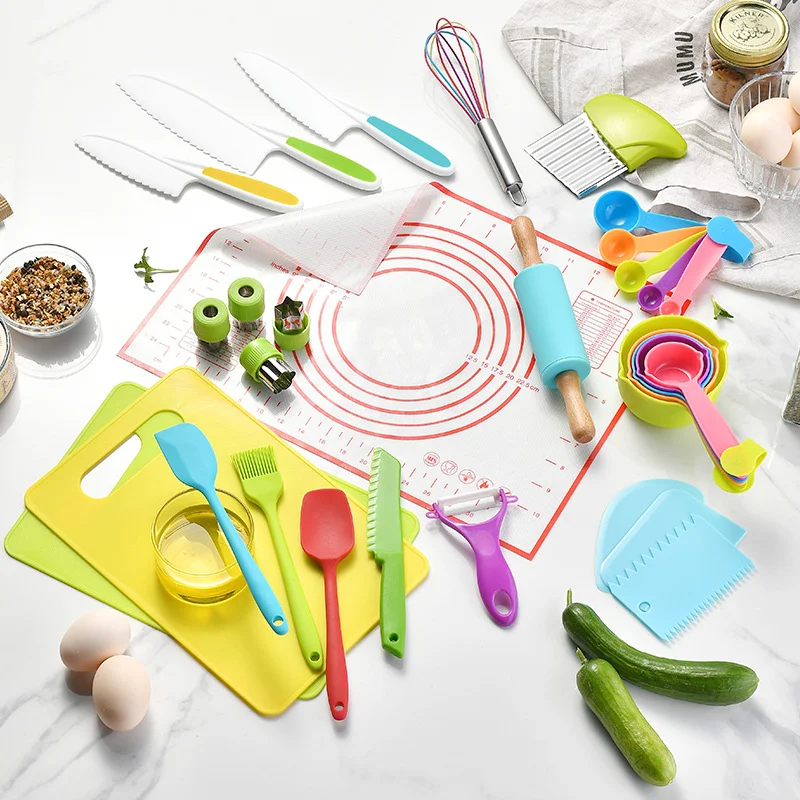
Großhandel Küchengeschirr Silikon und Holz Küchenutensilien Set 3

Not all silicone utensils are made from 100% food-grade silicone.

Some low-cost products use silicone mixed with plastic fillers or low-grade synthetic polymers. Under excessive heat, these materials may:

  • Soften
  • Swell
  • Release gases
  • Produce oily residue
  • Form permanent bubbles

This is one of the biggest quality differences between premium and cheap silicone kitchen utensils.

Warning Signs of Silicone Degradation

If your utensil shows any of these symptoms, it may be degrading:

  • Sticky or oily surface
  • Yellow liquid inside bubbles
  • Strong chemical smell
  • Cracks or peeling
  • Permanent swelling

At this point, the utensil should be replaced immediately.

Why Is There Yellow Oily Liquid Inside the Bubble?

Some users report that when they puncture the bubble, yellow oily fluid leaks out instead of air.

This can happen because:

  • Internal nylon or polymer materials are degrading
  • Oils trapped inside the utensil are separating
  • Synthetic fillers are breaking down under heat
  • Chemical plasticizers are leaking from low-quality materials

In cheap utensils, the inner nylon core may soften or chemically degrade over time, especially after repeated exposure to:

  • UV light
  • Geschirrspüler
  • High cooking temperatures
  • Hot oil

This is usually a sign that the utensil has reached the end of its lifespan.

Are Bubbling Silicone Utensils Dangerous?

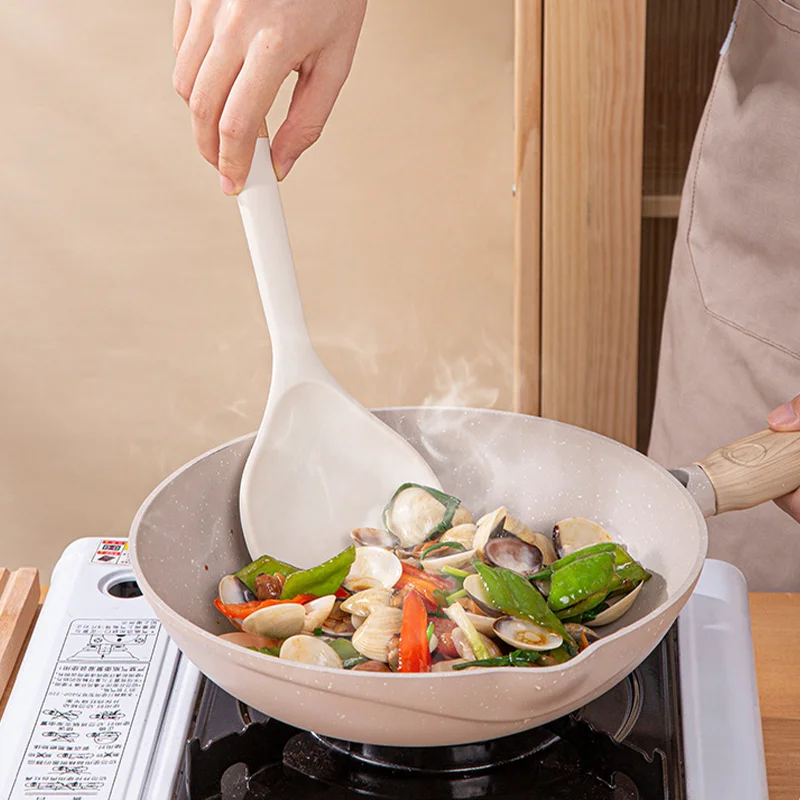
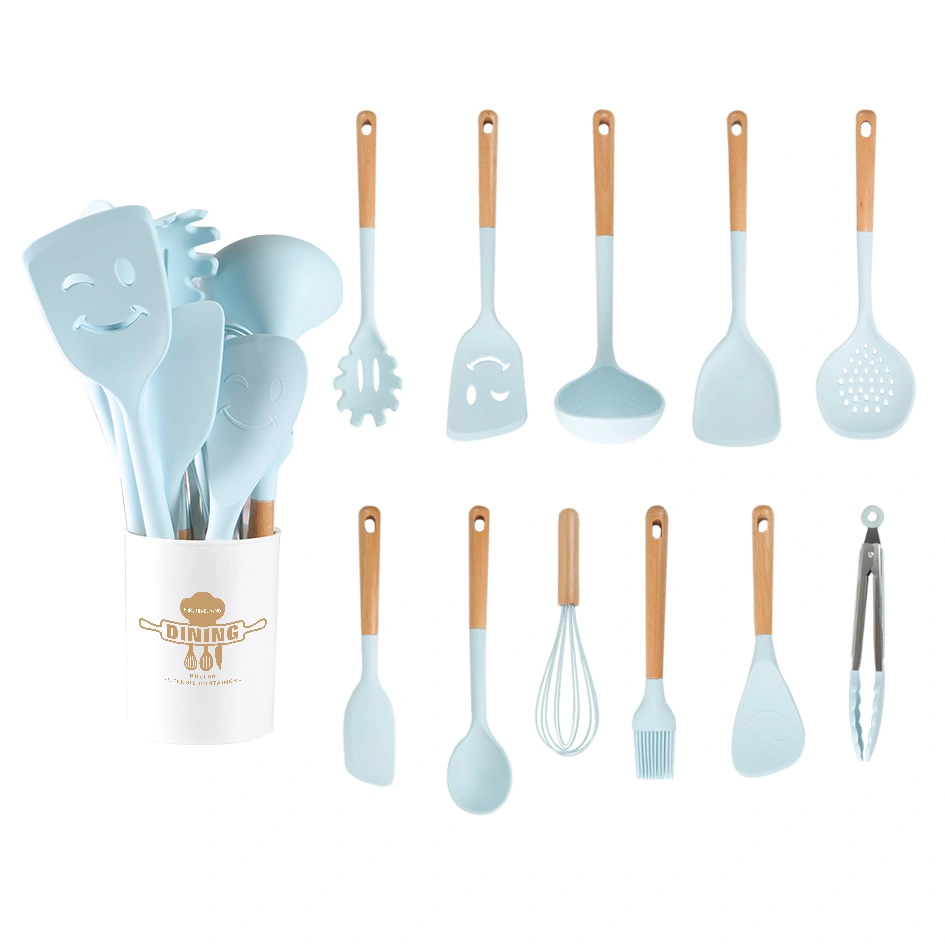
Silikon-Küchengeschirr-Faktor

It depends on the condition of the utensil.

Usually Safe (Temporary Use)

If the bubble:

  • Is small
  • Has not cracked
  • Does not leak
  • Has no odor

The utensil is generally still safe for low-temperature cooking.

Unsafe — Replace Immediately

Stop using the utensil if you notice:

  • Cracked bubbles
  • Oily leakage
  • Torn silicone
  • Exposed inner core
  • Chemical smells
  • Sticky surfaces

Damaged silicone can trap bacteria and may expose non-food-grade internal materials.

How to Prevent Silicone Utensils from Bubbling

Choose 100% Food-Grade Silicone

High-quality silicone utensils usually withstand temperatures up to:

  • 230°C to 315°C
  • 450°F to 600°F

Avoid products containing unknown fillers or mixed plastics.

Avoid Direct Contact with Hot Pans

Do not leave silicone utensils:

  • Resting on pan edges
  • Touching open flames
  • Sitting in hot oil for extended periods

Even premium silicone has temperature limits.

Hand Wash When Possible

Dishwashers expose utensils to:

  • Strong detergents
  • High-pressure steam
  • Repeated thermal cycles

Hand washing can significantly extend utensil lifespan.

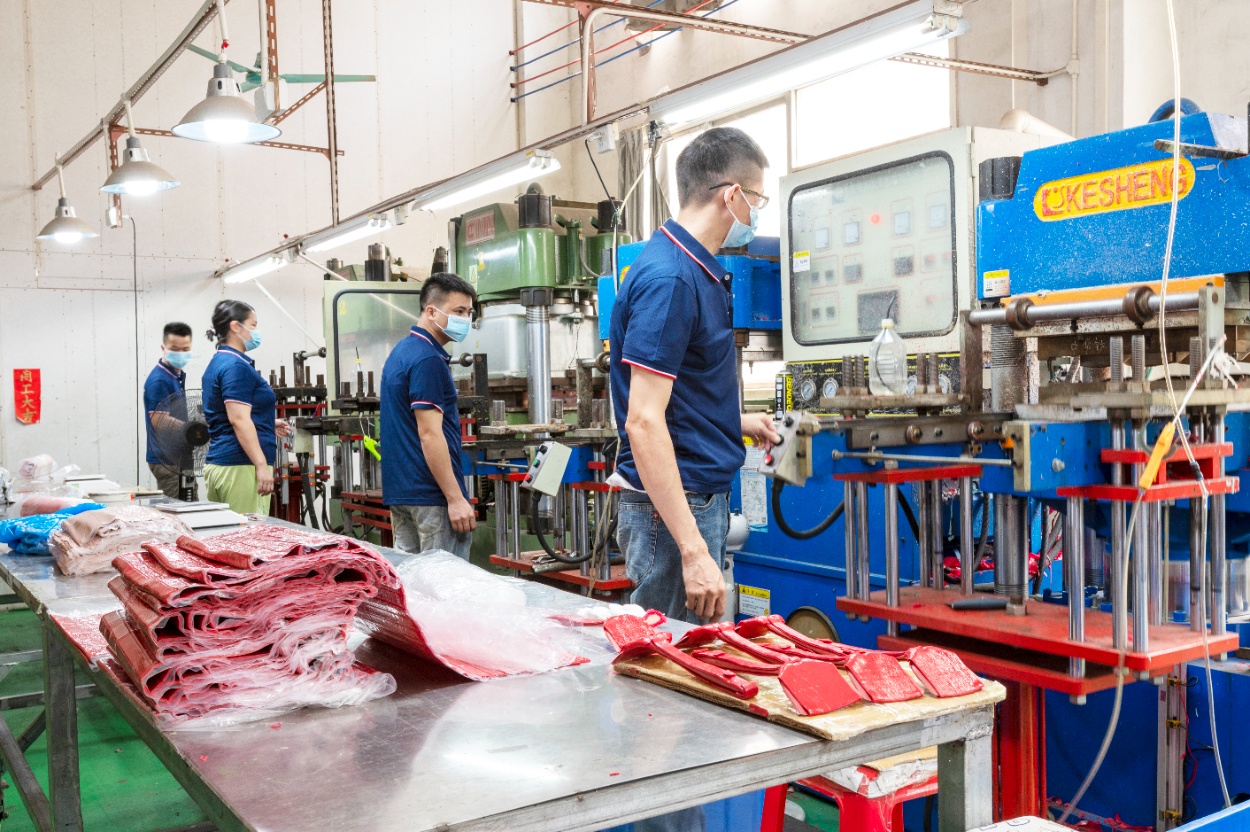
Buy from Professional Silicone Kitchenware Manufacturers

Reliable manufacturers use:

  • FDA/LFGB-certified silicone
  • Advanced molding technology
  • Strong silicone-core bonding
  • Strict heat resistance testing

This greatly reduces bubbling problems.

How Can High-Quality Silicone Utensils Be Identified?

When sourcing silicone kitchen utensils, look for:

  • FDA or LFGB certification
  • BPA-free materials
  • One-piece seamless designs
  • Heat resistance above 230°C
  • No chemical odor
  • Thick, smooth silicone surfaces

Professional OEM kitchenware factories can also customize:

  • Silicone colors
  • Logos
  • Verpackung
  • Heat-resistant formulations

FAQ

Why do silicone kitchen utensils develop bubbles?

Silicone kitchen utensils usually develop bubbles because trapped air, moisture, or poor bonding between the silicone layer and inner core expands under high heat. Low-quality silicone materials may also degrade and form bubbles over time.

Are bubbling silicone utensils safe to use?

If the bubble is small, unbroken, and does not leak or smell, the utensil is generally still safe for low-temperature cooking. However, if the bubble cracks, leaks oily liquid, or exposes the inner core, the utensil should be discarded immediately.

Why is yellow oily liquid coming out of my silicone spatula?

Yellow oily liquid may indicate that the internal nylon core or low-quality synthetic materials are degrading under heat. It can also result from oils or chemical fillers separating inside the utensil after long-term use.

Can heat damage silicone kitchen utensils?

Yes. Although high-quality food-grade silicone is heat resistant, extreme temperatures beyond its limit can cause swelling, bubbling, softening, or material degradation. Cheap silicone mixed with plastic fillers is more likely to fail under heat.

What temperature can food-grade silicone withstand?

Most premium food-grade silicone kitchen utensils can safely withstand temperatures between 230°C and 315°C (450°F to 600°F), depending on the silicone formulation and manufacturing quality.

How can I prevent silicone utensils from bubbling?

To prevent bubbling:

  • Use high-quality food-grade silicone utensils
  • Avoid leaving utensils on hot pan edges
  • Do not expose utensils to open flames
  • Hand wash when possible
  • Avoid overheating during cooking

Do silicone utensils absorb water or oil?

Silicone can absorb microscopic amounts of moisture, oil, or detergent over time, especially if the material quality is poor or the utensil has tiny internal gaps. Under high heat, trapped moisture may turn into steam and create bubbles.

How do I know if a silicone utensil is high quality?

High-quality silicone utensils usually feature:

  • FDA or LFGB certification
  • BPA-free materials
  • No chemical odor
  • Seamless one-piece construction
  • Hohe Hitzebeständigkeit
  • Smooth and thick silicone surfaces
Kontaktinformationen

Einreichen Ihrer Anfrage