Table of Contents
When it comes to modern baking tools, silicone bakeware has become a popular choice thanks to its flexibility, non-stick properties, and excellent heat resistance. But many users still wonder: can silicone bakeware go directly on oven rack? Or more specifically, do you put silicone bakeware directly on the oven rack safely?
As a professional Chinese manufacturer of silicone kitchenware, Canzo Kitchenware is here to give you a complete and practical guide. Understanding how to properly use silicone bakeware in the oven will help you achieve better baking results while ensuring safety and durability.
Can Silicone Bakeware Go Directly on Oven Rack?
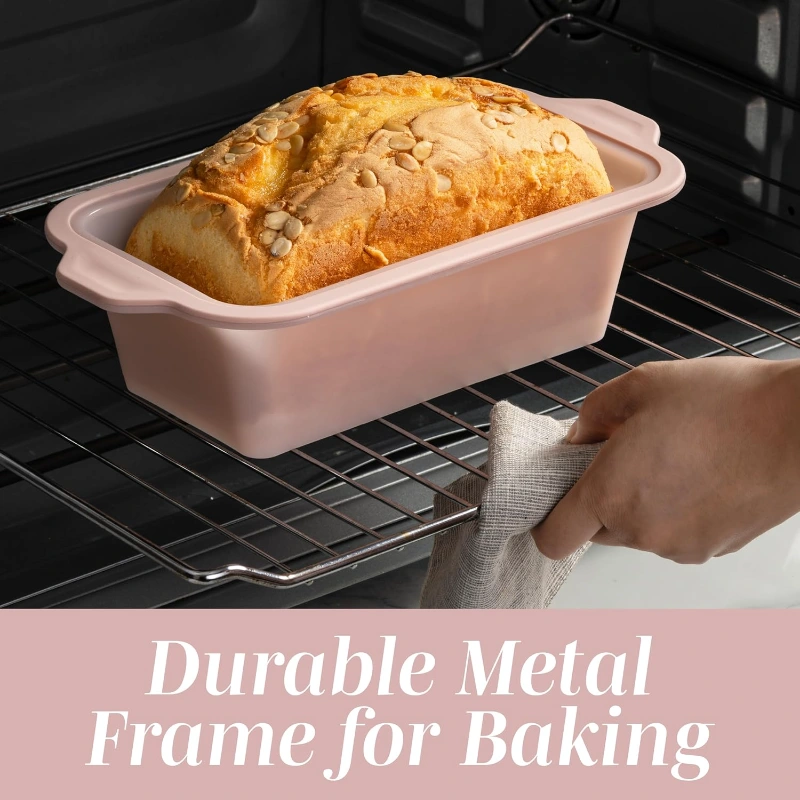
The answer is Yes — high-quality silicone bakeware can go directly on the oven rack. Food-grade silicone is designed to withstand high temperatures typically used in baking, making it suitable for direct placement without requiring an additional tray.
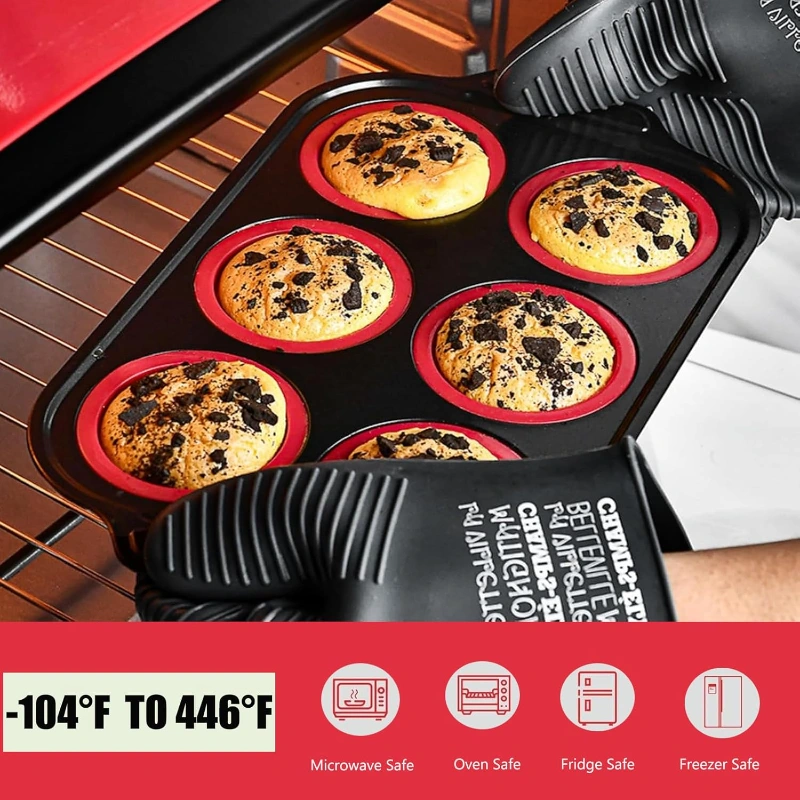
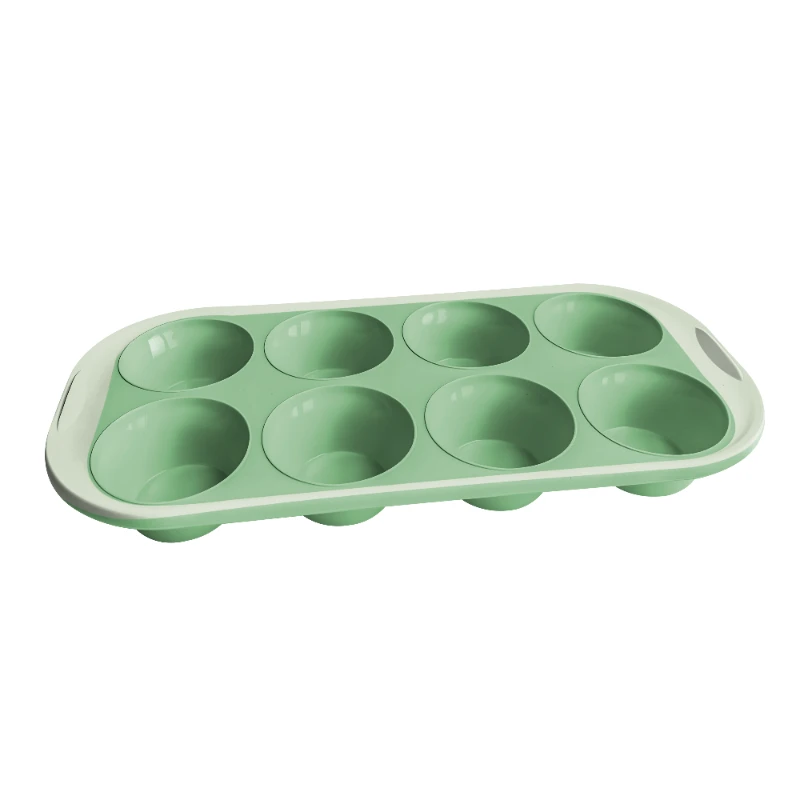
Most premium silicone bakeware products are heat-resistant from -40°F to 446°F (-40°C to 230°C), which covers nearly all standard baking scenarios. This means you can confidently use silicone molds, cake pans, and muffin trays directly on the oven rack without worrying about melting or damage.
However, while the material itself is safe, proper usage techniques still matter to ensure stability and optimal baking results.
Why Silicone Bakeware Is Safe for Oven Use
Heat Resistance and Stability
Silicone is a synthetic polymer made from silicon, oxygen, carbon, and hydrogen. This structure gives it exceptional thermal stability. Unlike plastic, silicone does not melt under normal baking temperatures, which answers a common concern: does silicone bakeware in oven melt? The answer is no—provided it is food-grade and used within temperature limits.
Non-Toxic and Food-Grade Material
High-quality silicone bakeware is FDA and LFGB compliant, meaning it is non-toxic and safe for food contact. It does not release harmful chemicals when heated, making it ideal for baking, roasting, and reheating.
Flexible Yet Durable Design
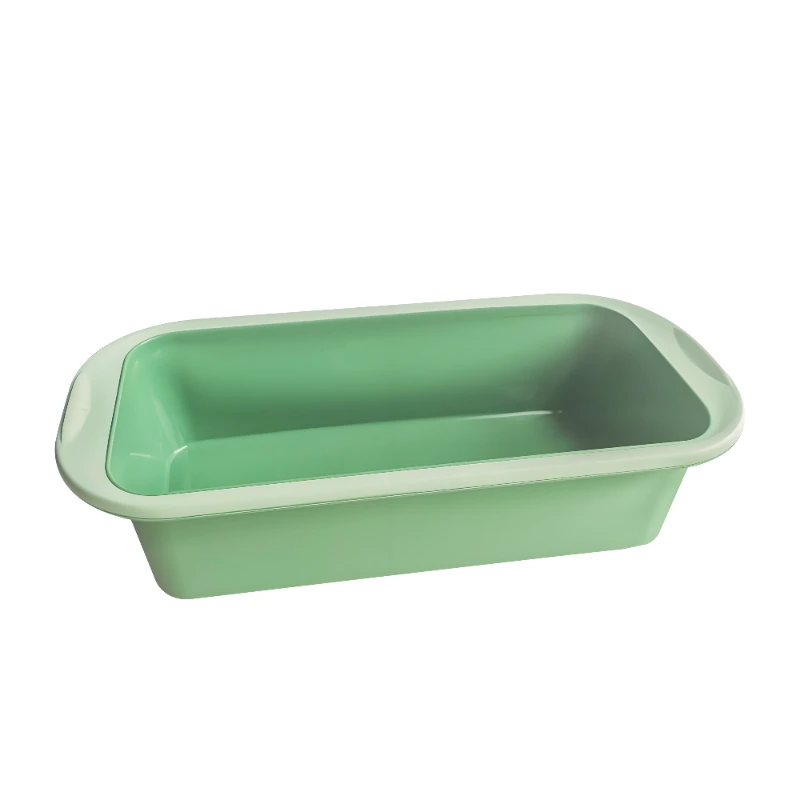
Although silicone is flexible, it is engineered to maintain its shape under heat. Many silicone bakeware products come with reinforced rims or thicker walls to prevent collapsing when placed directly on the oven rack.
Key Considerations Before Putting Silicone Bakeware on Oven Rack
Even though you can put silicone bakeware directly on the oven rack, there are a few important tips to keep in mind:
Preheat the Oven First
Always preheat your oven before placing silicone bakeware inside. Sudden temperature changes can affect baking consistency and may cause slight deformation.
Ensure Proper Placement
Place the silicone bakeware flat and centered on the rack to prevent tipping. Avoid positioning it too close to heating elements or open flames.
Avoid Overfilling
Because silicone is flexible, overfilling can lead to spills when transferring the bakeware to the oven. Fill molds carefully and keep them balanced.
How to Use Silicone Bakeware in Oven Properly
Use a Baking Tray for Support (Optional)
While silicone bakeware can go directly on the rack, placing it on a metal baking sheet provides extra stability—especially for liquid batters or larger molds.
Grease Lightly for Best Results
Although silicone is naturally non-stick, lightly greasing the surface can improve release for certain recipes like cakes or sticky desserts.
Allow Proper Air Circulation
Do not overcrowd the oven. Proper airflow ensures even baking and prevents uneven textures in your food.
Advantages of Using Silicone Bakeware in Oven
Easy Release and Non-Stick Performance
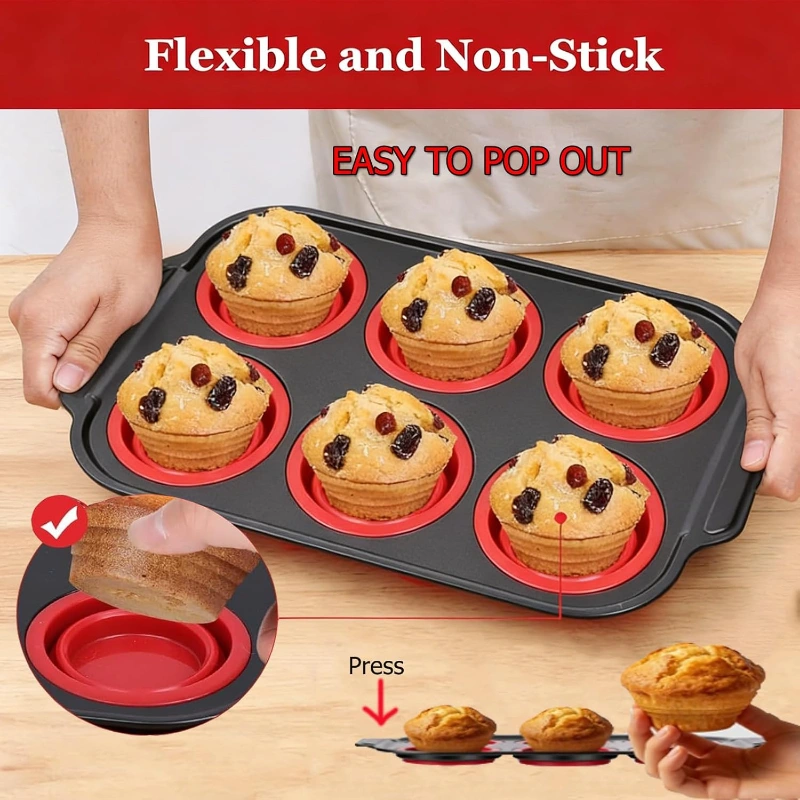
Silicone bakeware allows baked goods to pop out easily without sticking, reducing the need for excessive oil or parchment paper.
Easy Cleaning and Dishwasher Safe
Most silicone bakeware is dishwasher safe, making cleanup quick and convenient compared to traditional metal pans.
Versatility Across Temperatures
Silicone can be used not only in ovens but also in microwaves, freezers, and dishwashers, making it a multifunctional kitchen tool.
Common Mistakes to Avoid When Using Silicone Bakeware
Placing Near Direct Flame
Silicone should not come into direct contact with open flames or broiler elements, as extreme heat beyond its limit can cause damage.
Using Low-Quality Silicone
Not all silicone products are created equal. Low-quality silicone may contain fillers that reduce heat resistance and safety. Always choose certified food-grade silicone.
Ignoring Structural Support
Very thin or large silicone molds may sag when filled. In such cases, using a baking tray underneath is highly recommended.
Conclusion
So, can you put silicone bakeware directly on the oven rack? Absolutely—when using high-quality, food-grade silicone products. Understanding how to use silicone bakeware in oven correctly ensures both safety and excellent baking performance.
Silicone bakeware offers unmatched convenience, flexibility, and versatility, making it a must-have for both home bakers and professional kitchens. By following proper usage guidelines, you can fully enjoy the benefits of silicone bakeware in your daily cooking and baking.
FAQ
1. Can silicone bakeware go directly on oven rack?
Yes, high-quality food-grade silicone bakeware can go directly on the oven rack. It is designed to withstand typical baking temperatures without melting or warping. However, for better stability, especially with liquid batter, using a baking tray underneath is recommended.
2. Do you put silicone bakeware directly on the oven rack or a tray?
You can place silicone bakeware directly on the oven rack, but many users prefer placing it on a baking tray for easier handling and added support. This is particularly useful for flexible molds.
3. How to use silicone bakeware in oven properly?
To use silicone bakeware in the oven, always preheat the oven first, place the bakeware on a flat surface (rack or tray), avoid overfilling, and ensure even air circulation. Light greasing can also improve release for certain recipes.
4. Does silicone bakeware melt in the oven?
No, food-grade silicone bakeware does not melt under normal baking temperatures. Most silicone products are heat-resistant up to 446°F (230°C) or higher, making them safe for oven use.
5. Is silicone bakeware better than metal pans?
Silicone bakeware is better for easy release and cleaning, while metal pans provide better browning and crispiness. Many bakers use both depending on the recipe.
6. Can silicone bakeware touch oven heating elements?
No, silicone bakeware should not touch heating elements or open flames. Direct contact with extreme heat sources can damage the material.