
The best cooking utensils for nonstick cookware are made of materials that will not scratch or damage the delicate surface. These materials include silicone, nylon, and wood. Avoid using metal utensils, as they can scratch the nonstick coating and cause it to lose its effectiveness.
The Ultimate Guide to Nonstick Cookware Maintenance: Using the Right Utensils for Longevity
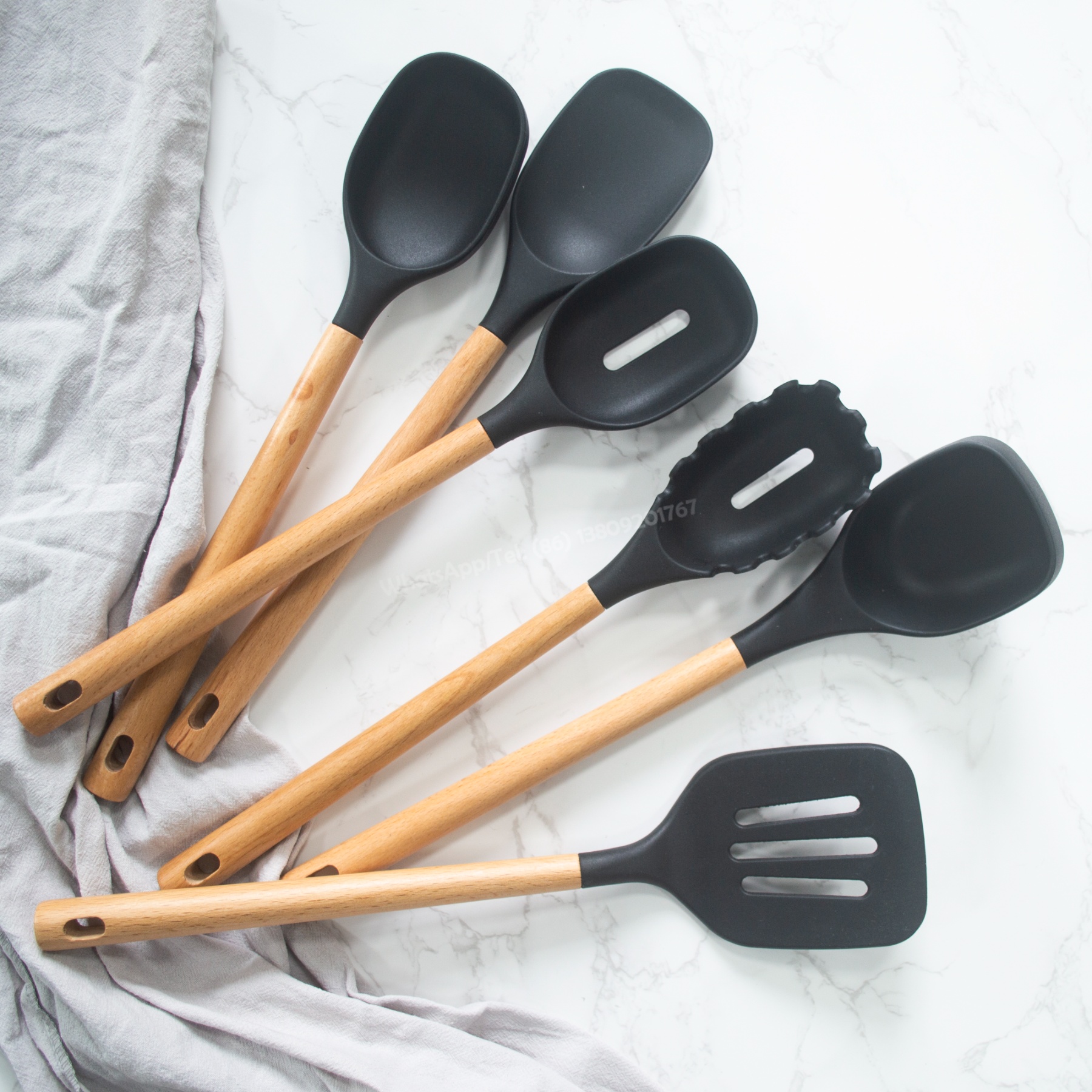
When it comes to preserving the longevity of your nonstick cookware, selecting the appropriate utensils is paramount. While metal utensils may seem like a convenient choice, they can inflict irreparable damage to the delicate nonstick coating. Instead, opt for utensils crafted from materials that are gentle on the surface, such as silicone, nylon, or wood.
Silicone utensils are highly heat-resistant and flexible, making them ideal for stirring, flipping, and scraping without scratching the coating. Nylon utensils are also heat-resistant and durable, offering a balance of firmness and flexibility. Wooden utensils, while not as heat-resistant as silicone or nylon, are a natural and eco-friendly option that can be used for stirring and mixing.
Avoid using sharp or pointed utensils, as these can puncture the nonstick coating. Additionally, steer clear of abrasive materials such as steel wool or scouring pads, which can strip away the coating. Instead, use a soft sponge or cloth with a mild dishwashing liquid to clean your nonstick cookware.
When storing your nonstick cookware, avoid stacking it with other pots and pans, as this can cause scratches. Instead, store it separately or use protective sleeves to prevent damage. By following these guidelines, you can ensure that your nonstick cookware remains in pristine condition for years to come.
In addition to using the right utensils, there are other practices that can help extend the life of your nonstick cookware. Always preheat your cookware over low heat before adding food, as this helps prevent the food from sticking. Avoid cooking at excessively high temperatures, as this can damage the coating. Allow your cookware to cool completely before cleaning it, as sudden temperature changes can warp the metal.
By following these simple tips, you can enjoy the benefits of nonstick cookware for many years to come. Remember, the key to maintaining its longevity lies in using the right utensils and handling it with care.
Choosing the Right Pots and Pans for Nonstick Cooking: Maximizing Performance
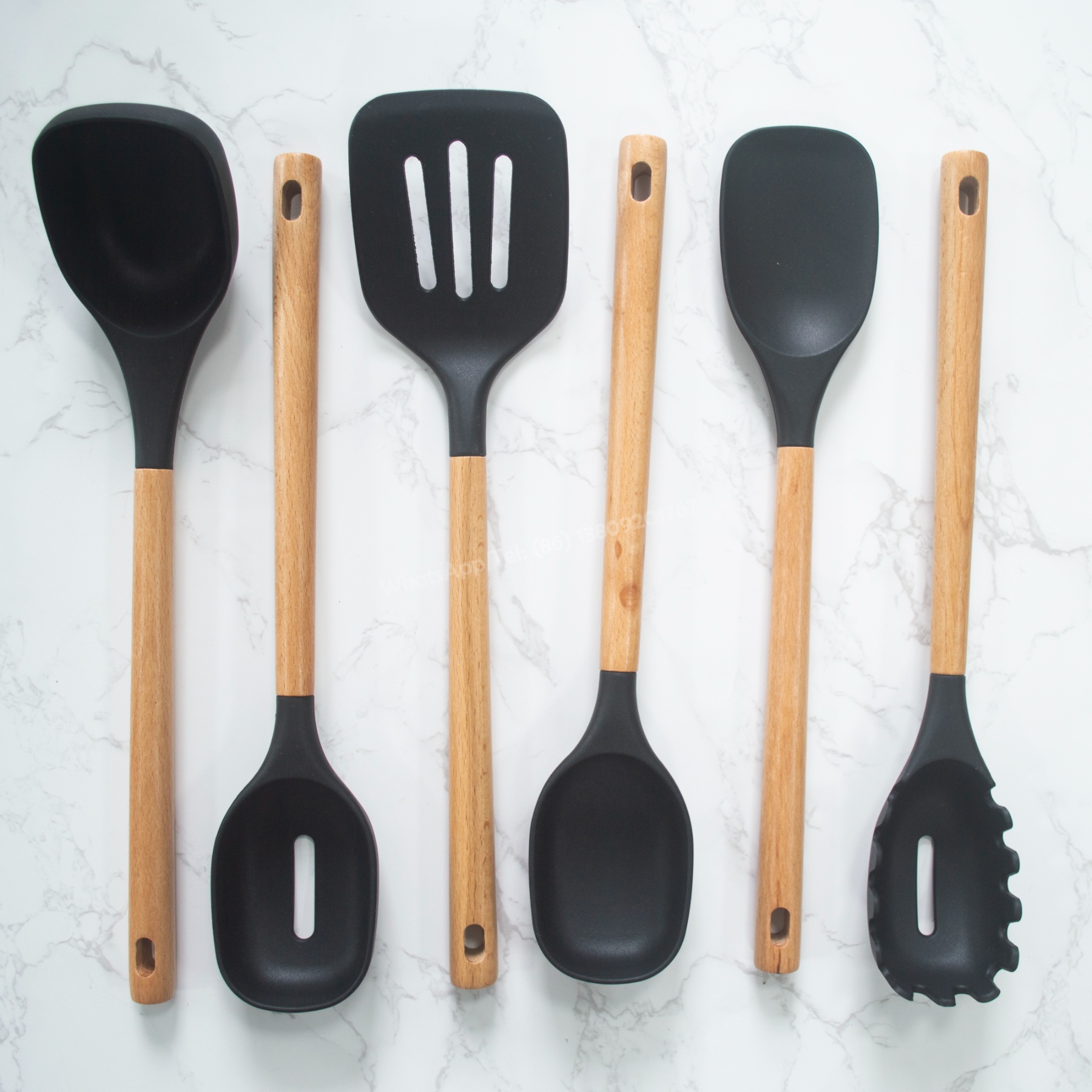
When embarking on the culinary journey with nonstick cookware, selecting the appropriate utensils is paramount to preserving its integrity and maximizing its performance. While metal utensils may seem like a natural choice, their abrasive nature can scratch and damage the delicate nonstick surface, compromising its effectiveness.
Instead, opt for utensils crafted from heat-resistant materials such as silicone, nylon, or wood. These materials are gentle on the nonstick coating, preventing scratches and ensuring its longevity. Silicone utensils, in particular, are highly versatile, withstanding high temperatures and offering a non-slip grip for precise handling.
When choosing utensils for nonstick cookware, consider their shape and design. Rounded edges and smooth surfaces minimize the risk of scratching the coating. Avoid utensils with sharp edges or pointed tips, as these can easily puncture or tear the nonstick surface.
Furthermore, the size of the utensils should be appropriate for the cookware. Oversized utensils can crowd the pan, making it difficult to maneuver and potentially causing damage to the nonstick coating. Conversely, utensils that are too small may not provide adequate reach or leverage for effective cooking.
In addition to the material and design of the utensils, their functionality is also important. Choose utensils that are specifically designed for nonstick cookware, as they often feature specialized features such as slotted spoons for draining liquids or spatulas with beveled edges for easy flipping.
By carefully selecting utensils that are compatible with nonstick cookware, you can extend its lifespan and maintain its optimal performance. Remember to avoid metal utensils, opt for heat-resistant materials, choose utensils with rounded edges and smooth surfaces, consider their size and functionality, and invest in utensils specifically designed for nonstick cookware. With the right utensils, you can enjoy the benefits of nonstick cooking without compromising the integrity of your cookware.
The Best Spatulas for Nonstick Cookware: Avoiding Scratches and Damage
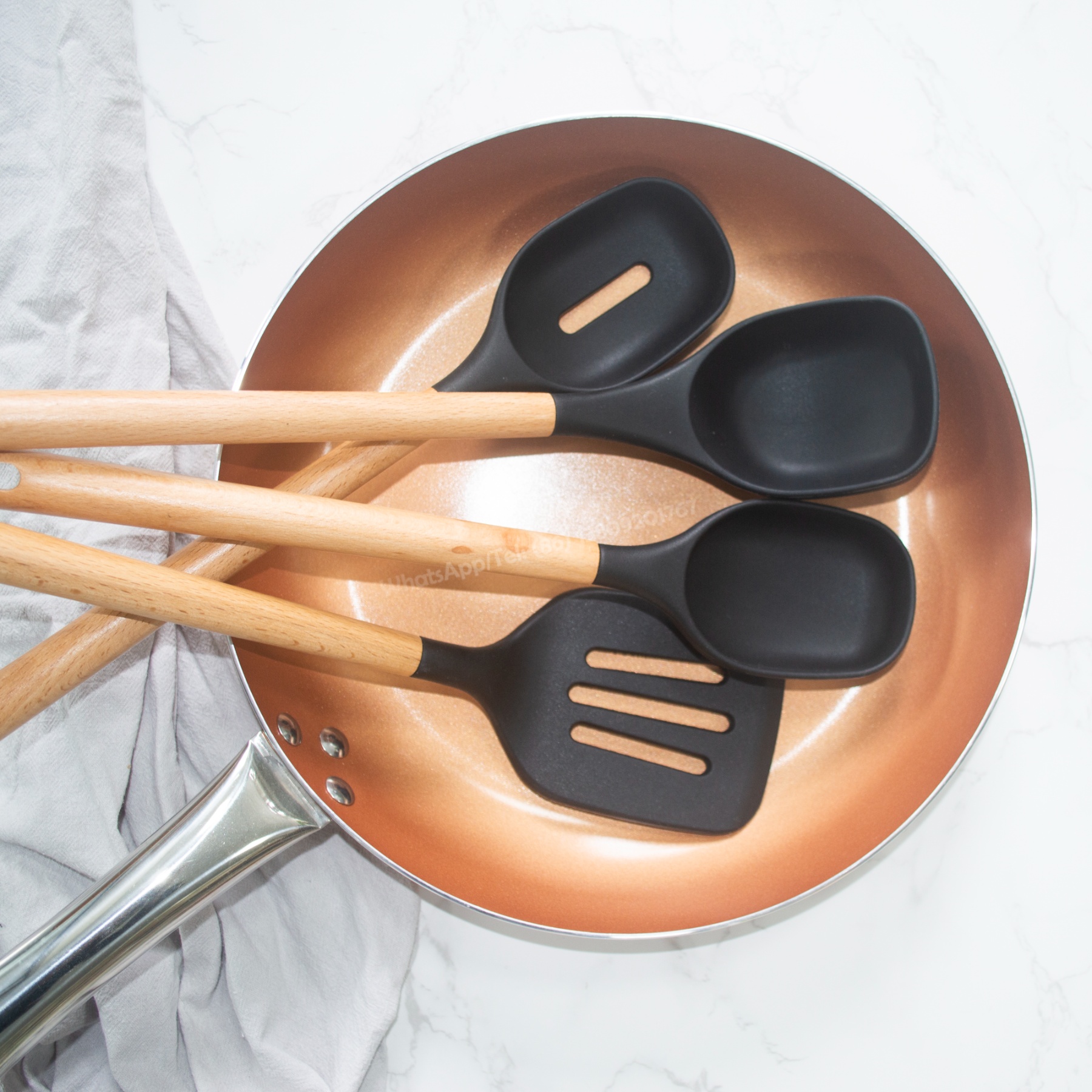
When it comes to preserving the longevity and pristine condition of your nonstick cookware, selecting the appropriate cooking utensils is paramount. While metal utensils may be tempting due to their durability, they can inflict irreparable damage upon the delicate surface of nonstick pans. Therefore, it is imperative to opt for utensils specifically designed to safeguard the integrity of your cookware.
Nylon spatulas emerge as the ideal choice for nonstick cookware, offering a combination of flexibility and heat resistance. Their soft, non-abrasive material gently glides across the surface, preventing scratches and ensuring the even distribution of food. Additionally, nylon spatulas are heat-resistant up to 400 degrees Fahrenheit, making them suitable for a wide range of cooking applications.
Silicone spatulas provide another excellent option for nonstick cookware. Their heat resistance extends even further, reaching up to 600 degrees Fahrenheit. Silicone’s inherent flexibility allows it to conform to the contours of pans, ensuring thorough mixing and scraping. Moreover, silicone spatulas are dishwasher-safe, simplifying cleanup and maintaining hygiene.
Wooden spatulas, while not as heat-resistant as nylon or silicone, offer a natural and eco-friendly alternative. Their gentle touch is ideal for delicate foods, such as fish or eggs, and they impart a rustic charm to the cooking experience. However, it is important to note that wooden spatulas should be hand-washed to preserve their integrity.
When selecting spatulas for nonstick cookware, consider the size and shape that best suits your cooking needs. Larger spatulas are ideal for flipping pancakes or omelets, while smaller spatulas are more adept at handling delicate tasks, such as stirring sauces or scraping batter. Additionally, spatulas with angled heads provide greater control and precision when working with food.
In conclusion, preserving the longevity and performance of your nonstick cookware requires the judicious selection of cooking utensils. Nylon, silicone, and wooden spatulas offer a range of options that effectively protect the delicate surface of nonstick pans while ensuring optimal cooking results. By investing in the right utensils, you can enjoy the benefits of nonstick cookware for years to come.
Essential Utensils for Nonstick Pans: Protecting Your Investment
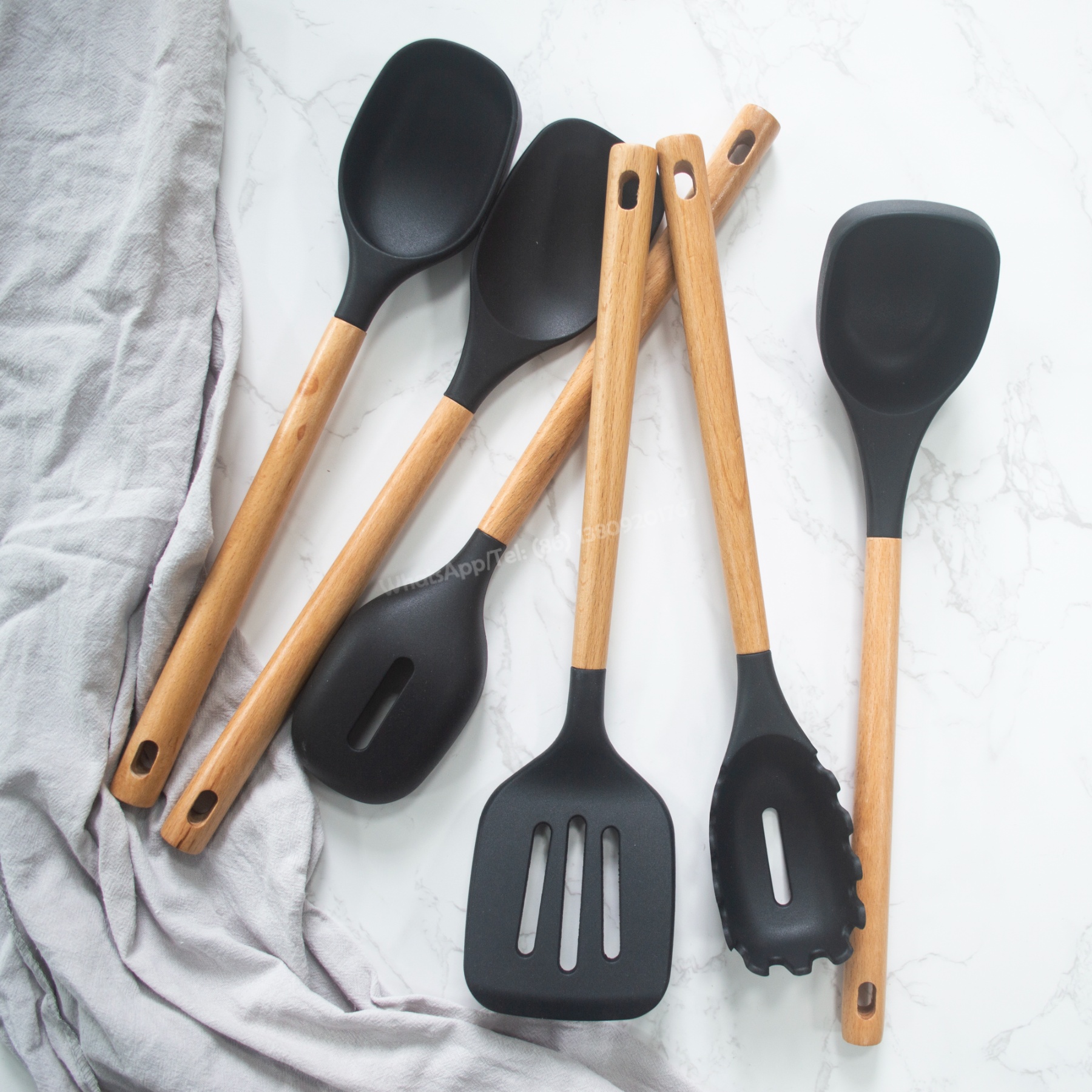
Nonstick cookware is a culinary marvel, offering effortless cooking and easy cleanup. However, to preserve its delicate surface and extend its lifespan, it’s crucial to use the right utensils. Here’s a comprehensive guide to the best cooking utensils for nonstick cookware:
Silicone:
Silicone utensils are the ideal choice for nonstick pans. Their soft, flexible nature prevents scratching or damaging the delicate coating. They are heat-resistant, making them suitable for high-temperature cooking. Additionally, silicone utensils are non-porous, ensuring they won’t absorb food odors or flavors.
Nylon:
Nylon utensils are another excellent option for nonstick cookware. They are slightly firmer than silicone but still gentle enough to avoid scratching. Nylon utensils are heat-resistant and can withstand temperatures up to 400°F (204°C). They are also dishwasher-safe for easy cleaning.
Wood:
Wooden utensils are a classic choice for cooking, and they can be used with nonstick cookware as well. However, it’s important to choose wooden utensils that are smooth and free of splinters. Avoid using wooden utensils with sharp edges or rough surfaces, as these can damage the nonstick coating.
Avoid Metal Utensils:
Metal utensils, such as metal spoons, forks, and spatulas, should never be used with nonstick cookware. Metal is harder than the nonstick coating and can easily scratch or damage it. This can compromise the pan’s performance and shorten its lifespan.
Other Considerations:
In addition to the material of the utensils, there are other factors to consider when choosing utensils for nonstick cookware:
Shape: Choose utensils with rounded edges and smooth surfaces to avoid snagging or scratching the nonstick coating.
Size: Select utensils that are appropriately sized for the pan you are using. Oversized utensils can be difficult to maneuver and may damage the pan.
Heat Resistance: Ensure that the utensils you choose are heat-resistant to withstand the temperatures used in cooking.
By following these guidelines, you can protect your nonstick cookware and enjoy its benefits for years to come. Remember, the right utensils are essential for preserving the delicate surface of nonstick pans and ensuring their optimal performance.
The Ultimate Guide to Nonstick Cookware Utensils: Choosing the Right Tools for the Job
When it comes to nonstick cookware, choosing the right utensils is crucial to preserve the integrity of the delicate surface and ensure optimal cooking performance. While metal utensils may seem like a natural choice due to their durability, they can scratch and damage the nonstick coating, rendering it ineffective. Therefore, it is essential to opt for utensils specifically designed for nonstick cookware.
Silicone utensils are an excellent option as they are heat-resistant, non-abrasive, and flexible, making them gentle on the nonstick surface. They are ideal for stirring, mixing, and scraping without causing any damage. Wooden utensils are another suitable choice, as they are also non-abrasive and heat-resistant. However, it is important to note that wooden utensils may absorb moisture and bacteria over time, so they should be properly cleaned and dried after each use.
Nylon utensils are another popular option for nonstick cookware. They are heat-resistant, non-abrasive, and durable, making them suitable for a wide range of cooking tasks. However, it is important to avoid using nylon utensils with sharp edges, as these can scratch the nonstick surface.
When choosing utensils for nonstick cookware, it is also important to consider the shape and size. Utensils with rounded edges and smooth surfaces are less likely to damage the nonstick coating. Additionally, utensils that are too large or too small can be difficult to use and may not be suitable for all cooking tasks.
In addition to the materials and design of the utensils, it is also important to consider their functionality. For example, a spatula with a thin, flexible edge is ideal for flipping delicate foods without breaking them, while a slotted spoon is perfect for draining liquids from cooked dishes.
By choosing the right utensils for nonstick cookware, you can extend the life of your cookware and ensure that your cooking experience is both enjoyable and effective. Remember to opt for non-abrasive materials, rounded edges, and smooth surfaces to protect the delicate nonstick coating. With the right utensils, you can create delicious meals while preserving the integrity of your nonstick cookware.