Application of PBT Materials in Kitchenware Manufacturing

Write by Paul Ren

With 16 years of experience in international trade and a deep understanding of kitchenware production, I aim to make every collaboration smooth, efficient, and enjoyable. If you’re looking for a reliable custom kitchenware factory in China, I’d love to connect and explore how Canzo can support your business growth.

Table of Contents

In recent years, PBT material has become increasingly popular in the kitchenware manufacturing industry, especially among European buyers who require high durability, heat resistance, and strict food-contact safety. As a professional kitchenware manufacturer and exporter in China, Canzo Kitchenware has worked with many clients who now prefer PBT PA66, PBT Nylon, and other PBT-based blends for high-performance cooking utensils. With excellent mechanical properties and reliable food-grade compliance, PBT has become a strong alternative to traditional Nylon materials.

What Is PBT Material?

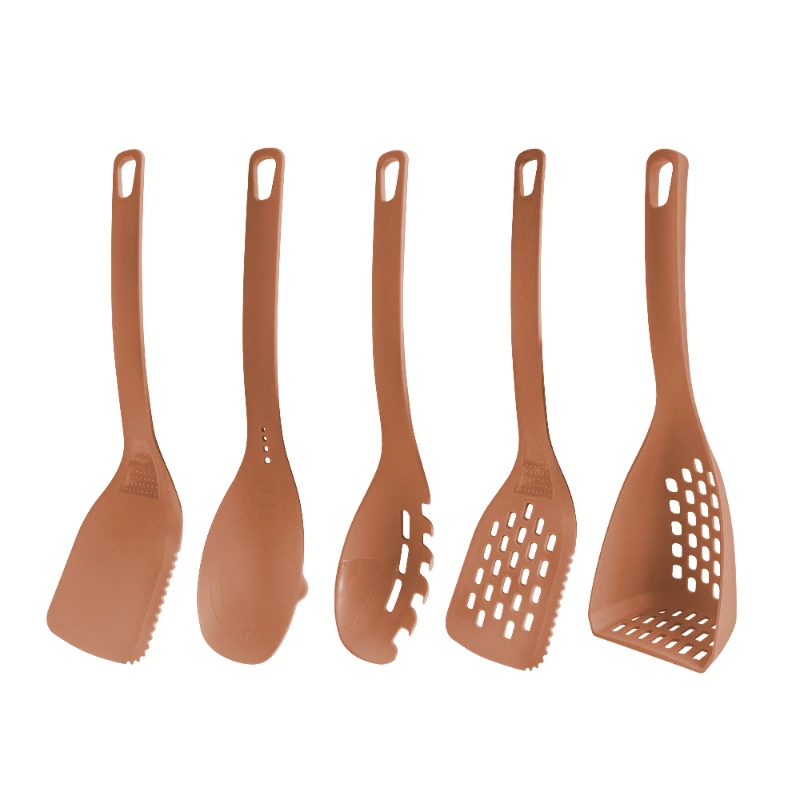
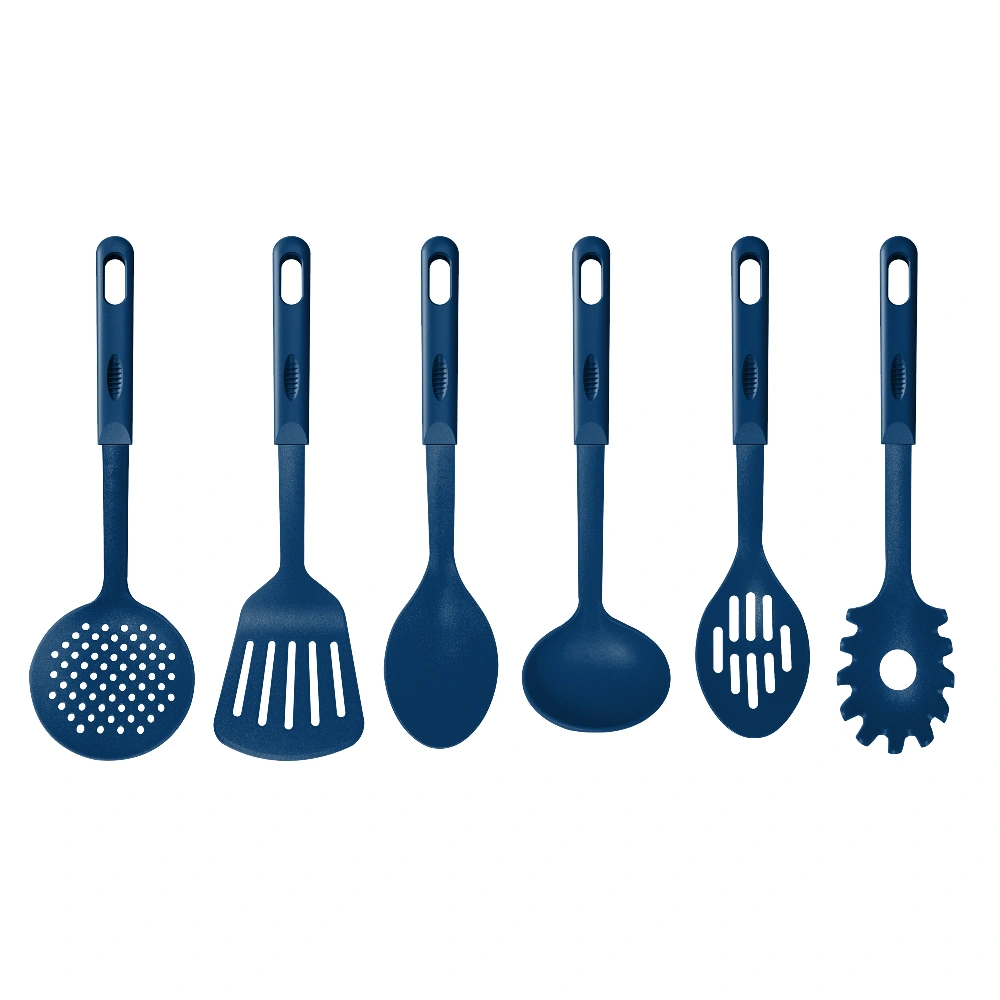
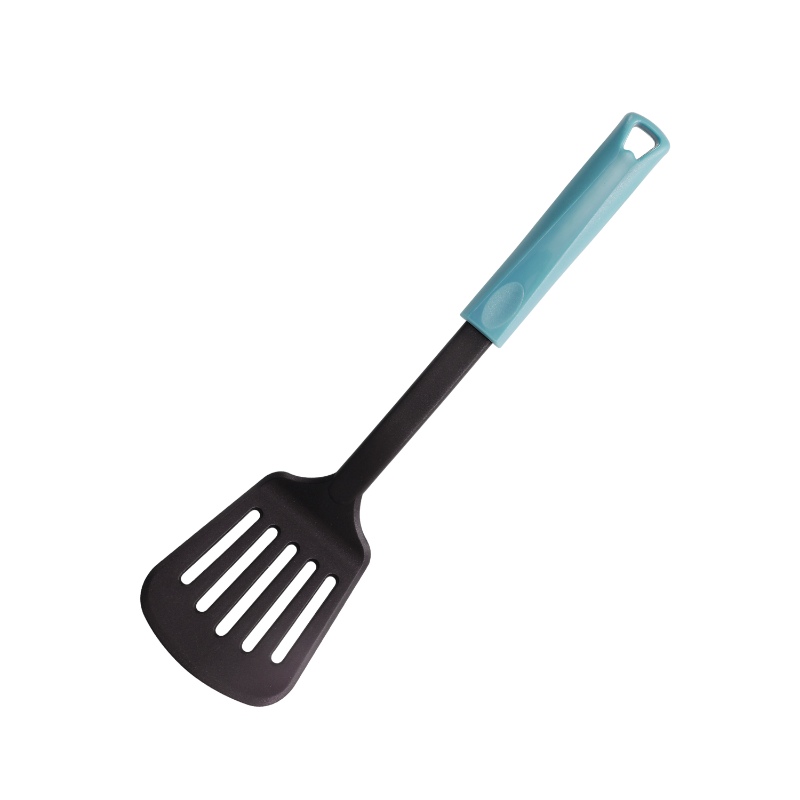
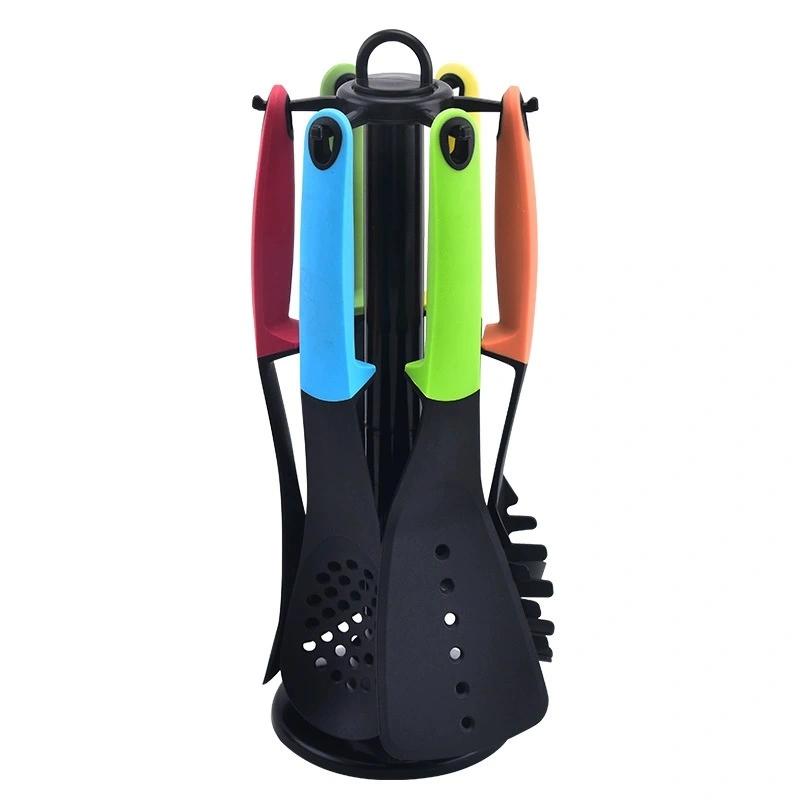
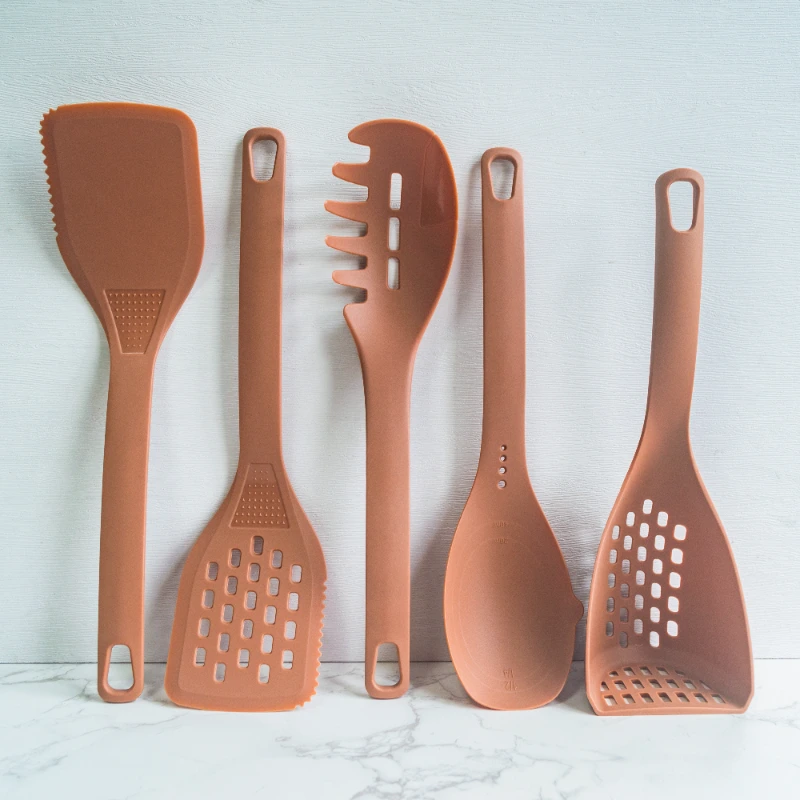
Private Label Stand Nylon Kitchen Utensils Set Of 5

PBT (Polybutylene Terephthalate) is a high-performance thermoplastic engineering resin belonging to the polyester family. It is commonly blended with PA (polyamide), resulting in materials such as PBT material PA, PBT PA66, or sometimes referred to as PBT Nylon. These blends provide improved strength, stiffness, and heat resistance, making them suitable for demanding applications such as kitchen utensils, electrical parts, and automotive components.

For kitchenware, PBT is especially valued for its stable performance at high temperatures, dimensional stability, and resistance to stains and chemicals. These characteristics make PBT an ideal candidate for manufacturing spatulas, ladles, turners, tongs, and other heat-contact cooking tools.

Advantages and Disadvantages of PBT Material

Advantages

  • High Heat Resistance
    PBT can withstand temperatures up to 200°C, making it suitable for daily cooking tasks, including sautéing, boiling, and baking applications. It is less prone to deformation compared with low-grade plastics.

  • Excellent Mechanical Strength
    Compared with standard Nylon, PBT offers stronger rigidity and better dimensional stability. PBT utensils do not bend easily under force, which enhances product durability.

  • Low Water Absorption
    PBT absorbs significantly less moisture than PA66 or PA6. This means PBT utensils maintain consistent shape, weight, and performance even in humid conditions or after long-term dishwashing.

  • Smooth Surface & Stain Resistance
    The natural surface characteristics of PBT resist staining, discoloration, and odor absorption, keeping utensils looking clean and new for a longer time.

  • Chemical Resistance
    PBT resists oils, cleaning agents, acidic foods, and general household chemicals better than many other plastics.

Disadvantages

  1. Lower Flexibility Than Nylon
    While strong and rigid, PBT is slightly less flexible than traditional Nylon, which may matter for utensils that require extra bendability.

  2. Slightly Higher Material Cost
    PBT is generally more expensive than PA6 or PA66. However, many brands and importers find the cost justified by PBT’s performance advantages and lower deformation risk.

Is PBT Safe for Food Contact?

Yes. PBT is widely recognized as safe for food-contact applications when produced using food-grade raw materials. It is commonly used in utensils, kitchen gadgets, small appliance components, water heater parts, and coffee machine parts.
Food-grade PBT does not release harmful substances under normal cooking temperatures, making it suitable for spoons, spatulas, and other cookware that contacts hot foods.

Canzo Kitchenware sources certified food-grade PBT from reputable suppliers and can provide food-contact declarations upon request.

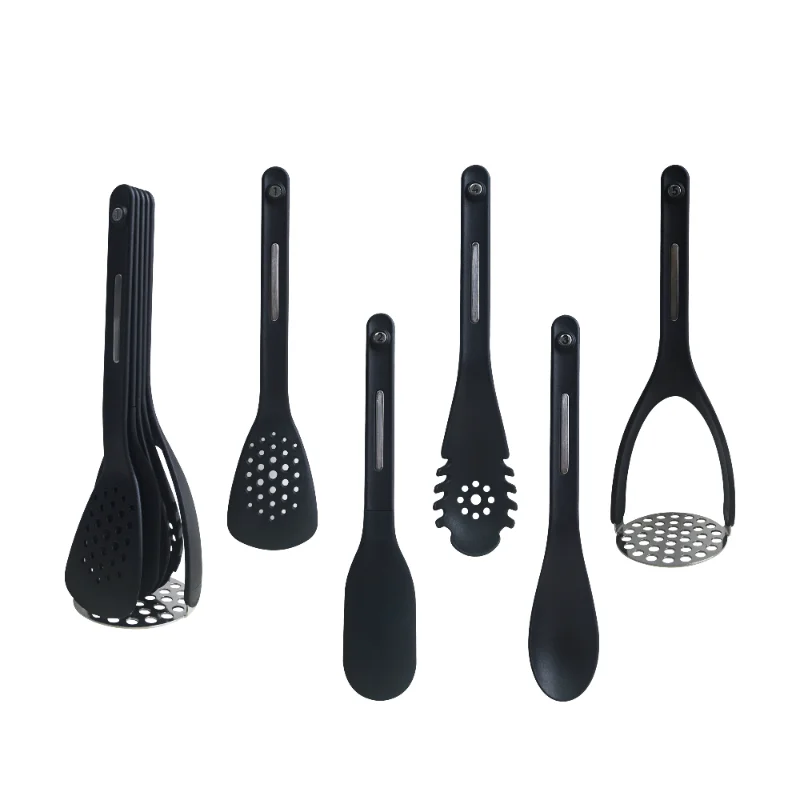
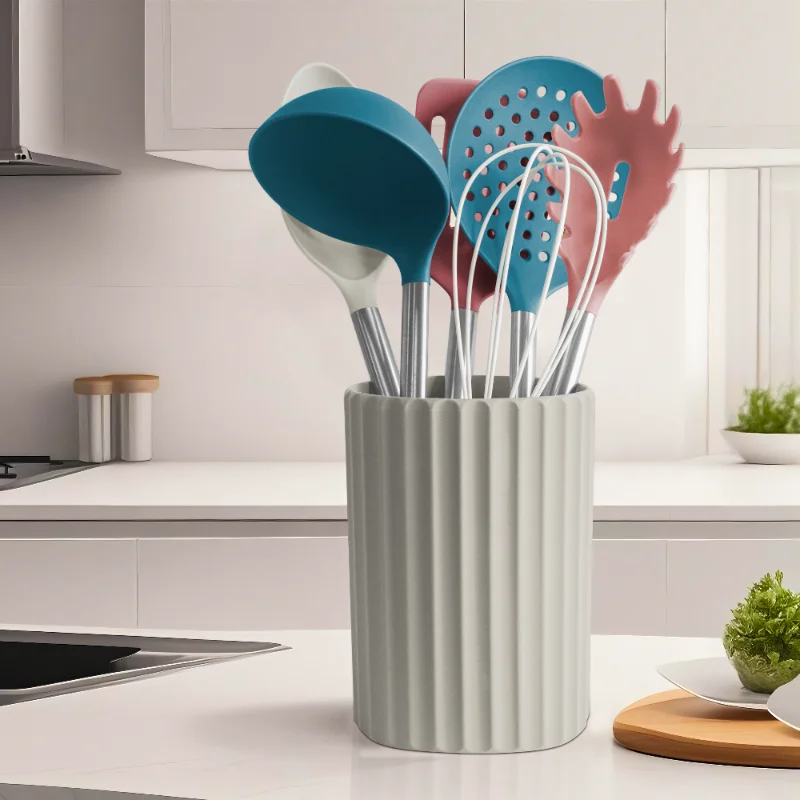
Smart Space Nesting Magnetic Kitchen Utensil Set Wholesale 1

Is PBT Material LFGB Approved?

Food-grade PBT material can pass LFGB testing, which is the strictest food-safety standard required by Germany and many European countries.
Recently, many of our European customers have shifted from Nylon to PBT specifically because PBT performs very well in LFGB migration tests.

At Canzo Kitchenware, we can:

  • Provide PBT kitchen utensil samples for testing

  • Coordinate testing with SGS China

  • Offer full LFGB product testing reports

  • Help clients reduce their local testing expenses

This makes PBT an excellent choice for brands selling in Germany, France, Italy, the Netherlands, and other EU markets.

Comparison: PBT Material vs. Nylon (PA66 / PA6)

PropertyPBT MaterialNylon (PA66 / PA6)
Heat ResistanceExcellent (up to 200°C)Good, but may deform under long heat
Water AbsorptionVery lowHigh moisture absorption
RigidityStrong and stableMore flexible, less rigid
Dimensional StabilityExcellentChanges with humidity
CostSlightly higherModerate
LFGB Test PerformanceMore stableNylon may fail if additives are not food-grade


  • PBT is more stable, rigid, and LFGB-friendly

  • Nylon is softer, cheaper, but more moisture-sensitive

For brands seeking high-end, heat-resistant, and premium-quality kitchen utensils, PBT is becoming the preferred material.

Conclusion

Due to its superior heat resistance, durability, low moisture absorption, and excellent LFGB compliance, PBT material has become a reliable choice for modern kitchenware manufacturing. At Canzo Kitchenware, we help global brands develop premium PBT kitchen utensils material solutions, offer testing support, and ensure compliance with European food-contact regulations.

Whether you need custom-color spatulas, durable turners, high-heat cooking spoons, or fully customized PBT utensil sets, we can provide OEM/ODM services and complete testing documentation to support your international market requirements.

FAQ: for custom PBT kitchen utensils products

1. What is PBT material used for in kitchenware?

PBT material is used to manufacture high-heat cooking utensils such as spatulas, ladles, turners, tongs, and appliance parts. It offers excellent rigidity, low water absorption, and stable performance during cooking.

2. Is PBT safe for food-contact applications?

Yes. Food-grade PBT is approved for direct food contact and does not release harmful substances during normal cooking temperatures. It is widely used in premium utensils and small kitchen appliances.

3. Can PBT kitchen utensils pass LFGB testing?

PBT performs very well in LFGB migration tests. Canzo Kitchenware can provide sample utensils and coordinate LFGB testing with SGS China, offering official reports to reduce customers’ local testing cost.

4. What is the difference between PBT and Nylon (PA6/PA66)?

PBT is more dimensionally stable, absorbs less moisture, and maintains shape better under heat. Nylon is more flexible but may deform or absorb water over time. For European markets, PBT is often preferred due to stronger LFGB test performance.

5. Can I customize PBT kitchen utensils with my brand?

Yes. Canzo Kitchenware offers OEM/ODM services including custom colors, shapes, finishes, logo engraving, packaging design, and full set product development using PBT PA66 or PBT Nylon blends.

6. Do you offer testing samples?

Absolutely. We provide food-grade PBT kitchen utensil samples for customers to test quality, functionality, and safety standards before mass production.

Contact Info

Submitting Your Inquiry