Table of Contents
When it comes to choosing the right tools for the kitchen, especially for wholesale and commercial buyers, the material of your utensils matters just as much as the design. Among the many options available, nylon kitchen utensils are one of the most popular due to their affordability, durability, and compatibility with nonstick cookware. But a key question remains: Are nylon cooking utensils safe?
As a professional manufacturer of wholesale nylon kitchen utensils, we at Canzo Kitchenware often receive questions from international buyers about the safety, performance, and differences between nylon vs silicone cooking utensils. This blog aims to provide a clear and balanced view so you can make informed sourcing decisions.
Are Nylon Kitchen Utensils Safe?
In general, nylon kitchen utensils are safe for everyday cooking, provided they are used within recommended temperature limits. Nylon is a synthetic polymer known for its strength and flexibility. It is commonly used in utensils such as spatulas, ladles, and slotted spoons due to its ability to withstand regular kitchen use.
However, like all materials, nylon has limitations. One important consideration is heat resistance:
Maximum heat resistance: Typically up to 400°F (204°C)
At temperatures above this point, nylon may begin to soften or melt
This can lead to degradation of the utensil or release of small amounts of harmful substances
It’s important to note: Regardless of whether nylon utensils are made in China or kitchen utensils made in USA, all nylon materials can release trace amounts of harmful chemicals if exposed to excessively high temperatures. This is not unique to Chinese-made products and applies industry-wide.
Nylon vs Silicone Cooking Utensils
When comparing nylon cooking utensils vs silicone utensils, here are key factors to consider:
| Feature | Nylon Utensils | Silicone Utensils |
|---|---|---|
| Heat Resistance | Up to 400°F (204°C) | Up to 500–600°F (260–315°C) learn more about platinum silicone |
| Rigidity | More rigid, better for flipping or scraping | Softer, more flexible |
| Cost | More affordable | Slightly more expensive |
| Dishwasher Safe | Yes | Yes |
| Nonstick Safe | Yes | Yes |
| Chemical Safety (at high temps) | Can release minimal fumes at >400°F | More stable at high temperatures |
So, is nylon safe for cooking? Yes — as long as it is used below 400°F, nylon is considered food-safe and practical, especially for home and light commercial kitchens.
Is Nylon Spatula Toxic?
We often see searches like “Is nylon spatula toxic?” — and this concern is understandable.
Here’s the truth:
Under normal cooking conditions, nylon utensils do not pose a toxicity risk.
Toxicity only becomes a concern if the utensil is overheated or shows signs of cracking, melting, or breakdown.
To stay safe: Avoid leaving nylon tools in hot pans and replace any utensils that show wear or brittleness.
When Should You Choose Nylon Over Silicone?
While silicone has a higher heat resistance, nylon cooking utensils are preferred in situations where firmer structure is needed — such as flipping pancakes, stir-frying, or scraping browned bits from pans. Nylon utensils are also thinner than silicone, allowing better access under delicate foods like fish or eggs.
This makes nylon vs silicone cooking utensils a matter of use-case, not quality.
Wholesale Nylon Kitchen Utensils from Canzo Kitchenware
As a leading kitchen utensil factory in China, Canzo Kitchenware offers high-quality wholesale nylon cooking utensils that are:
BPA-free and food-safe
Heat-resistant up to 400°F (204°C)
Dishwasher-safe and nonstick-friendly
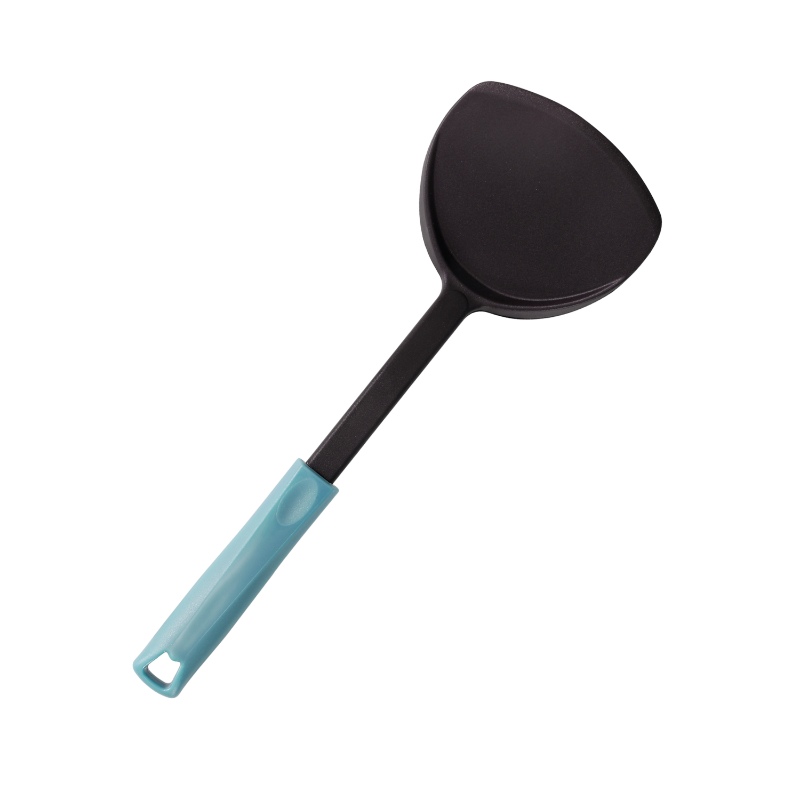
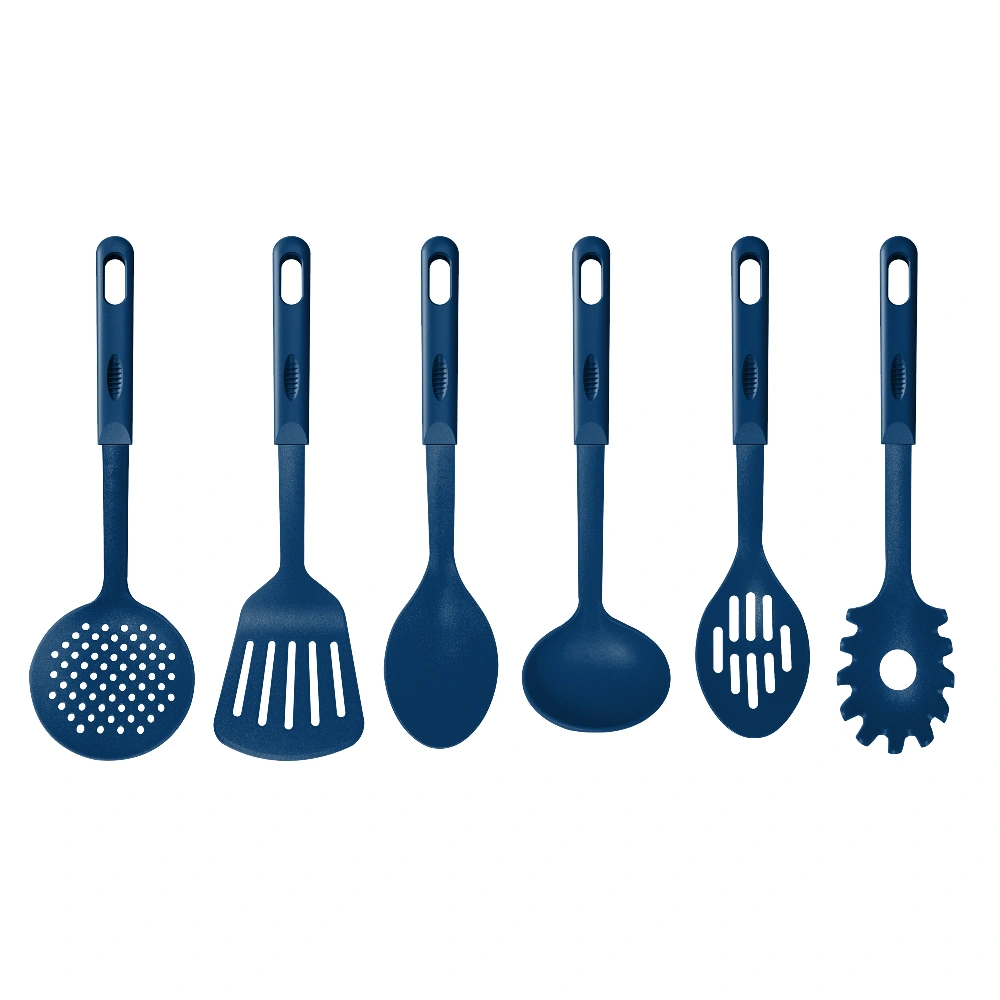
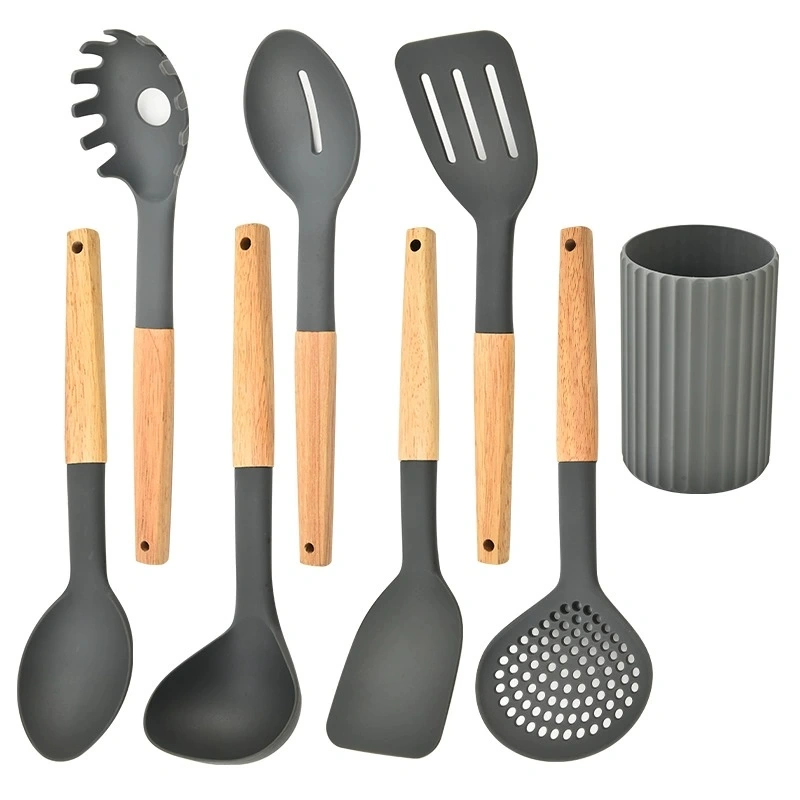
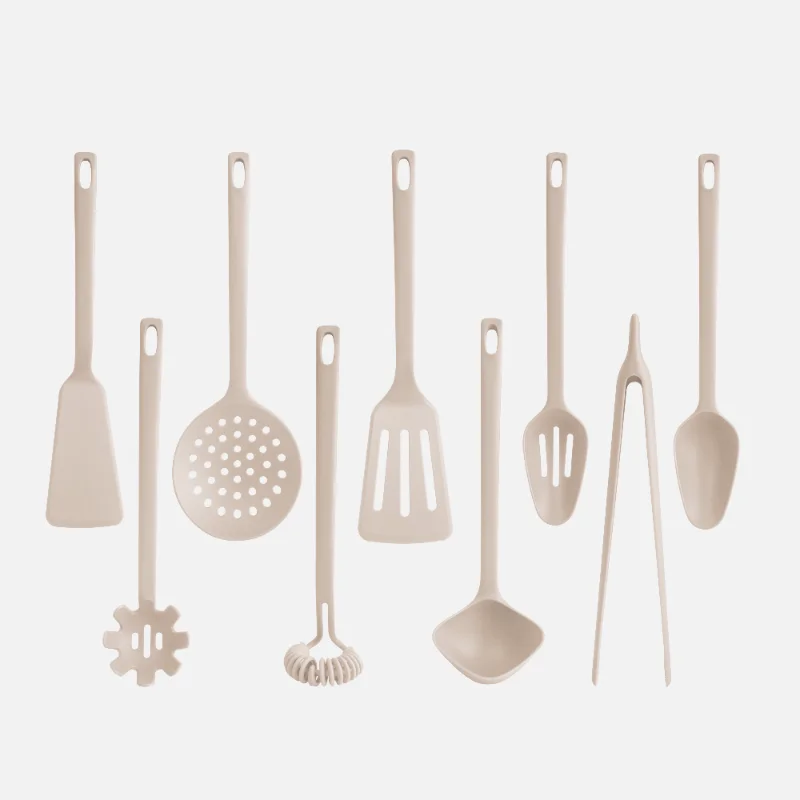
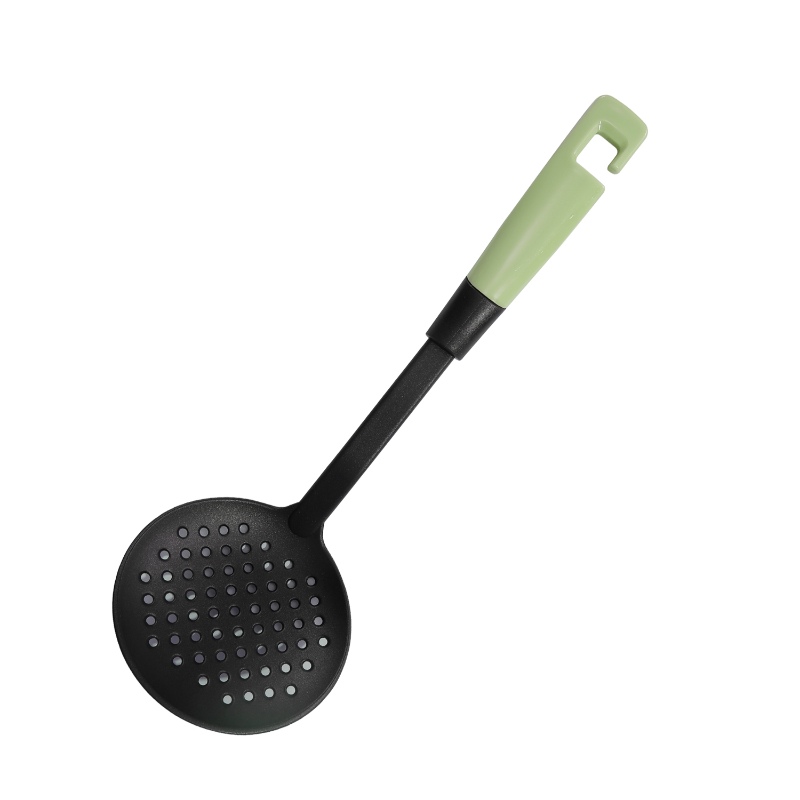
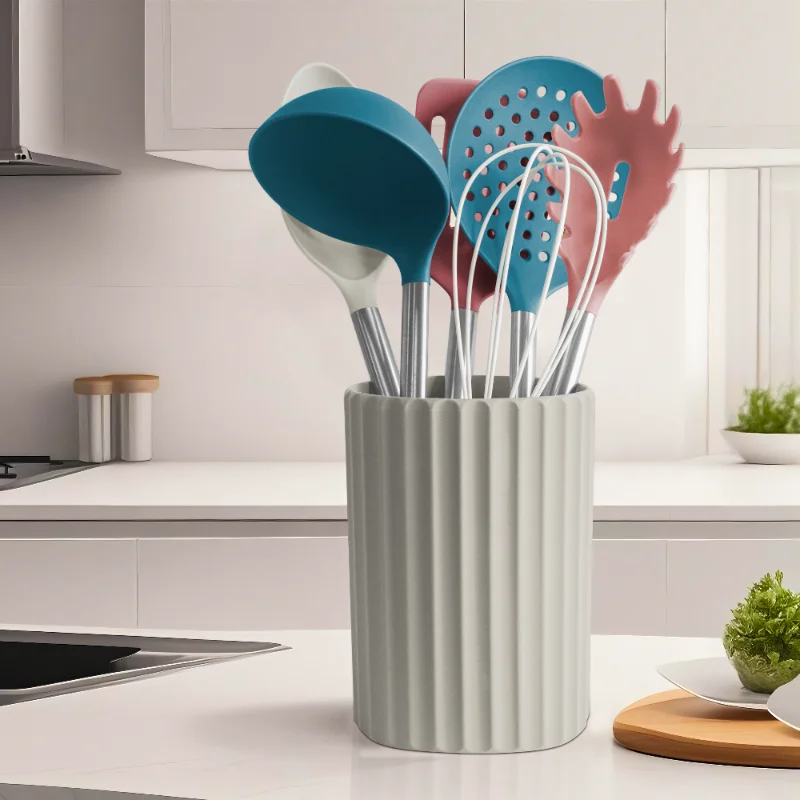
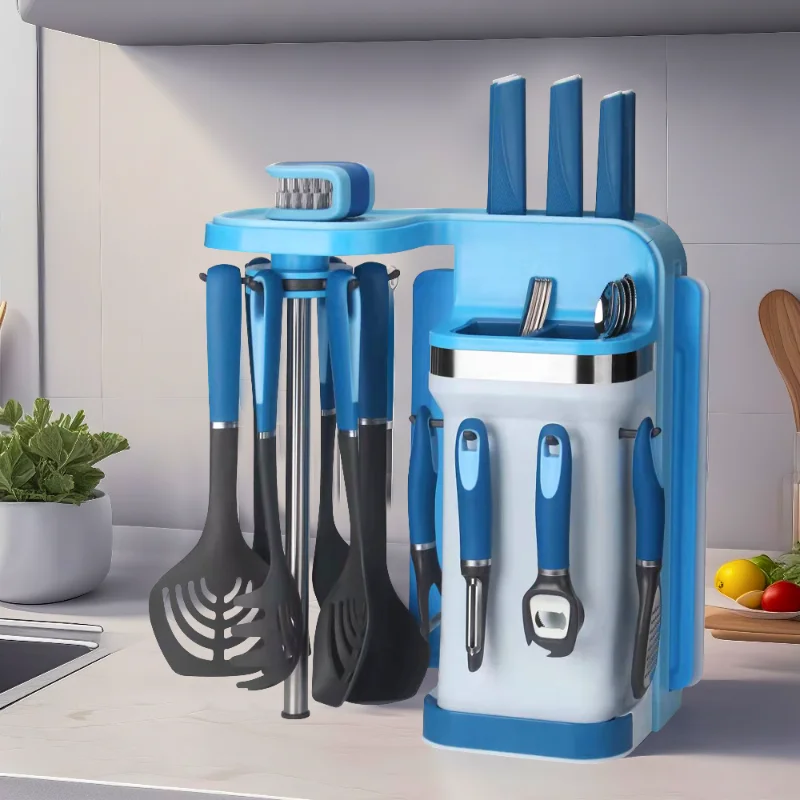
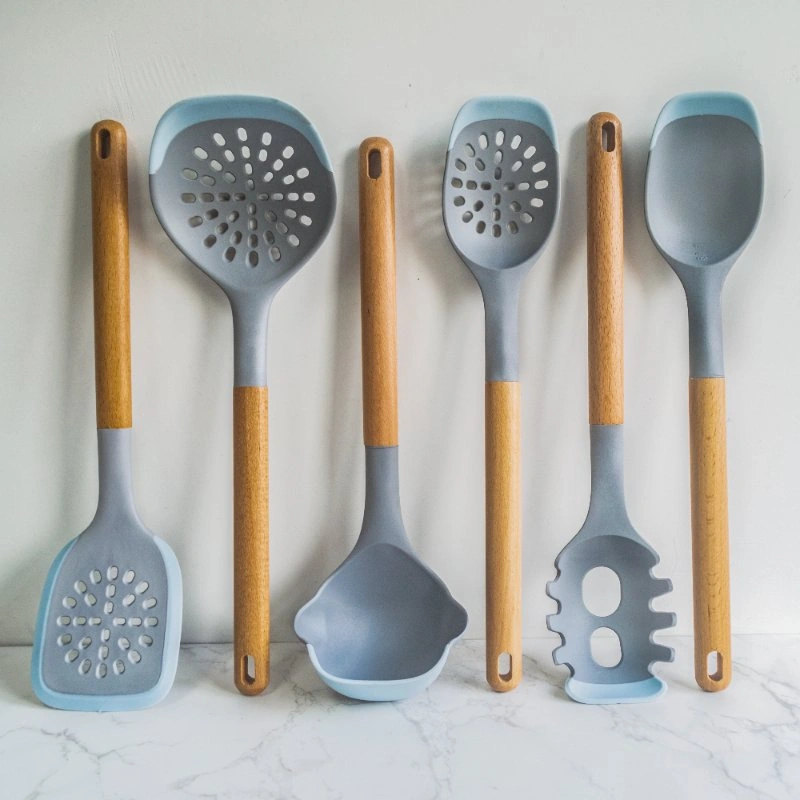
Available in a variety of designs: spatulas, ladles, turners, slotted spoons, and more
Customizable with OEM branding, colors, packaging, and bulk pricing
Whether you’re sourcing for supermarkets, Amazon FBA, restaurant supply chains, or kitchenware distributors, we offer flexible options with low MOQ and fast lead times.
Conclusion: Are Nylon Cooking Utensils Worth It?
Absolutely — nylon kitchen utensils are safe, affordable, and ideal for nonstick cookware when used correctly. While they should not be used for high-heat cooking (above 400°F), they are a fantastic addition to any kitchen — especially in bulk or commercial use.
At Canzo Kitchenware, we’re committed to manufacturing nylon kitchen tools that meet global standards and provide excellent value for wholesale buyers.
Ready to Wholesale Nylon Utensils?
Contact us today for a quote, product catalog, and free consultation on customization options. We’re ready to support your sourcing needs with high-quality nylon kitchenware at competitive factory-direct pricing.
👉 Email: [email protected]
👉 WhatsApp: +86-152-3800-4186
👉 Website: www.canzokitchenware.com
FAQ About Nylon Kitchen Utensils Safety
Q1: Are nylon kitchen utensils safe for cooking?
Yes, nylon utensils are safe when used at temperatures below 400°F (204°C). They are food-grade, BPA-free, and ideal for use with nonstick cookware.
Q2: Is nylon toxic when heated?
Nylon can release trace amounts of potentially harmful substances if exposed to temperatures above its melting point. To stay safe, do not leave nylon utensils resting in hot pans or use them in high-heat applications like broiling or grilling.
Q3: Nylon vs silicone cooking utensils — which is better?
Silicone utensils have a higher heat resistance (up to 600°F), making them more suitable for high-heat cooking. Nylon utensils, however, are more rigid and better for flipping and scraping. Each has its advantages depending on your cooking needs.
Q4: Do nylon spatulas melt easily?
Only if exposed to temperatures above 400°F. Avoid placing nylon tools near open flames or inside ovens, and always remove them from the heat when not in use.
Q5: Can I use nylon utensils on nonstick cookware?
Yes! Nylon utensils are gentle on nonstick coatings and help prevent scratches. They are a preferred option for Teflon or ceramic-coated pans.
Q6: Are Canzo’s nylon cooking utensils BPA-free?
Yes. All of our wholesale nylon kitchen utensils are BPA-free, compliant with FDA/LFGB food safety standards, and suitable for global markets.
Q7: Do professional chefs use nylon utensils?
Yes, especially in fast-paced kitchens where cost, durability, and hygiene are important. Nylon is widely used in commercial kitchens for tasks that don’t involve extreme heat.