
Table of Contents
Silicone molds have become one of the most popular kitchen tools for baking, chocolate making, candy, ice cubes, soap, and DIY crafts. Their non-stick surface, flexibility, and heat resistance make them far easier to use than traditional metal or plastic molds.
One of the most common questions users ask is:
Are silicone molds dishwasher safe?
The short answer is yes—food-grade silicone molds are completely dishwasher safe. However, proper cleaning and maintenance can significantly extend their lifespan and keep them performing like new.
In this guide, we’ll explain how to safely clean silicone molds, when to use the dishwasher, and the best practices for maintaining high-quality silicone bakeware.
Are Silicone Molds Dishwasher Safe?
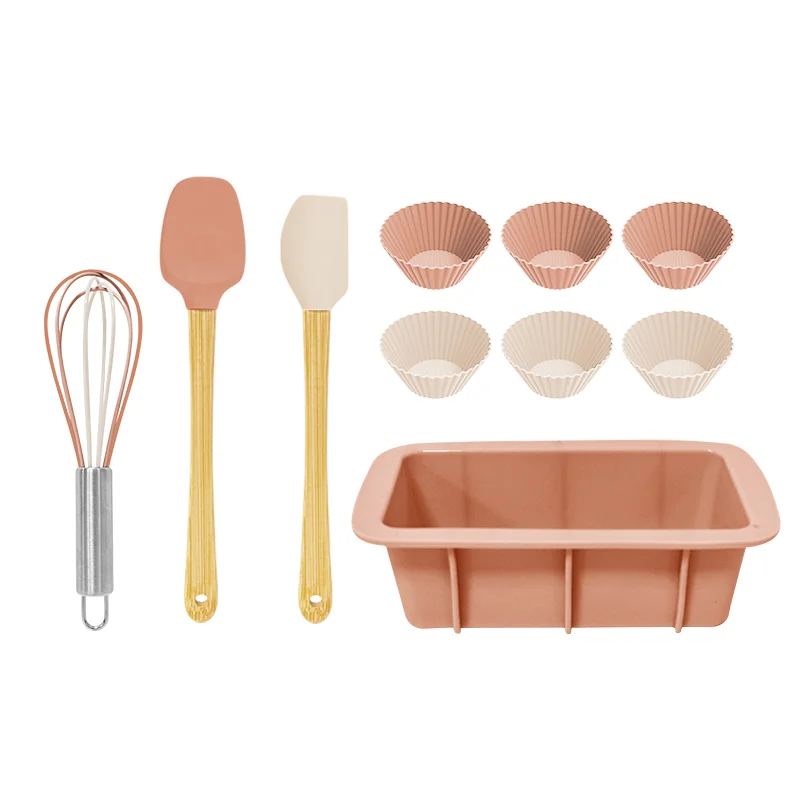
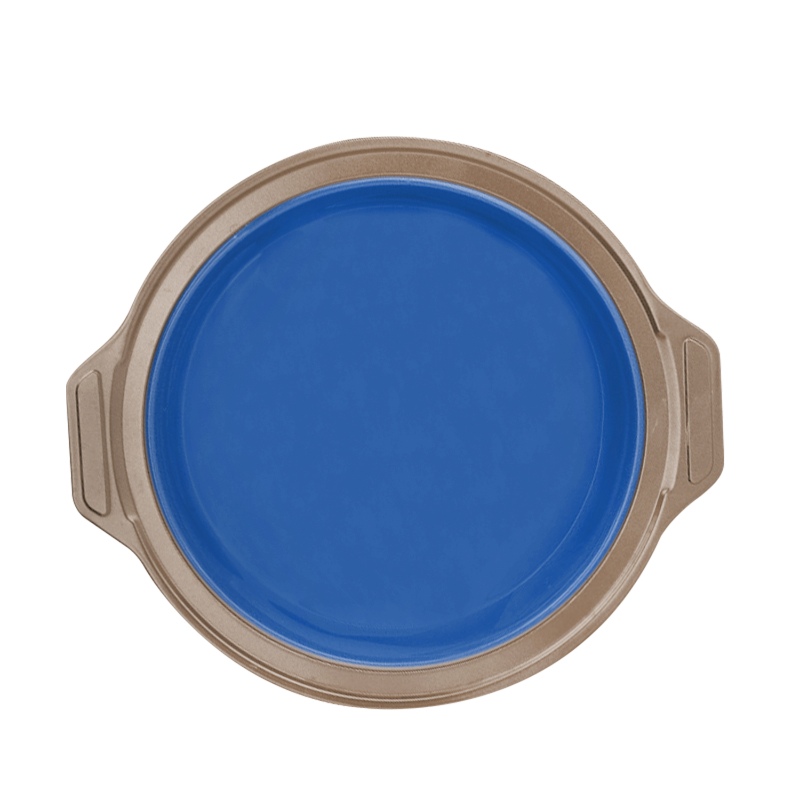
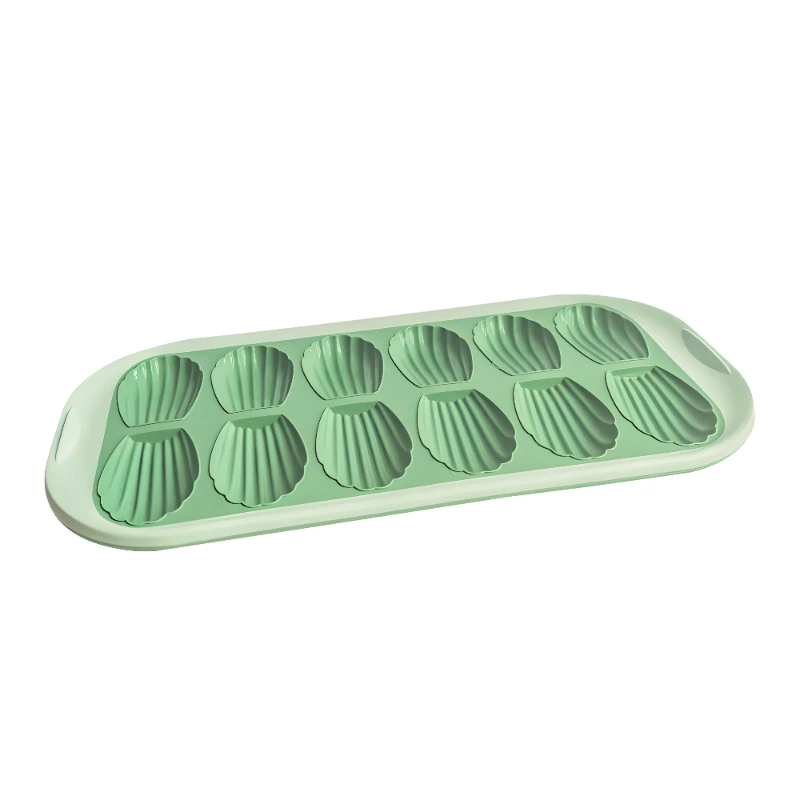
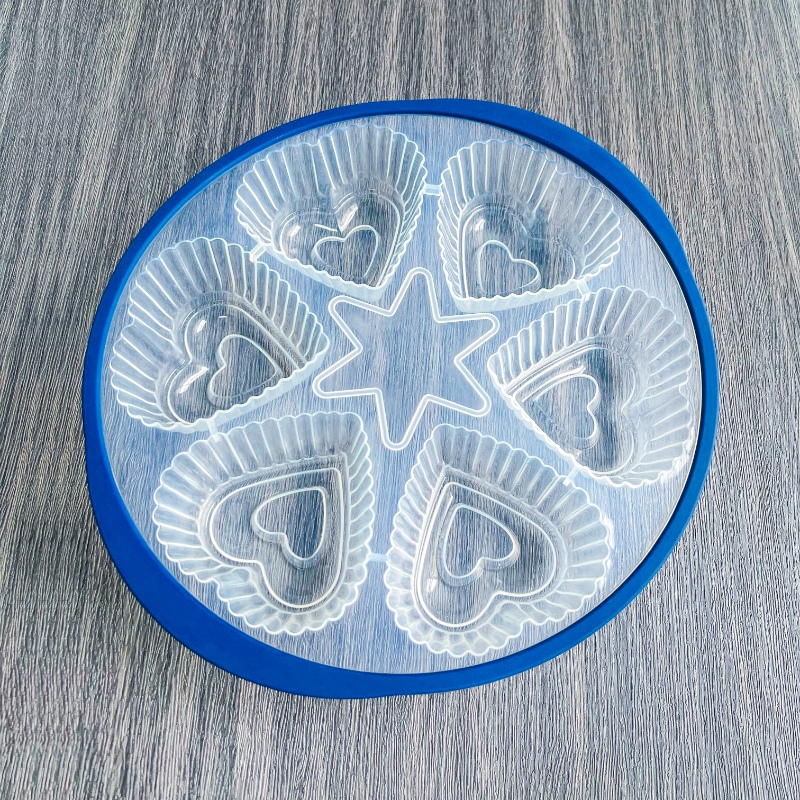
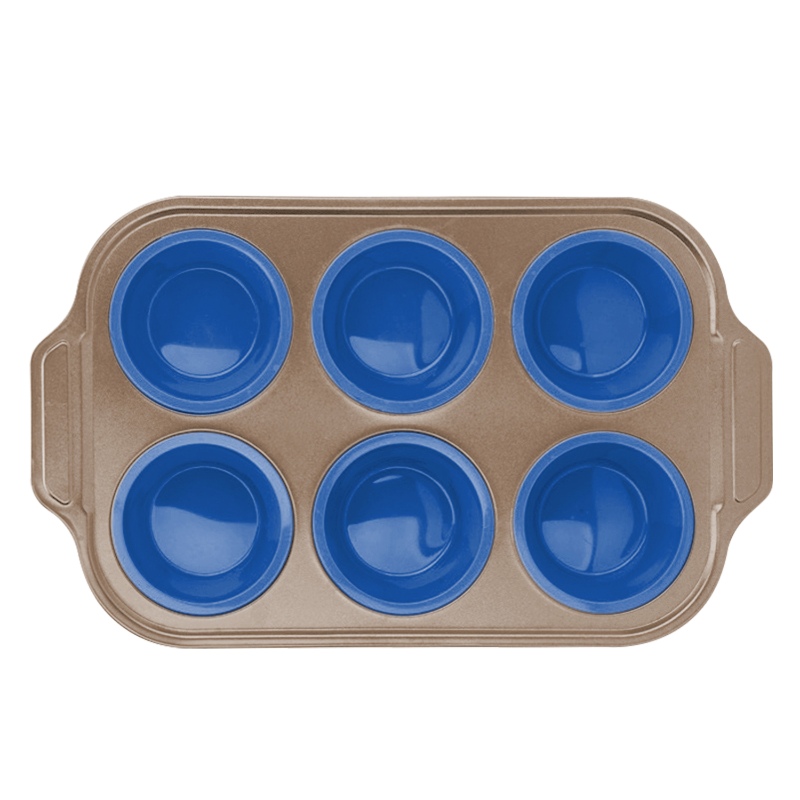
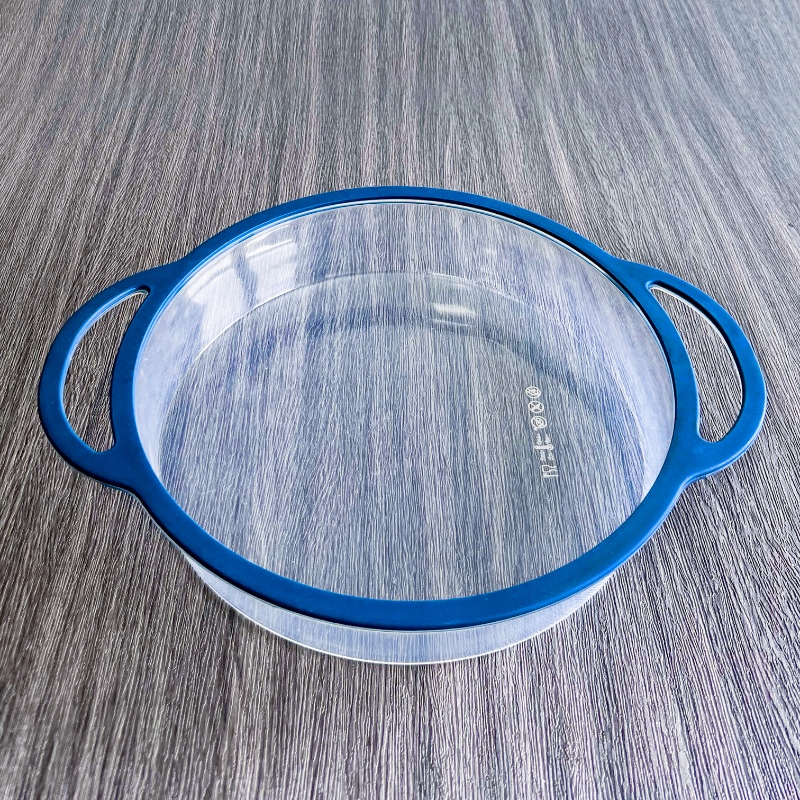
Yes.
High-quality food-grade silicone molds are designed to withstand both high baking temperatures and repeated dishwasher cycles without cracking, warping, or losing their flexibility.
Most premium silicone molds can safely tolerate temperatures between:
- -40°C to 230°C (-40°F to 446°F)
- Dishwasher safe
- Microwave safe
- Oven safe
- Freezer safe
This makes silicone one of the easiest baking materials to clean.
However, not all silicone molds are created equal. Low-quality silicone mixed with fillers may become sticky, fade, or deteriorate faster after repeated dishwasher use. That’s why choosing 100% food-grade silicone is essential.
Why Silicone Molds Are Easy to Clean
Silicone naturally has several advantages over traditional bakeware.
Non-stick Surface
Foods release easily from silicone, leaving less residue behind.
Flexible Material
Unlike rigid plastic or metal pans, silicone bends easily, making it easier to remove trapped crumbs or chocolate.
Heat Resistant
Hot water won’t damage food-grade silicone, allowing for more effective grease removal.
Non-Porous
Quality silicone does not absorb odors, flavors, or moisture, making it hygienic for repeated food contact.
How to Clean Silicone Molds in the Dishwasher
Cleaning silicone molds in the dishwasher is incredibly simple.
Step 1: Remove Excess Food
Before placing the mold in the dishwasher, rinse away:
- Cake crumbs
- Chocolate
- Batter
- Candy residue
- Frosting
This helps prevent food particles from sticking during the wash cycle.
Step 2: Place on the Top Rack
Although silicone is heat resistant, placing molds on the top rack helps maintain their shape and keeps them away from direct contact with heating elements.
Step 3: Use a Normal Wash Cycle
Standard dishwasher detergent is sufficient.
There’s no need for special cleaners or sanitizers.
Step 4: Air Dry Completely
After washing, allow molds to dry thoroughly before storing to prevent moisture buildup.
Can Silicone Molds Become Greasy After Dishwasher Washing?
Sometimes.
Many users notice that silicone bakeware develops a greasy or sticky feeling after repeated baking, especially after making:
- Brownies
- Muffins
- Cheese cakes
- Butter cakes
- Fat-rich pastries
This isn’t because the silicone is damaged.
Instead, oils can gradually build up on the silicone surface.
How to Remove Sticky Grease from Silicone Molds
If your molds still feel oily after washing, try these methods.
1. Wash with Hot Water and Dish Soap
Use warm water and a grease-cutting dish detergent.
Let the mold soak for 20–30 minutes before gently wiping with a soft sponge.
Avoid abrasive scrubbers.
2. Use Baking Soda
Baking soda is one of the safest cleaners for silicone.
Steps:
- Wet the mold.
- Sprinkle baking soda over greasy areas.
- Let it sit for 30 minutes.
- Gently scrub with a soft sponge.
- Rinse thoroughly.
This removes stubborn oil without damaging the silicone.
3. Bake the Empty Mold
Professional bakers sometimes heat the empty silicone mold in the oven at around 180°C (356°F) for 30–45 minutes.
This helps burn off residual oils.
After cooling, wash the mold with hot soapy water.
What Should You Avoid When Cleaning Silicone Molds?
To maximize the lifespan of your molds, avoid the following mistakes.
Metal Scrubbers
Steel wool and abrasive pads can scratch the silicone surface.
Always use:
- Soft sponge
- Microfiber cloth
- Soft dish brush
Sharp Knives
Never scrape baked food with knives or metal utensils.
Use silicone or plastic utensils instead.
Harsh Chemical Cleaners
Avoid bleach, industrial degreasers, or strong solvents.
Food-grade silicone only requires mild dish soap.
Open Flame
Silicone is heat resistant but should never be exposed directly to:
- Gas flames
- Broilers
- Barbecue grills
How Often Should Silicone Molds Be Cleaned?
Always clean silicone molds:
- Before first use
- After every baking session
- Before long-term storage
Cleaning immediately prevents grease from hardening inside small cavities.
Proper Storage Tips
Correct storage helps silicone molds maintain their original shape.
Store Flat
Avoid folding tightly for long periods.
Keep Away from Direct Sunlight
Long-term UV exposure may shorten the life of silicone products.
Keep Dry
Store only after completely drying.
Avoid Heavy Pressure
Don’t stack heavy cookware on top of flexible molds.
Custom Silicone Mold Manufacturer in China
If you’re looking for custom silicone molds for baking brands, kitchenware wholesalers, retailers, or private label businesses, Canzo Kitchenware offers complete OEM and ODM manufacturing services.
Our capabilities include:
- Custom silicone baking molds
- Cake molds
- Chocolate molds
- Ice cube molds
- Candy molds
- Soap molds
- Logo embossing and debossing
- Pantone color matching
- Custom packaging
- FDA & LFGB compliant food-grade silicone
- Low MOQ with fast production
With over 10 years of manufacturing experience, we help global brands develop durable, dishwasher-safe silicone kitchenware that meets international quality standards.
Frequently Asked Questions
Can silicone molds go in the dishwasher every day?
Yes. High-quality food-grade silicone molds are designed for repeated dishwasher use without losing flexibility or shape.
Why does my silicone mold still feel sticky?
Grease buildup from repeated baking can leave a thin oil film. Washing with baking soda and hot water usually removes it.
Can I use bleach to clean silicone molds?
No. Mild dish soap and baking soda are sufficient. Harsh chemicals may shorten the lifespan of the silicone.
Do silicone molds absorb odors?
Premium food-grade silicone is naturally odor resistant. If odors develop, soaking in hot water with baking soda often helps eliminate them.
How long do silicone molds last?
With proper cleaning and storage, high-quality silicone molds can withstand thousands of baking cycles and remain flexible for many years.
Conclusion
So, are silicone molds dishwasher safe? Absolutely. Quality food-grade silicone molds are designed to handle dishwasher cleaning, making them one of the easiest bakeware options to maintain.
For the best results, rinse away food residue before washing, use mild detergents, and occasionally remove grease buildup with baking soda. Combined with proper storage and careful handling, these simple practices will keep your silicone molds clean, hygienic, and ready for years of reliable use.
Whether you’re a home baker or a kitchenware brand sourcing custom products, investing in premium dishwasher-safe silicone molds ensures convenience, durability, and outstanding baking performance.