Table of Contents
If you’re wondering “Can silicone go in the microwave?” — you’re not alone. From silicone cups to molds and plates, this versatile material has become a favorite in modern kitchens. But is it safe to use silicone in the microwave?
The short answer is: Yes, food-grade silicone is microwave-safe.
In this article, we’ll explore why silicone is a great material for microwave use, which silicone products can be safely heated, common misconceptions, and tips to keep your silicone kitchenware in top condition.
What Is Silicone and Why Can You Microwave It?
Silicone is a heat-resistant, non-toxic, and flexible material made from a combination of silicon, oxygen, carbon, and hydrogen. Unlike many plastics, silicone does not melt, warp, or release harmful chemicals when microwaved properly.
Key Benefits of Microwave-Safe Silicone:
Heat Resistance: Withstands temperatures up to 428°F (220°C) or higher.
Non-Toxic: BPA-free and food-safe.
Flexible and Durable: Ideal for microwave cups, molds, lids, and plates.
Non-Reactive: Safe to use with acidic or oily foods.
Easy to Clean: Dishwasher-safe and resistant to odors and stains.
So yes — you can put silicone in the microwave, as long as it’s labeled microwave-safe.
Can You Microwave Silicone Cups, Molds, Plates, and More?
Let’s break it down by product:
| Silicone Product | Microwave-Safe? | Notes |
|---|---|---|
| Silicone cups | ✅ Yes | Perfect for heating milk, water, or snacks. |
| Silicone baking molds | ✅ Yes | Great for mug cakes or reheating baked goods. |
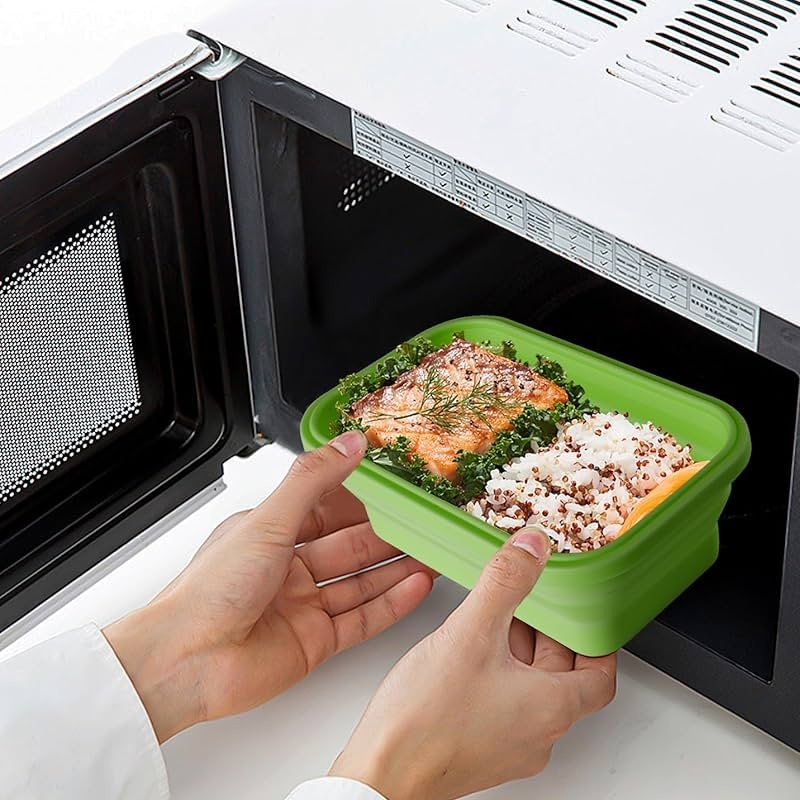
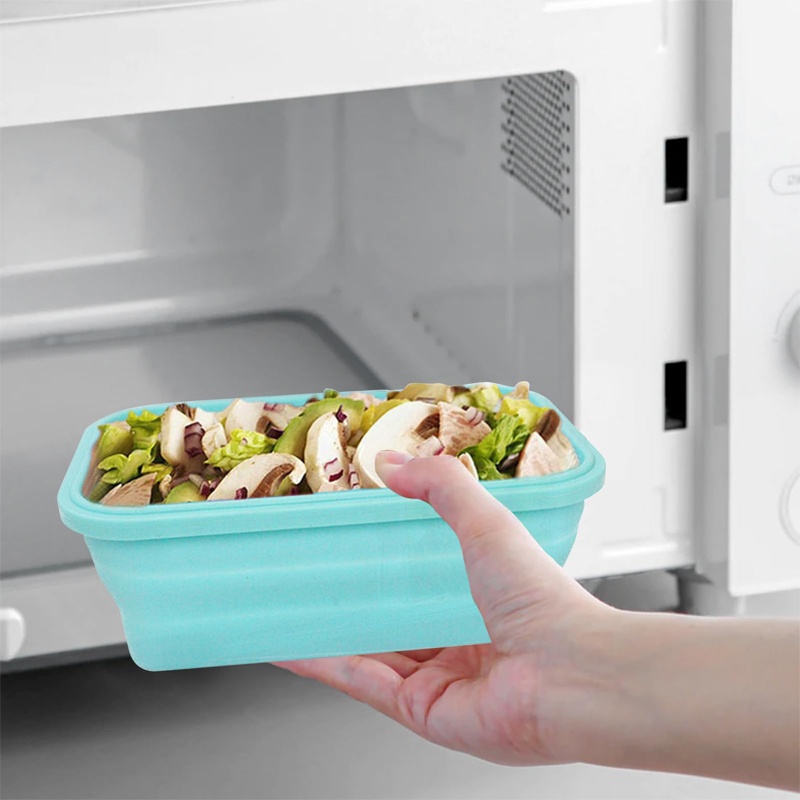
| Silicone plates & bowls | ✅ Yes | Ideal for toddlers and mess-free meals. |
| Silicone lids | ✅ Yes | Use with proper venting to avoid pressure build-up. |
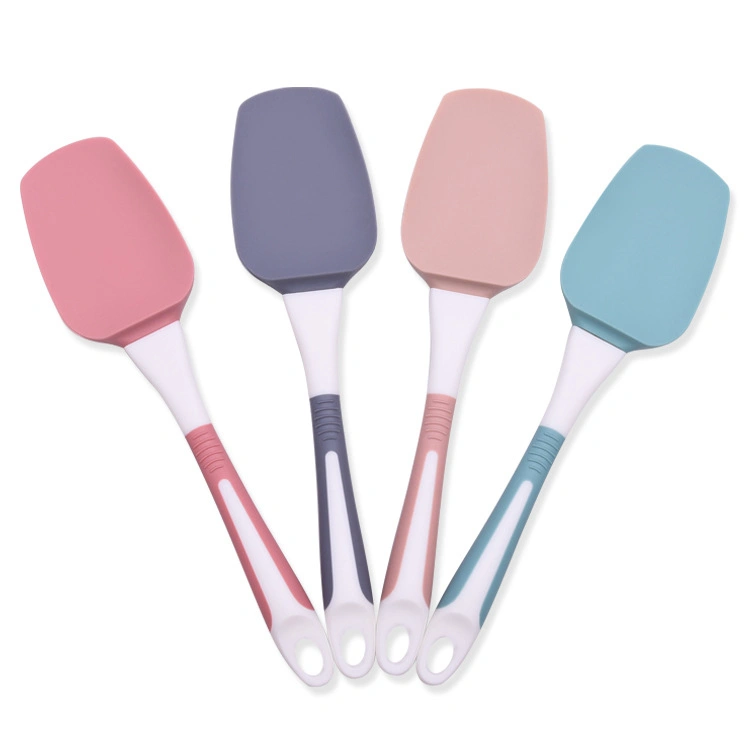
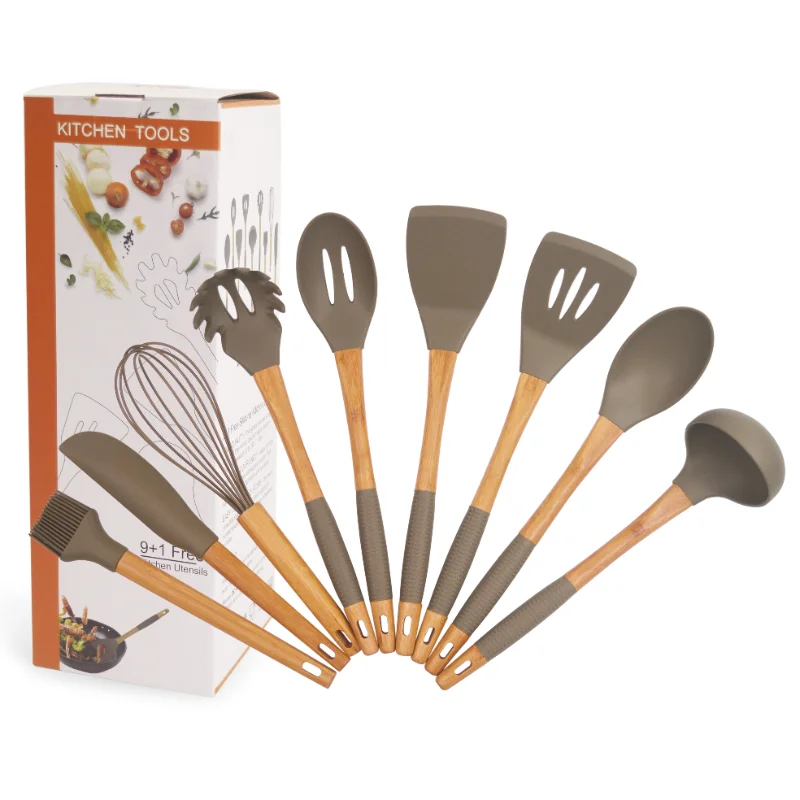
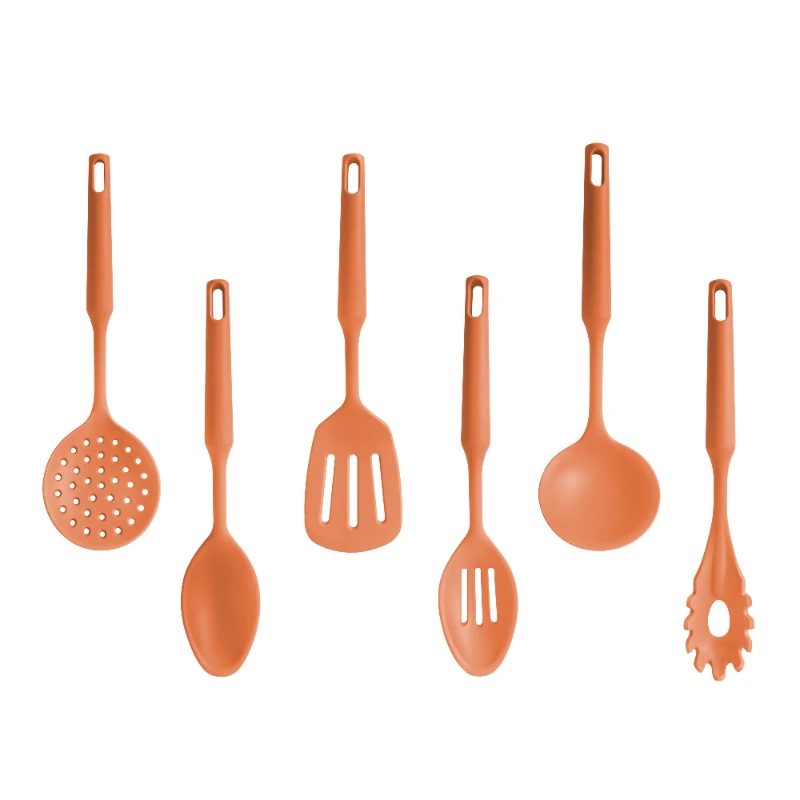
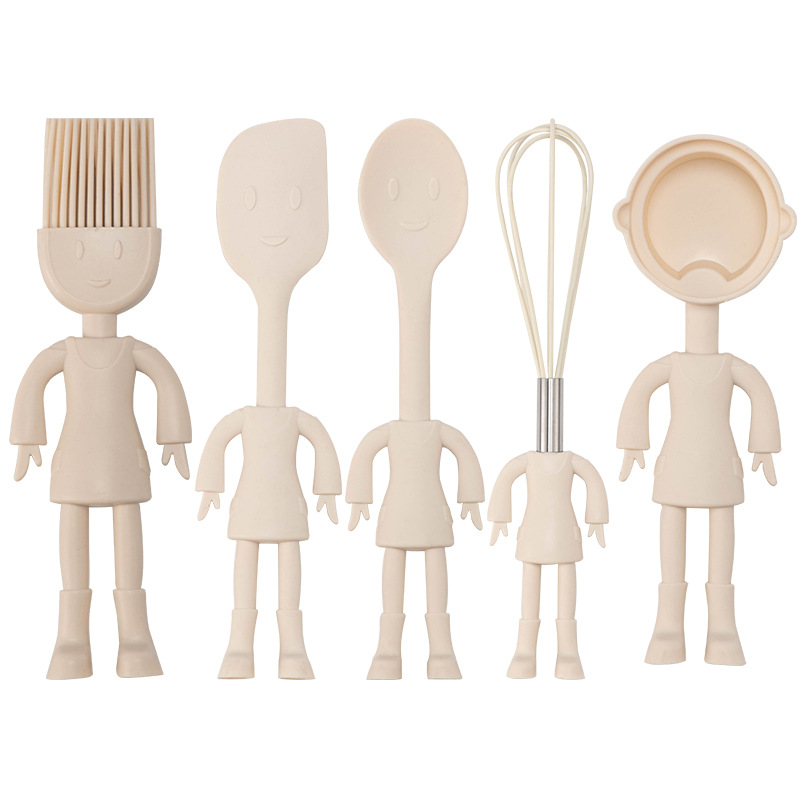
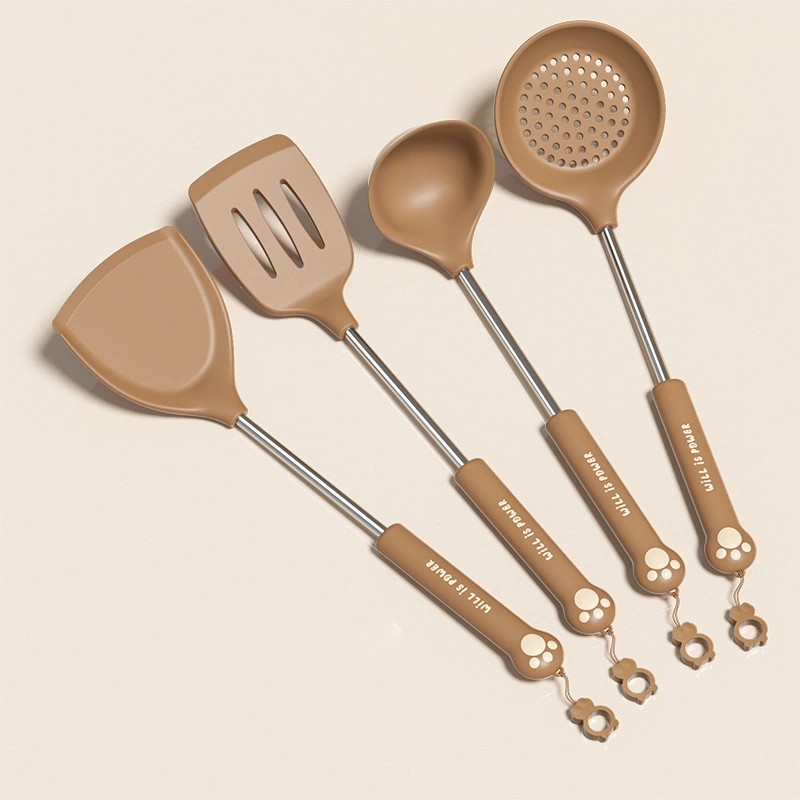
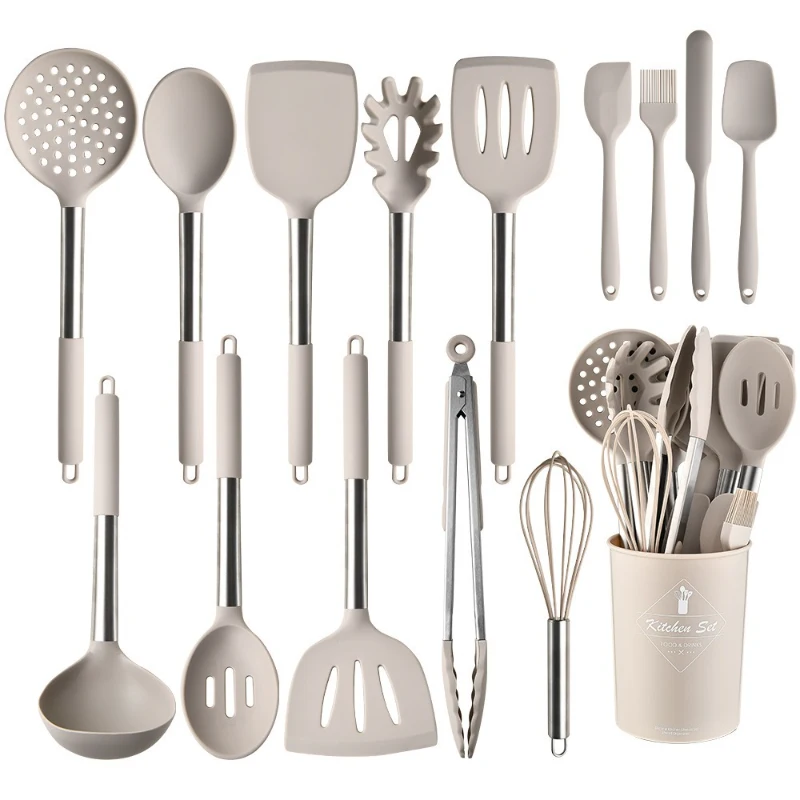
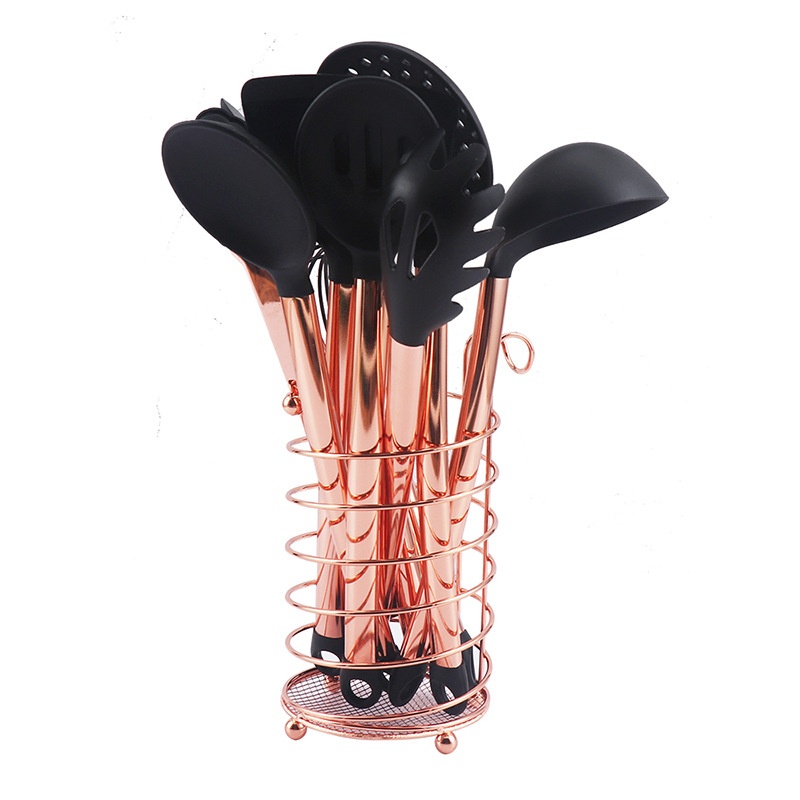
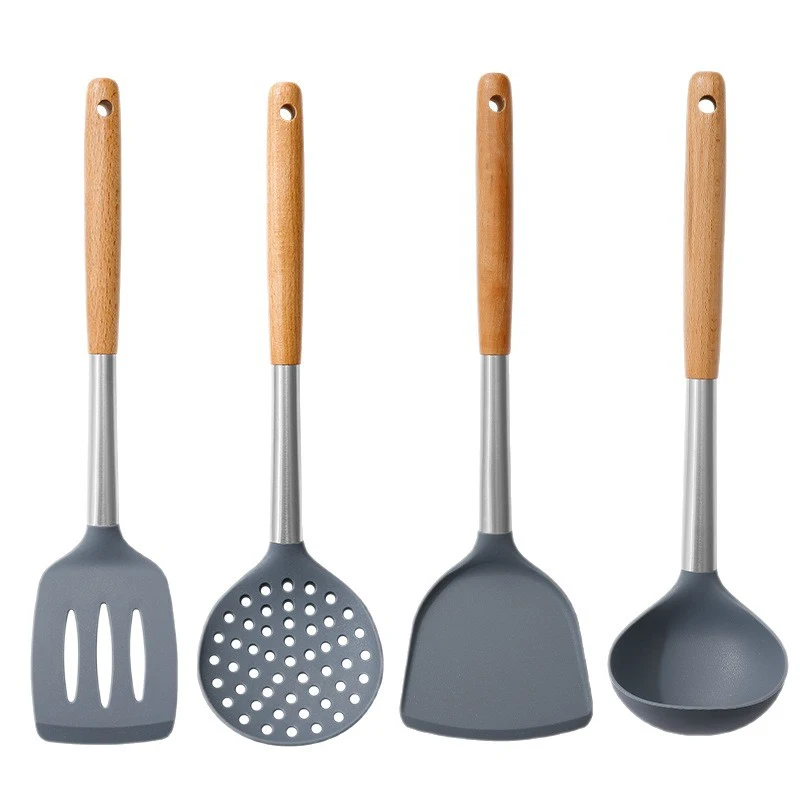
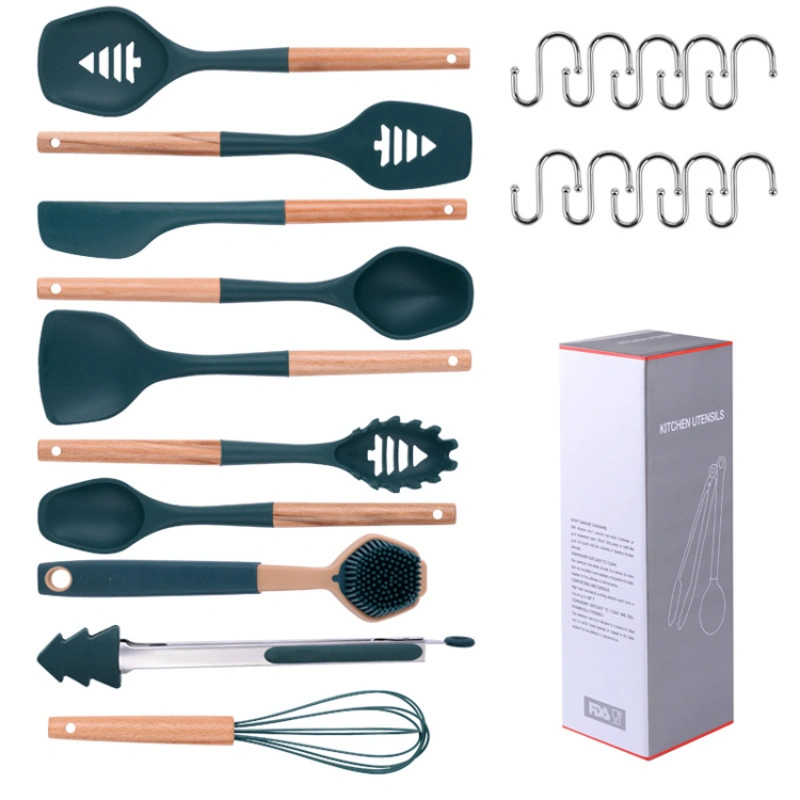
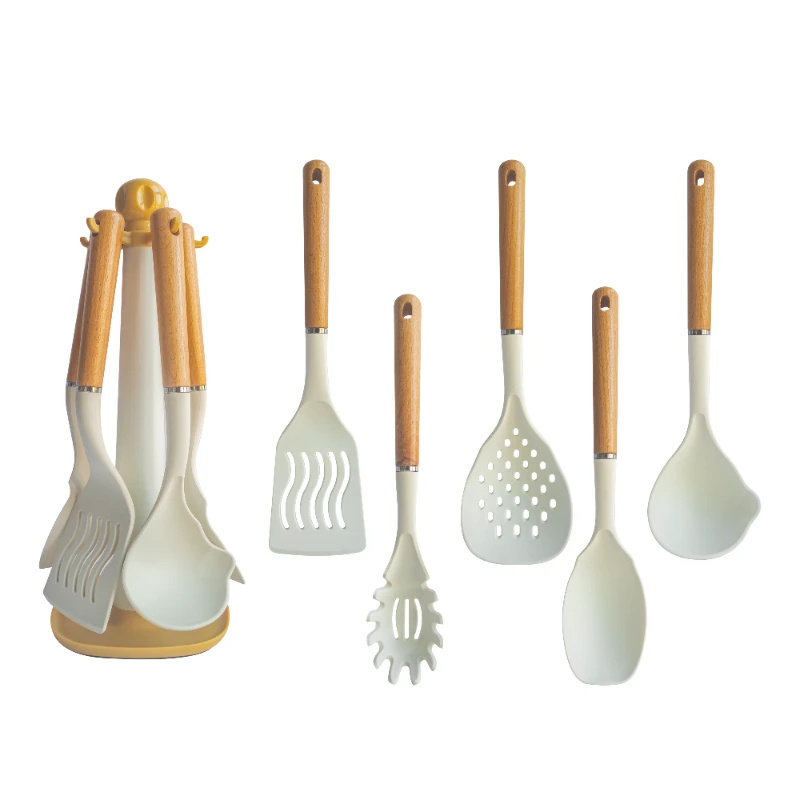
| Silicone utensils | ✅ Yes | Can be safely used in hot foods and microwave reheating. |
| Thin or cheap silicone | ⚠️ Maybe | Check for certifications—low-quality silicone may not be microwave-safe. |
Always look for “microwave-safe” labeling and certifications from trusted kitchenware brand.
Can Silicone Melt in a Microwave?
This is a common concern.
The good news is, silicone does not melt in a microwave under normal use. It’s designed to withstand high heat without breaking down. However, exposing silicone to direct heating elements or microwaving it empty could shorten its lifespan.
To be safe:
Don’t overheat (follow manufacturer temperature limits).
Avoid long durations at maximum microwave power.
Never microwave damaged or torn silicone products.
Debunking Common Myths About Microwaving Silicone
There’s a lot of misinformation online. Let’s set the record straight:
Myth 1: Silicone melts in the microwave → FALSE
Myth 2: Microwaving silicone releases toxins → FALSE
Myth 3: All silicone is microwave-safe → FALSE – only food-grade, certified silicone is.
Myth 4: Silicone holds onto smells or stains → FALSE – high-quality silicone is odor and stain resistant.
Myth 5: Silicone heats unevenly → FALSE – it actually helps distribute heat gently.
Eco-Friendly and Cost-Effective: More Reasons to Microwave Silicone
Using silicone in the microwave isn’t just about convenience — it’s also better for the planet.
Here’s why:
Reusable: Reduces the need for single-use plastic containers and wraps.
Saves Money: Long-lasting, durable material means fewer replacements.
Easy to Clean: Less scrubbing and fewer odor issues than traditional plastic.
Sustainable Living: Fewer disposables = less kitchen waste.
If you’re looking for ways to reduce plastic use and cook smarter, silicone is a smart, sustainable choice.
Tips for Safely Using Silicone in the Microwave
To get the most out of your silicone products, follow these tips:
✅ Check the label: Only use microwave-safe, food-grade silicone.
✅ Avoid sharp utensils: Prevent tearing or punctures.
✅ Vent lids properly: If your silicone lid lacks a vent, leave it slightly ajar.
✅ Clean regularly: Wash with mild soap or toss in the dishwasher.
✅ Inspect for damage: Discard cracked, warped, or worn-out items.
✅ Store away from direct sunlight: Helps prevent long-term degradation.
✅ Do not use on stovetops or under broilers: Silicone is microwave-safe, not flameproof.
Conclusion: Can You Microwave Silicone?
Yes — silicone is microwave-safe, durable, non-toxic, and perfect for modern kitchens.
Whether you’re reheating leftovers, baking in a silicone mold, or steaming vegetables with a silicone lid, you can use your silicone kitchenware with confidence. Just make sure it’s certified for microwave use, and follow basic care guidelines.
Final takeaway:
If you’ve been asking “Can silicone go in the microwave?”, the answer is a resounding YES — as long as it’s high-quality, food-grade silicone. Safe, sustainable, and incredibly convenient, silicone is a smart investment for anyone who relies on their microwave daily.
Need high-quality, microwave-safe silicone kitchenware in bulk?
Contact our team at Canzo Kitchenware — your trusted silicone kitchen tools manufacturer and OEM/ODM supplier. We provide certified, food-safe silicone products customized to your brand.
FAQ
1. Can silicone go in the microwave?
Yes, food-grade silicone is microwave-safe. It can withstand high temperatures without melting, warping, or releasing harmful chemicals.
2. Can you microwave silicone cups and plates?
Absolutely. Silicone cups and plates designed for microwave use are safe and convenient for heating food and drinks.
3. Can you microwave silicone baking molds?
Yes, silicone molds are ideal for baking and reheating in the microwave. They evenly distribute heat and retain their shape during use.
4. Is it safe to melt silicone in the microwave?
No. While silicone can handle high heat, it’s not meant to be melted intentionally. Overheating may damage the product and void its microwave-safe features.
5. How can I tell if a silicone product is microwave-safe?
Look for labeling such as “microwave-safe” or certifications like FDA or LFGB food-grade approval. Avoid low-quality or unlabeled silicone.
6. Does silicone release toxins when microwaved?
No. High-quality, BPA-free, food-grade silicone does not release harmful chemicals and is safe for reheating food.
7. Can silicone lids explode in the microwave?
Not if used properly. Use lids with vent holes or leave them slightly open to let steam escape and avoid pressure buildup.
8. Can I microwave colored or stained silicone items?
Yes, as long as they’re food-grade and undamaged. Some staining from strong-colored foods is normal and does not affect safety.
- can silicone go in the microwave, can you heat silicone in microwave, can you melt silicone in a microwave, can you microwave silicone, can you microwave silicone cups, can you microwave silicone molds, can you microwave silicone plates, can you put silicone in the microwave, is silicone microwave safe, silicone microwave