Table of Contents
At Canzo Kitchenware, a leading Chinese manufacturer specializing in wholesale silicone kitchenware and cooking tools, we prioritize the health and safety of our customers. When it comes to food grade silicone, not all materials are created equal. In this article, we’ll explore the key differences between FDA and LFGB certified silicone, and why choosing the right silicone kitchen utensils matters for your brand and customers.
What Is Food Grade Silicone?
Food grade silicone is a non-toxic, heat-resistant material made from a combination of silicon, oxygen, carbon, and hydrogen. It is widely used in the production of silicone kitchenware and baking utensils due to its flexibility, durability, and resistance to extreme temperatures.
Unlike traditional plastics or rubber, food grade silicone doesn’t release harmful substances when exposed to heat or acidic foods. It is non-reactive, odorless, non-stick, and does not corrode or degrade easily, making it ideal for long-term contact with food.
LFGB Silicone vs FDA Silicone: What’s the Difference?
When producing silicone kitchen utensils or any food contact materials, two main global testing standards come into play:
1. FDA (Food & Drug Administration) Certification
Commonly accepted in the United States, Australia, and other regions.
Ensures the silicone material is safe for food contact.
Easier and less expensive to pass.
FDA-certified silicone may still carry slight odor or taste if lower-grade material is used.
2. LFGB Certification (Lebensmittel- und Futtermittelgesetzbuch)
Required in Germany, France, and recommended throughout the EU.
Known as the strictest food safety standard in the world for silicone kitchen utensils products.
Requires more comprehensive testing, including sensory evaluation (taste and smell).
Products made from LFGB silicone are of higher purity, contain fewer fillers, and show no unpleasant odor or aftertaste.
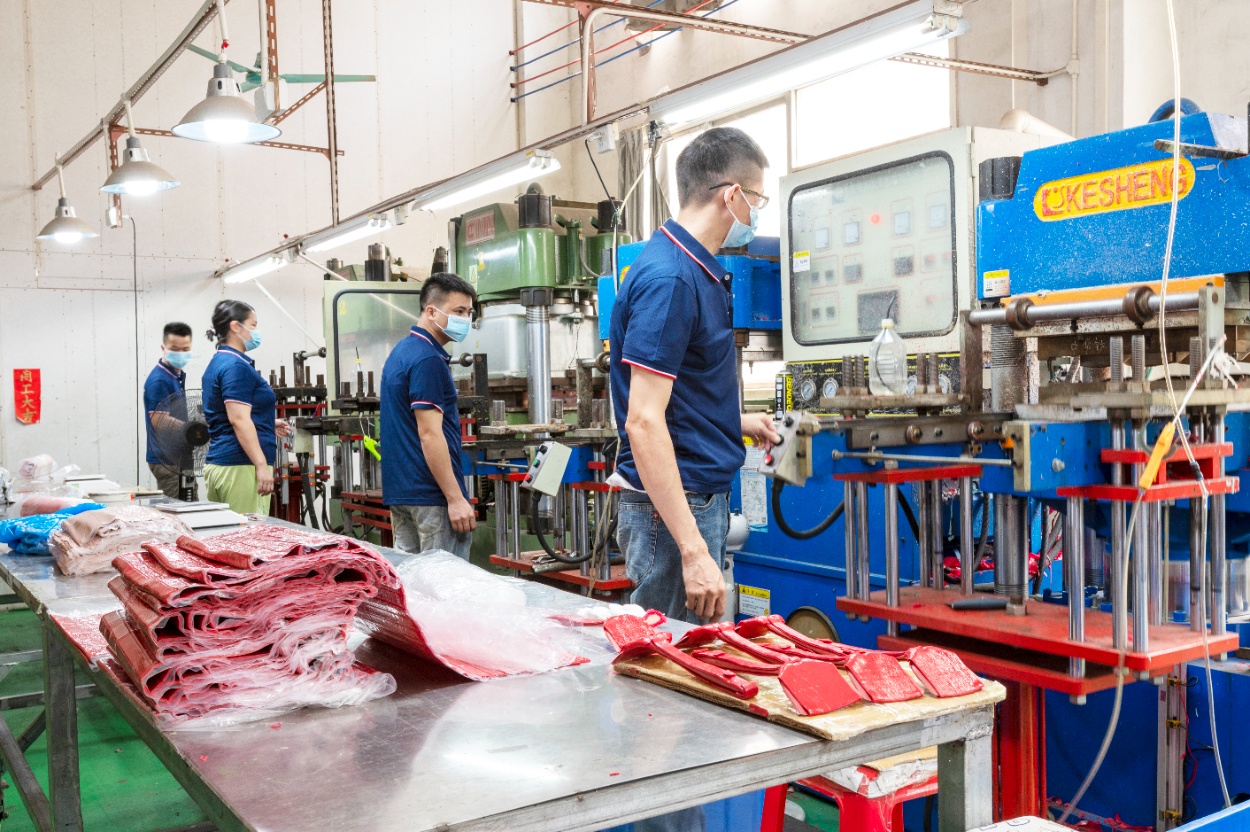
At Canzo Kitchenware, we go the extra mile by using LFGB-certified silicone for our kitchen utensils and silicone bakeware products, especially for clients who prioritize safety, quality, and compliance with European standards.

What Is LFGB Silicone?
LFGB silicone refers to silicone material that has passed Germany’s LFGB testing requirements, ensuring it’s safe for repeated use with food. Sometimes referred to as Platinum Silicone, LFGB-grade silicone is recognized for:
Greater heat and chemical resistance
Longer lifespan and durability
No residual odor or taste
Ideal for premium silicone baking tools, spatulas, mats, and lids
What Grades of Food Silicone Rubbers Are FDA Approved?
Several grades of silicone rubber are FDA approved for food contact, including:
Platinum-cured silicone rubber: High-quality, odorless, LFGB-compliant
Peroxide-cured silicone rubber: More affordable but may retain odor/taste if not processed thoroughly
At Canzo, we primarily use platinum-cured food grade silicone, especially for clients selling in high-standard markets.
What Is Food Grade Silicone Grease?
Food grade silicone grease is a silicone-based lubricant used to seal and lubricate parts in food processing equipment, coffee machines, and even kitchen gadgets. It is non-toxic, water-resistant, and safe for incidental food contact. Though not used directly in kitchenware, it plays a vital role in food-safe manufacturing processes.
LFGB Meaning: Why It Matters

Understanding the LFGB meaning is crucial when sourcing products internationally. Unlike FDA, which is a national agency, LFGB is part of German law that enforces EU’s strictest compliance for consumer protection. Products with the knife and fork symbol have passed LFGB tests and are approved for food contact in Europe.
Why Choose Canzo Kitchenware’s Silicone Products?
We manufacture a wide range of silicone kitchenware and silicone kitchen utensils using only high-quality, food grade silicone that meets either FDA or LFGB standards, depending on your market needs.
Our Wholesale Kitchenware Product Range Includes:
All of our silicone utensils are:
BPA-free and non-toxic
Dishwasher-safe and microwave-safe
Durable and eco-friendly
Conclusion: FDA vs LFGB – Which Should You Choose?
Both FDA and LFGB standards ensure food grade silicone is safe, but LFGB silicone offers superior quality and performance. If you’re targeting premium markets like Europe or want to offer the best for your customers, LFGB-certified silicone kitchen tools are the way to go.
At Canzo Kitchenware, we’re proud to support our global kitchenware clients with customized, high-quality silicone kitchenware that meets the most demanding food safety regulations.
FAQs
1. What is food grade silicone?
Food grade silicone is a non-toxic, heat-resistant, and flexible material made from silicon, oxygen, carbon, and hydrogen. It is safe for use in cooking and baking because it does not leach harmful chemicals into food and is odorless, durable, and non-reactive.
2. Is silicone safe to use for kitchen utensils and bakeware?
Yes. Silicone kitchenware made from FDA or LFGB certified food grade silicone is considered safe for contact with food. It does not release hazardous fumes, doesn’t react with food, and is widely accepted by global health organizations including the FDA, Health Canada, and BfR in Germany.
3. What is the difference between LFGB silicone and FDA silicone?
FDA silicone meets U.S. safety standards and is suitable for most markets.
LFGB silicone complies with stricter German and EU standards. It is more thoroughly tested (including smell and taste tests), making it higher quality, purer, and safer for long-term use.
LFGB certified silicone is often referred to as Platinum Silicone.
4. What does LFGB mean?
LFGB stands for Lebensmittel-, Bedarfsgegenstände- und Futtermittelgesetzbuch, which translates to the German Food, Commodities and Feed Code. It represents the most stringent food safety standard in Europe, especially for silicone products intended for repeated food contact.
5. Which grade of silicone rubber is FDA approved for food contact?
The FDA approves both platinum-cured and peroxide-cured silicone rubber, but platinum-cured silicone is the preferred choice for higher-end products due to its superior purity, lower odor, and better durability. At Canzo, we use platinum-cured silicone to meet FDA and LFGB standards.
6. What is food grade silicone grease?
Food grade silicone grease is a lubricant used in appliances and equipment that may come into incidental contact with food. It is not used directly in kitchenware, but ensures safe operation of machinery in food processing or beverage systems.
7. Why does LFGB certified silicone cost more?
LFGB-certified silicone undergoes more rigorous testing, including migration tests and sensory evaluations. This higher testing standard ensures the silicone is of better quality, which results in higher production costs but also longer-lasting, safer kitchen products.
8. Does food grade silicone have any smell or taste?
High-quality LFGB silicone has no smell or taste. However, lower-grade or non-certified silicone may carry a faint odor or release off-flavors when first used, especially under high heat.
9. Is LFGB silicone required for products sold in Europe?
Yes, particularly in Germany and France, LFGB certification is mandatory. For other EU countries, compliance with EU Regulation 1935/2004/EC is typically sufficient, but LFGB is still highly recommended for premium markets.
10. Can you produce both FDA and LFGB certified silicone products?
Yes! At Canzo Kitchenware, we can manufacture according to FDA or LFGB standards, depending on your target market and quality requirements. We also support OEM and custom mold services for silicone kitchenware wholesale.