
Table of Contents
As silicone products become increasingly common in homes and industries alike, many people ask: Is silicone plastic? At first glance, silicone and plastic may appear similar—both are flexible, durable, and used in a wide range of applications. However, the two materials are fundamentally different in structure, safety, and environmental impact. In this article, we’ll explore what sets them apart and answer common questions such as “Is silicone safer than plastic?” and “Is silicone better than plastic?”
What Is Silicone?
Silicone is a synthetic polymer made primarily from silicon (a natural element found in sand and quartz), combined with oxygen, carbon, and hydrogen. This unique silicon-oxygen backbone gives silicone its flexibility, resilience, and ability to withstand extreme temperatures. Unlike traditional plastics, which are typically made from petroleum-based hydrocarbons, silicone is derived from inorganic materials, making it chemically and thermally more stable.
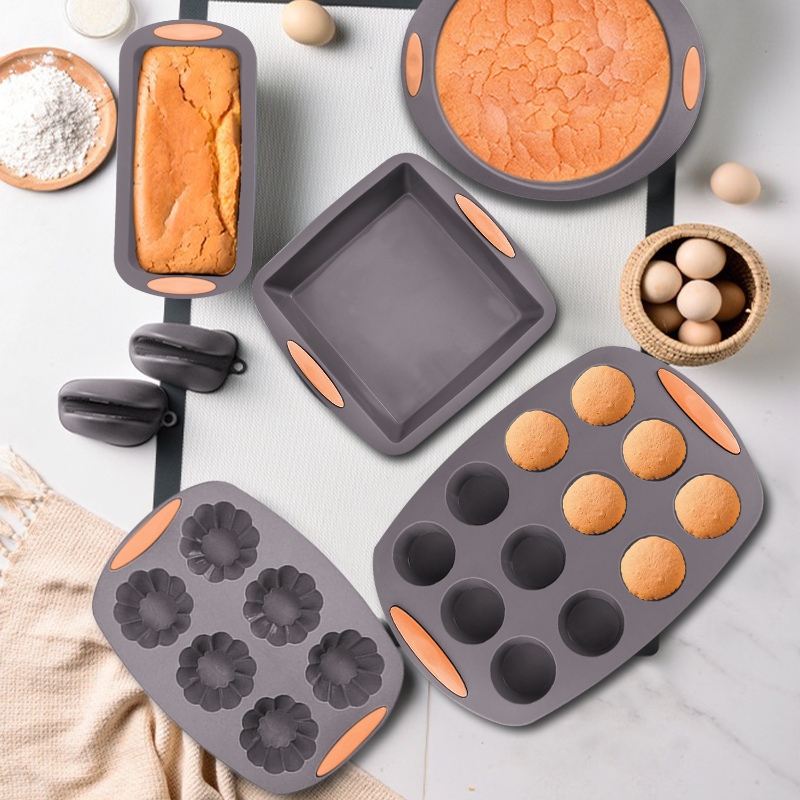
Silicone comes in various forms—rubbery, liquid, or solid—and is widely used in kitchen utensils, baking utensils, kitchen gadget tools, food storage container, and more.
The end product is a high-purity, flexible, and temperature-resistant material that has quickly become a preferred choice for manufacturers focused on safety and performance.
Is Silicone Plastic?
No, silicone is not plastic, even though they may seem alike in some uses.
| Property | Silicone | Plastic |
|---|---|---|
| Base Material | Derived from silica (sand) | Derived from petroleum |
| Polymer Structure | Silicon-Oxygen backbone | Carbon-Carbon backbone |
| Type | Thermosetting | Mostly thermoplastic |
| Temperature Range | -40°F to 400°F | Varies; some melt or warp at high temps |
| Chemical Stability | Highly resistant to chemicals | Can leach chemicals like BPA at high temps |
| Environmental Impact | Recyclable in specialized facilities | Often non-recyclable, contributes to pollution |
So, while silicone shares some physical traits with plastic, it is a distinct material in terms of composition and behavior.
Is Silicone Safer Than Plastic?
Yes, silicone is generally safer than plastic, especially for applications involving food, drink, and medical use. Here’s why:
-
Non-toxic and inert: Silicone doesn’t leach harmful chemicals like BPA, phthalates, or microplastics into food or liquids, unlike many plastics.
-
FDA and medical-grade approved: Silicone is approved for contact with food and human tissue, making it a common choice for baby bottles, pacifiers, and surgical tools.
-
Odor and stain resistant: It doesn’t absorb odors or stains easily, and it’s easier to sanitize than most plastics.
So when it comes to choosing materials for safety-critical applications, silicone has a clear advantage.
Silicone vs Plastic: What Are the Key Differences?
Let’s break down the key comparisons between silicone vs plastic across various categories:
Temperature Resistance
-
Silicone can handle temperatures from -40°F to 400°F without melting or degrading.
-
Plastic varies greatly by type—many melt, warp, or release fumes at high heat.
Chemical Resistance
-
Silicone resists chemical degradation and doesn’t leach toxins.
-
Plastic may react with oils or acids and can leach harmful substances, especially when heated.
Durability
-
Silicone is elastic, crack-resistant, and long-lasting—even in harsh conditions.
-
Plastic is durable but can become brittle, crack, or degrade over time.
Environmental Impact
-
Silicone is more sustainable; it’s long-lasting and recyclable at specialized facilities.
-
Plastic contributes to environmental pollution and microplastics and is often not recycled.
Bacterial Resistance
-
Silicone can be made antimicrobial with additives like silver ions.
-
Plastic can also include antimicrobial coatings, but long-term safety varies.
Is Silicone Better Than Plastic?
In many cases, yes—silicone is better than plastic. Here’s a quick summary of the advantages of silicone:
-
✅ Higher safety for food, medical, and baby products
-
✅ Greater temperature resistance for cooking and baking
-
✅ Long-term durability and flexibility
-
✅ Lower risk of chemical leaching
-
✅ More environmentally friendly when recycled properly
-
✅ Versatile applications across industries
While plastic remains more cost-effective and widely used in packaging and disposable goods, silicone outperforms plastic in safety, sustainability, and long-term performance.
Common Applications of Silicone Kitchenware
Because of its unique properties, silicone is widely used in kitchenware products:
-
kitchen utensils: Spatula, spoon, slotted spoon, turner, slotter spoon, pasta server, ladle, skimmer, scraper, whisk, brush, tong, utensils rest.
-
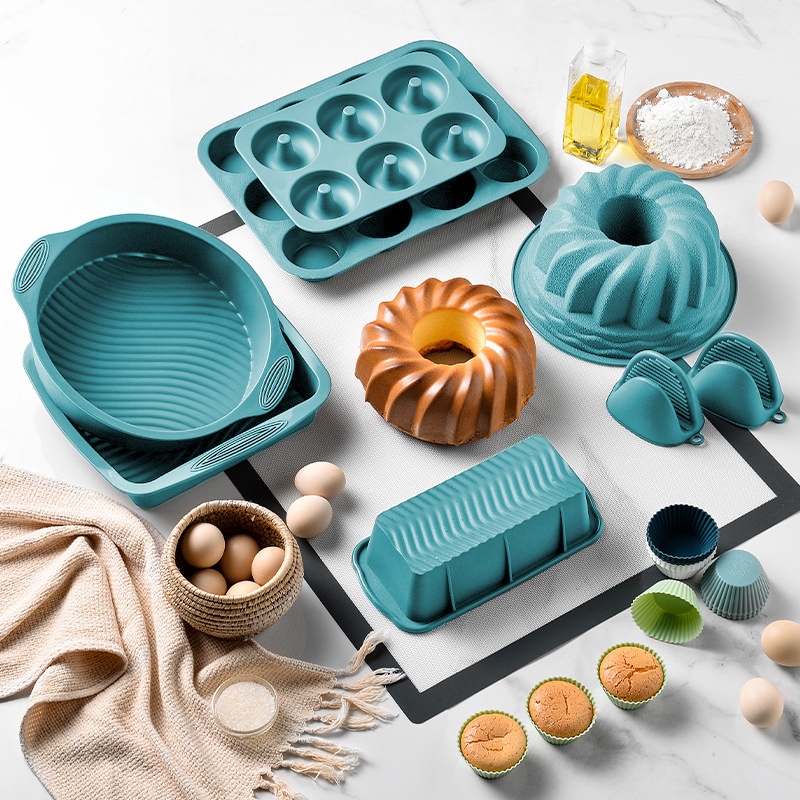
baking utensils: bakeware, baking mold, baking mat, rolling pin, cookie stamp.
-
kitchen gadgets ans tools: collapsible colander, ice cube mold, coffee mug.
-
Food storage container: silicone container, silicone ring, silicone lid
Conclusion
So, is silicone plastic? No—it’s a distinct, more advanced material derived from natural silica rather than petroleum. If you’re wondering “Is silicone safer than plastic?”, the answer is a resounding yes, particularly for food, medical, and baby products. And when comparing silicone vs plastic, silicone offers better performance in durability, temperature resistance, and safety.
For businesses and consumers alike, silicone is often the better alternative—especially when health, environmental impact, and long-term value are key considerations.
Looking for a reliable silicone product supplier?
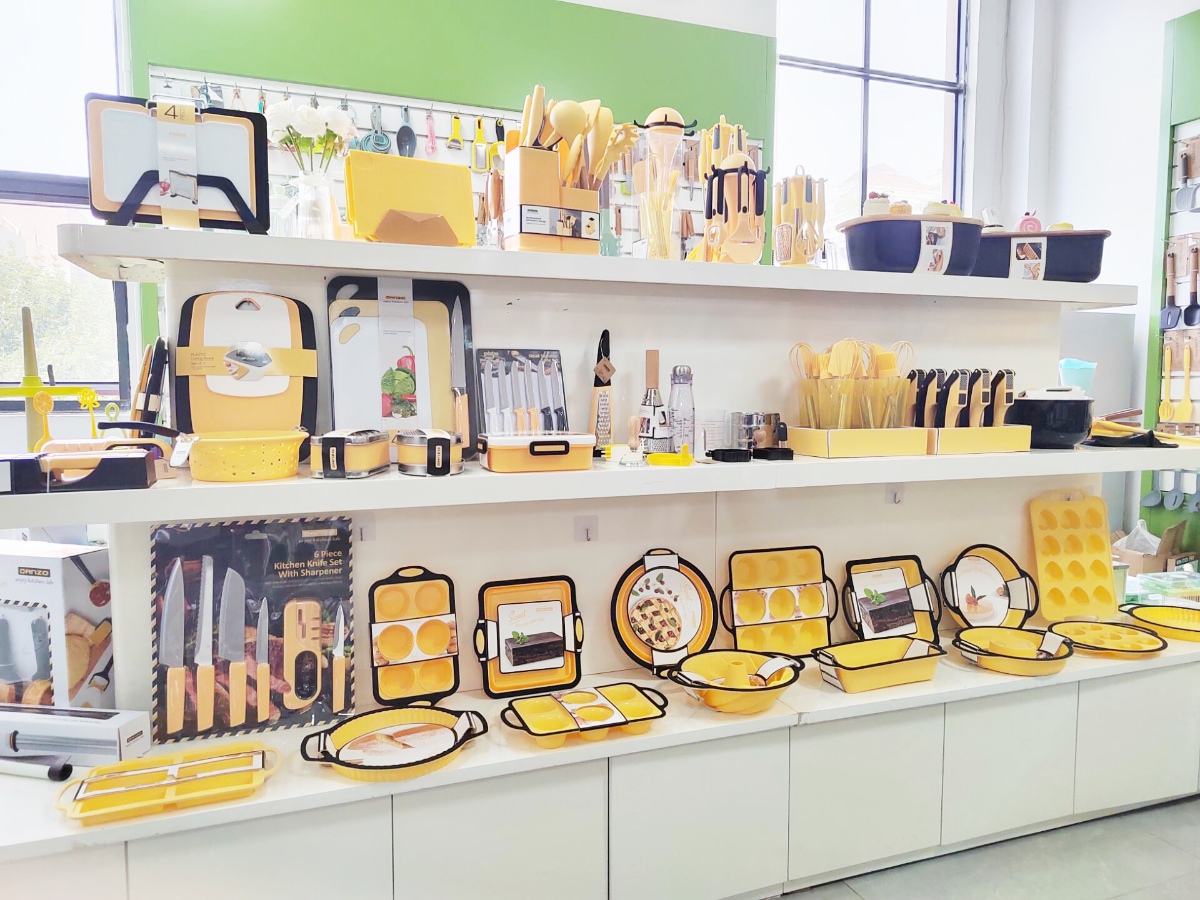
At Canzo Kitchenware, we specialize in high-quality silicone kitchen tools, bakeware, and utensils for wholesale. Contact us today to find out how we can help elevate your product line!
FAQs
Is silicone plastic?
No, silicone is not plastic. While they may appear similar and serve similar functions, silicone is a synthetic polymer made from silicon, oxygen, and other elements. In contrast, plastic is typically derived from petroleum and consists of carbon-based polymers. Silicone is thermosetting, while plastic is often thermoplastic.
Is silicone safer than plastic?
Yes, silicone is generally considered safer than plastic, especially for food contact and medical applications. Unlike some plastics, silicone does not leach harmful chemicals such as BPA or phthalates, even when exposed to high temperatures. It is also non-reactive and approved by health authorities like the FDA for food and medical use.
Silicone vs plastic: What’s the difference?
Silicone and plastic differ in origin, structure, and properties:
-
Material Base: Silicone comes from silica (sand), while plastic is petroleum-based.
-
Temperature Resistance: Silicone withstands higher and lower temperatures than most plastics.
-
Chemical Safety: Silicone is more inert and less likely to leach chemicals.
-
Durability: Silicone resists cracking, fading, and degradation better than many plastics.
-
Sustainability: Silicone is recyclable in specialized facilities and considered more eco-friendly than single-use plastics.
Is silicone better than plastic?
In many cases, yes. Silicone outperforms plastic in heat resistance, chemical stability, and long-term durability. It’s also more flexible and reusable, making it ideal for kitchenware, baby products, and medical devices. However, plastic may still be preferable for certain lightweight, disposable, or cost-sensitive applications.
Is silicone a type of rubber or plastic?
Silicone is technically more similar to rubber than plastic. It shares rubber’s flexibility and elasticity but is made from inorganic silicon-oxygen polymers rather than the organic carbon-based polymers found in natural or synthetic rubber. Unlike plastic, silicone does not soften or melt when heated, making it a thermosetting material.
Is silicone environmentally friendly?
Silicone is more environmentally friendly than many conventional plastics. It is long-lasting, non-toxic, and can be recycled at specialized facilities. While it’s not biodegradable, its durability reduces the need for frequent replacement, which can help minimize waste over time.