Table of Contents
When it comes to non-stick baking solutions, the long-standing debate of silicone baking mat vs parchment paper continues to spark curiosity among home bakers and professionals alike. Whether you’re baking cookies, roasting vegetables, or preparing delicate pastries, understanding the difference between these two kitchen staples can significantly impact your results. In this guide, we’ll compare parchment paper vs silicone baking mat in detail, explore which is better for air fryers and cookies, and help you decide which one belongs in your kitchen.
What Is a Silicone Baking Mat?
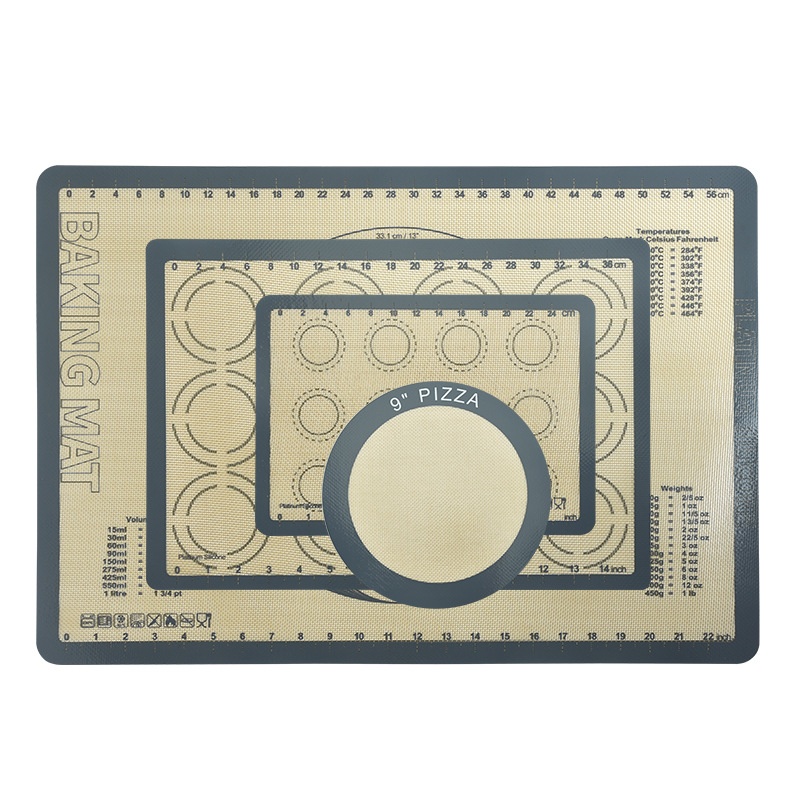
A silicone baking mat is a reusable, flexible, and non-stick sheet made from food-grade silicone reinforced with fiberglass. These mats are designed to fit standard baking trays and provide a smooth, heat-resistant surface for baking.
Pros:
Reusable & Eco-Friendly: Can be used thousands of times, reducing waste.
Superior Non-Stick: Ideal for sticky doughs, candies, or roasted items.
Even Heat Distribution: Ensures consistent browning across your bake.
Cost-Effective in the Long Run: Though more expensive upfront, they pay off with repeated use.
Cons:
Not Cuttable: Unlike parchment, they cannot be trimmed to custom sizes.
Cleaning Required: Must be washed after each use.
Storage Needs: Needs to be rolled or stored flat to avoid damage.
Can Attract Dust: Static nature causes lint or fibers to stick easily.
What Is Parchment Paper?
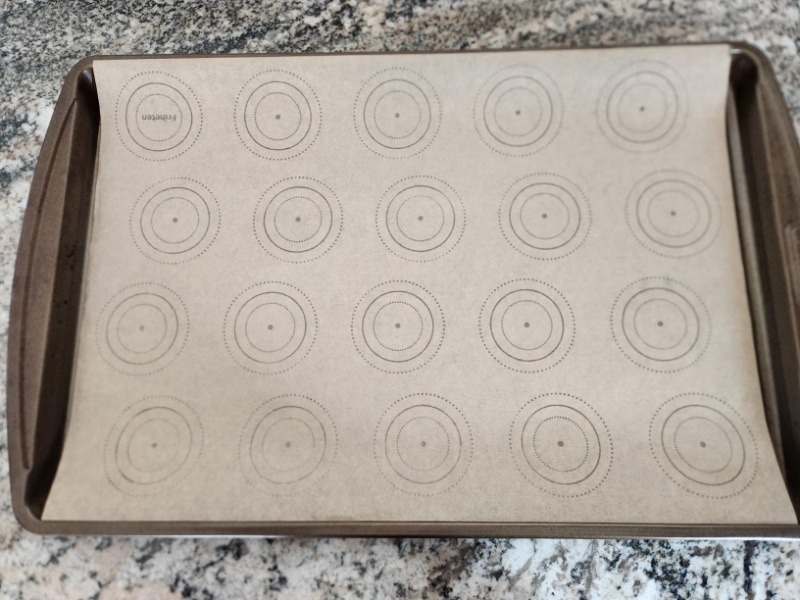
Parchment paper is a disposable, non-stick baking paper usually coated with silicone or quilon to resist moisture and grease. It’s widely used in both commercial and home kitchens for easy cleanup and consistent baking.
Pros:
-
Disposable Convenience: No cleanup, just toss after use.
-
Versatile Fit: Easily trimmed to fit any tray or pan size.
-
Widely Available: Comes in rolls or pre-cut sheets for convenience.
-
Cleaner Results: Less chance of absorbing odors or flavors between bakes.
Cons:
-
Single-Use: Not environmentally friendly.
-
Burn Risk: Can darken or scorch above 230℃(450°F).
-
Ongoing Cost: Must be replenished frequently if you bake often.
Baking Cookies on Parchment vs Silpat (Silicone Baking Mat)
When baking cookies, both options offer a non-stick surface, but there are subtle differences:
Silicone Mats give cookies a more even browning and smoother base but can lead to slightly puffier results due to less moisture evaporation.
Parchment Paper allows for a crispier edge and can sometimes help cookies spread more, which may be ideal for classic chocolate chip cookies.
Winner: It depends on your preference. Use silicone mats for delicate cookies (e.g., macarons), and parchment for crispy or rustic textures.
Are Silicone Mats Better Than Parchment Paper in Air Fryers?
If you’re baking or reheating food in an air fryer, are silicone mats better than parchment paper in air fryer?
Parchment Paper (especially perforated versions) is generally safer and allows for better air circulation.
Silicone Mats are thicker and can disrupt airflow, potentially affecting crispiness and cooking time. However, air fryer-specific silicone liners are available.
Recommendation: For air fryer use, go with parchment paper, unless you’re using mats designed specifically for air fryers.
Baking Mat vs Parchment Paper: Which One Should You Choose?
| Feature | Silicone Baking Mat | Parchment Paper |
| Reusability |  (up to 2,000 times) (up to 2,000 times) | ✘ (single-use) |
| Eco-Friendliness | | ✘ |
| Cost | Higher upfront | Lower per-use cost |
| Heat Resistance | Up to 250℃(480°F) | Up to 230℃(450°F) |
| Versatility | Limited to baking | Multi-purpose (baking, roasting, wrapping) |
| Storage | Needs flat storage | Easy to store anywhere |
| Cleaning Required | Yes | No |
| Air Fryer Compatibility | Depends on type | Highly compatible |
When to Use Each One
Choose Silicone Baking Mats if:
You bake often and want a long-term, eco-friendly option.
You make sticky treats like caramel, meringue, or toffee.
You’re baking delicate pastries that benefit from gentle, even heat (e.g., macarons).
Choose Parchment Paper if:
You bake occasionally or want zero cleanup.
You’re roasting or cooking high-moisture foods.
You need to trim to fit custom pans or use in small appliances like air fryers.
Final Thoughts: Are Silicone Baking Mats Better Than Parchment Paper?
There’s no one-size-fits-all answer. The silicone baking mat vs parchment paper debate comes down to your specific needs, habits, and sustainability goals.
If you’re looking for convenience and flexibility, parchment paper is a solid choice. But if you’re committed to reducing waste and baking often, silicone baking mats are a smart investment.
At Canzo Kitchenware, we offer wholesale silicone baking mats in various sizes and custom options, perfect for professional kitchens or retail distribution. Whether you’re supplying eco-conscious consumers or professional bakers, we’re here to help you choose the best solution for your needs.
FAQ
Q: Are silicone baking mats better than parchment paper for baking cookies?
A: Silicone mats provide even browning and are reusable, but parchment allows cookies to spread more and crisp up.
Q: Can you use a silicone baking mat in an air fryer?
A: Only if the mat is designed for air fryer use. Otherwise, it may block airflow. Perforated parchment is often a better choice.
Q: Is parchment paper more eco-friendly than silicone mats?
A: No, silicone mats are reusable and generate less waste over time.
Q: Can you roast vegetables on a silicone baking mat?
A: Yes, but parchment paper might absorb more moisture and result in crisper edges.
Q: Is it safe to cut silicone mats to size?
A: No! Most silicone mats contain fiberglass and should never be trimmed.
- are silicone baking mats better than parchment paper, are silicone mats better than parchment paper, are silicone mats better than parchment paper in air fryer, baking cookies on parchment vs silpat, baking mat vs parchment paper, Parchment Paper vs Silicone Baking Mat, parchment paper vs silicone mat, Silicone Baking Mat vs Parchment Paper