Durability Of Nylon Vs. Silicone Cooking Utensils
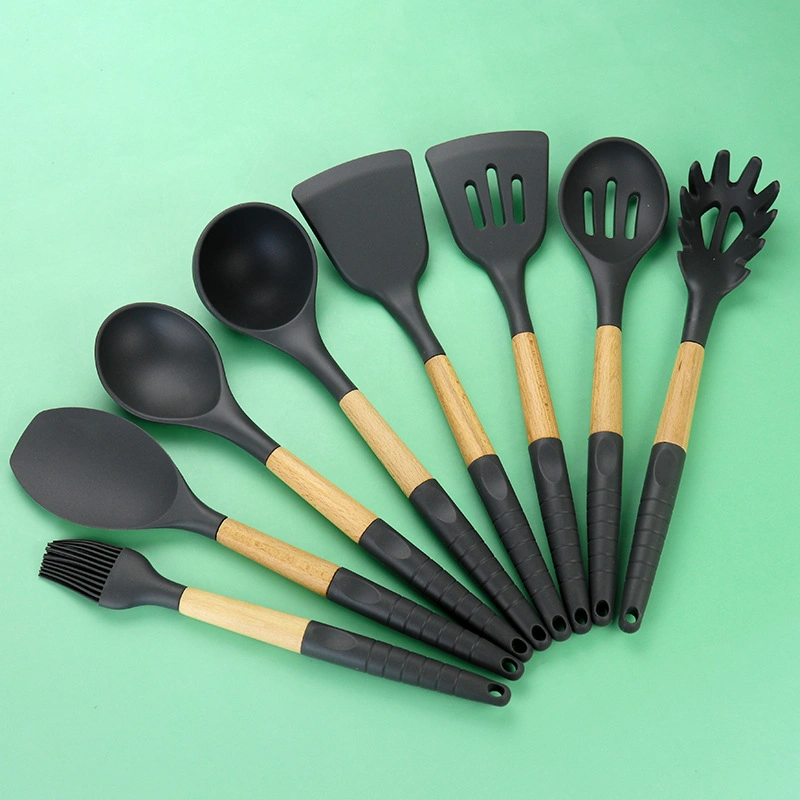 When considering the durability of nylon versus silicone cooking utensils, it is essential to understand the distinct properties and performance characteristics of each material. Both nylon and silicone have become popular choices in modern kitchens due to their versatility and ease of use, yet they exhibit significant differences in terms of durability, which can influence a cook’s decision on which to use.[/caption]
Nylon cooking utensils are known for their strength and rigidity. They are typically made from a type of plastic that is heat-resistant up to a certain temperature, usually around 400°F (204°C). This makes them suitable for a variety of cooking tasks, including stirring, flipping, and serving. However, nylon utensils have a notable limitation in their heat resistance. When exposed to temperatures exceeding their threshold, nylon can melt or warp, compromising the utensil’s integrity and potentially releasing harmful chemicals into food. This vulnerability necessitates careful monitoring of cooking temperatures to ensure the longevity of nylon utensils.
In contrast, silicone cooking utensils offer superior heat resistance, often withstanding temperatures up to 600°F (315°C) or higher. This makes silicone an excellent choice for high-heat cooking methods such as frying or baking. Silicone’s flexibility also contributes to its durability; it can bend and twist without breaking, which is particularly advantageous when scraping the sides of bowls or pans. Additionally, silicone is non-reactive and does not leach chemicals, ensuring that it remains safe for food contact even under extreme conditions. This resilience to both heat and physical stress underscores silicone’s reputation for durability in the kitchen.
Another aspect to consider is the wear and tear that utensils endure over time. Nylon utensils, while initially robust, can become brittle and prone to cracking with prolonged use, especially if they are frequently exposed to high temperatures or harsh cleaning agents. This degradation can lead to the need for more frequent replacements, which may not be cost-effective in the long run. On the other hand, silicone utensils are highly resistant to wear and tear. Their non-porous surface prevents the absorption of stains and odors, and they can withstand repeated use and cleaning without significant deterioration. This longevity makes silicone utensils a more sustainable option for those looking to minimize waste and reduce the frequency of replacements.
Furthermore, the interaction of these materials with different types of cookware is another factor influencing their durability. Nylon utensils are generally safe to use with non-stick cookware, as they are less likely to scratch the delicate surface compared to metal utensils. However, the risk of melting remains a concern. Silicone utensils, with their soft and flexible nature, are also gentle on non-stick surfaces and can be used with a wider range of cookware materials, including stainless steel and cast iron, without causing damage. This versatility enhances their practicality and extends their useful life in the kitchen.
In conclusion, while both nylon and silicone cooking utensils have their merits, silicone stands out as the more durable option due to its superior heat resistance, flexibility, and resistance to wear and tear. Nylon utensils, though strong and rigid, are more susceptible to damage from high temperatures and prolonged use. Therefore, for those seeking long-lasting and reliable kitchen tools, silicone utensils are likely to provide greater durability and overall value.
Heat Resistance In Nylon And Silicone Utensils
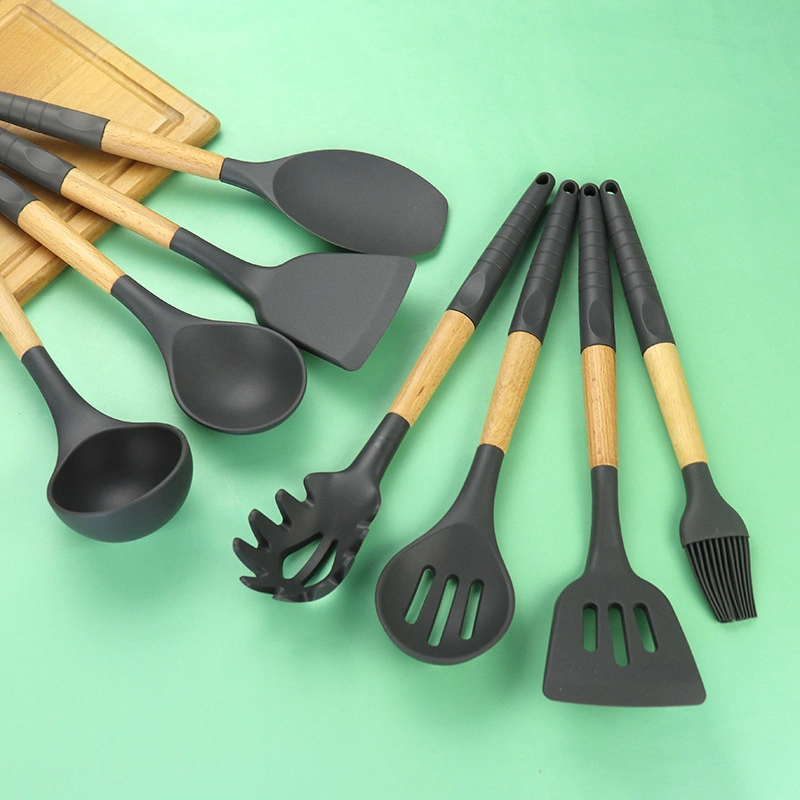 When considering the heat resistance of nylon and silicone cooking utensils, it is essential to understand the fundamental differences between these two materials. Both nylon and silicone are popular choices in modern kitchens due to their durability, flexibility, and non-stick properties. However, their performance under high temperatures varies significantly, which can impact their suitability for different cooking tasks.[/caption]
Nylon utensils are typically made from a type of plastic known as polyamide. This material is known for its strength and resistance to wear and tear, making it a reliable choice for everyday kitchen use. However, nylon has a relatively lower heat resistance compared to silicone. Nylon utensils can generally withstand temperatures up to approximately 400°F (204°C). Beyond this threshold, nylon begins to melt and degrade, which can not only damage the utensil but also potentially release harmful chemicals into the food. Therefore, while nylon utensils are suitable for tasks such as stirring or serving, they may not be the best choice for high-heat cooking methods like frying or grilling.
In contrast, silicone utensils are made from a synthetic rubber-like material that exhibits exceptional heat resistance. Silicone can typically endure temperatures up to 600°F (315°C) without melting or degrading. This high heat tolerance makes silicone utensils ideal for a wide range of cooking techniques, including those that involve direct exposure to high temperatures. For instance, silicone spatulas are often used for flipping pancakes on a hot griddle or stirring sauces in a simmering pot, as they can withstand the heat without compromising their integrity.
Moreover, the heat resistance of silicone extends beyond just withstanding high temperatures. Silicone utensils also maintain their flexibility and non-stick properties even when exposed to extreme heat. This characteristic is particularly beneficial when cooking delicate foods that require gentle handling, as silicone utensils can maneuver around the food without causing damage. Additionally, silicone’s non-stick surface ensures that food does not adhere to the utensil, making it easier to clean and maintain.
Another aspect to consider is the safety of using these materials at high temperatures. Nylon, when exposed to temperatures beyond its heat resistance limit, can release potentially harmful substances such as bisphenol A (BPA) and other plasticizers. These chemicals can leach into food and pose health risks over time. On the other hand, silicone is generally considered to be a safer material for high-heat cooking. High-quality, food-grade silicone is free from BPA and other harmful chemicals, making it a safer option for cooking and baking.
In summary, while both nylon and silicone cooking utensils offer distinct advantages, their heat resistance capabilities set them apart in terms of suitability for various cooking tasks. Nylon utensils, with their moderate heat resistance, are best suited for low to medium-heat applications. Conversely, silicone utensils, with their superior heat tolerance, are more versatile and can be used safely in high-heat cooking scenarios. Understanding these differences allows cooks to make informed decisions about which utensils to use, ensuring both the longevity of their kitchen tools and the safety of their culinary creations.
Safety Concerns: Nylon Vs. Silicone In The Kitchen
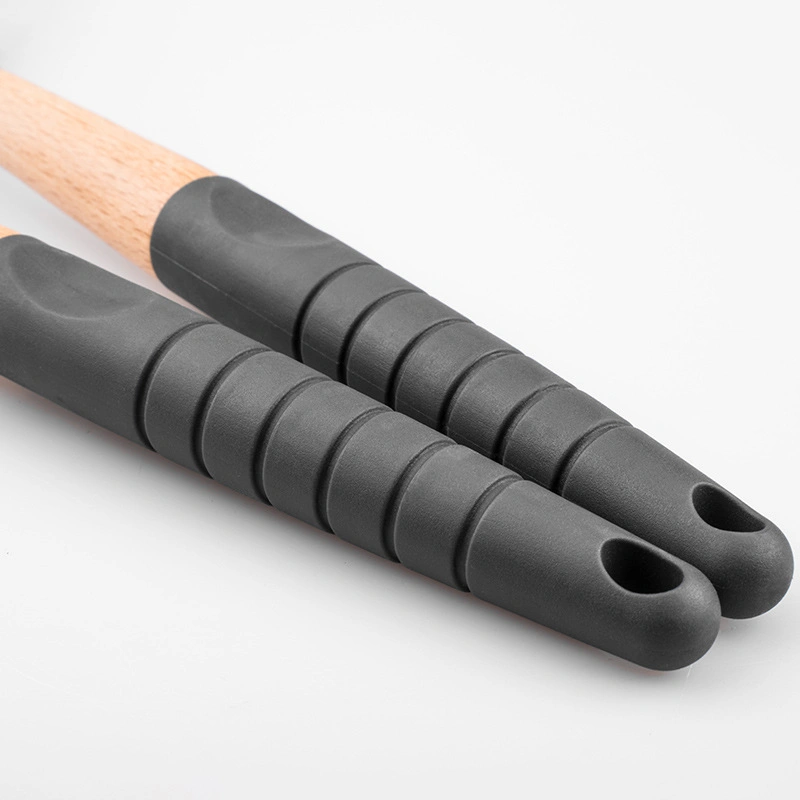 When considering the safety concerns of nylon versus silicone cooking utensils, it is essential to understand the distinct properties and potential risks associated with each material. Both nylon and silicone have become popular choices in modern kitchens due to their versatility and convenience. However, their safety profiles differ significantly, which can influence a consumer’s decision on which material to use.[/caption]
Nylon cooking utensils are typically made from a type of plastic known as polyamide. This material is favored for its durability, lightweight nature, and resistance to wear and tear. However, one of the primary safety concerns with nylon utensils is their heat resistance. Nylon can begin to degrade and release harmful chemicals when exposed to high temperatures, typically above 400°F (204°C). This degradation can result in the leaching of potentially toxic substances, such as bisphenol A (BPA) and other plasticizers, into food. Consequently, it is crucial to avoid using nylon utensils in high-heat cooking methods, such as frying or broiling, to mitigate these risks.
In contrast, silicone cooking utensils are made from a synthetic rubber-like material composed of silicon, oxygen, carbon, and hydrogen. Silicone is renowned for its exceptional heat resistance, withstanding temperatures up to 600°F (315°C) without melting or degrading. This makes silicone utensils a safer option for high-heat cooking applications. Additionally, silicone is non-reactive and does not leach harmful chemicals into food, even when exposed to extreme temperatures. This inert nature of silicone contributes to its reputation as a safer alternative to nylon in the kitchen.
Another aspect to consider is the potential for physical degradation. Nylon utensils, over time, can become brittle and prone to cracking, especially when subjected to repeated heating and cooling cycles. These physical changes can lead to small fragments breaking off and contaminating food. On the other hand, silicone utensils are more resilient and maintain their structural integrity over prolonged use. This durability reduces the likelihood of physical degradation and subsequent contamination.
Furthermore, the cleaning and maintenance of these utensils also play a role in their safety profiles. Nylon utensils can absorb oils and food particles, which may harbor bacteria if not cleaned thoroughly. The porous nature of nylon can make it challenging to sanitize completely, posing a potential health risk. Silicone utensils, however, are non-porous and do not absorb food particles or odors. This characteristic makes silicone easier to clean and less likely to harbor bacteria, contributing to a more hygienic cooking environment.
In addition to these considerations, it is worth noting the environmental impact of each material. Nylon is derived from petroleum, a non-renewable resource, and its production and disposal contribute to environmental pollution. Silicone, while also a synthetic material, is more environmentally friendly due to its longer lifespan and lower likelihood of ending up in landfills. Silicone utensils can be recycled, although the recycling process is more complex compared to other materials.
In conclusion, when evaluating the safety concerns of nylon versus silicone cooking utensils, it becomes evident that silicone offers several advantages over nylon. Silicone’s superior heat resistance, non-reactive nature, durability, and ease of cleaning make it a safer and more reliable choice for various cooking applications. While nylon utensils may still be suitable for low-heat tasks, the potential risks associated with high temperatures and physical degradation warrant careful consideration. Ultimately, prioritizing safety in the kitchen involves making informed decisions about the materials used in cooking utensils, with silicone emerging as a preferable option for those seeking to minimize health risks and ensure a safer cooking experience.
Cleaning And Maintenance: Nylon And Silicone Utensils
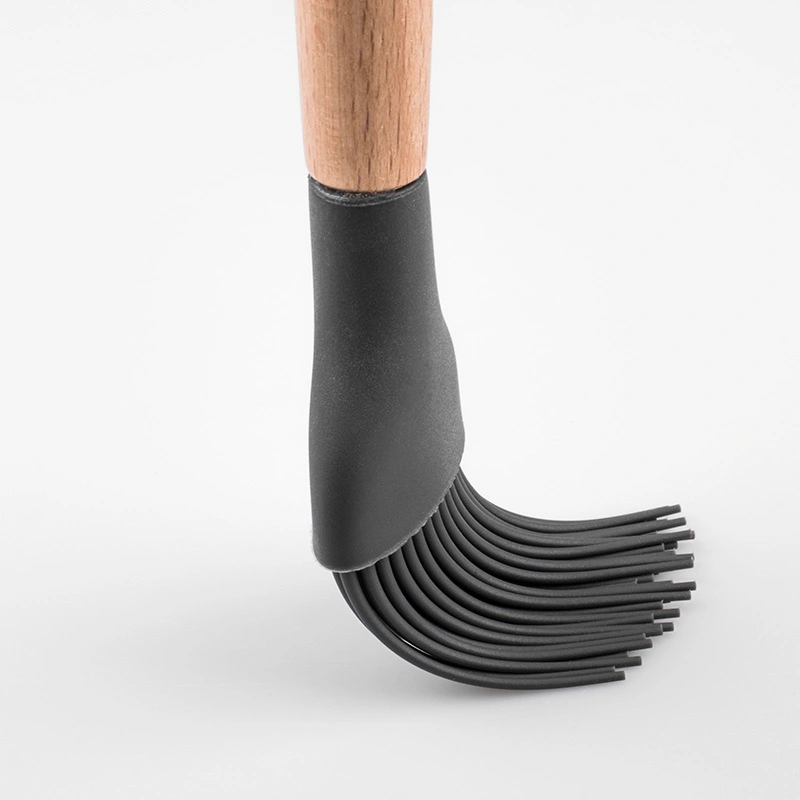 When it comes to maintaining the cleanliness and longevity of cooking utensils, understanding the differences between nylon and silicone options is crucial. Both materials offer unique advantages and challenges in terms of cleaning and maintenance, which can significantly impact their usability and lifespan in the kitchen.[/caption]
Nylon cooking utensils are known for their durability and resistance to high temperatures, making them a popular choice among home cooks and professional chefs alike. However, their maintenance requires careful attention to detail. Nylon utensils are generally dishwasher safe, which simplifies the cleaning process. Nevertheless, it is advisable to place them on the top rack of the dishwasher to avoid excessive heat exposure that could potentially warp or degrade the material over time. Hand washing nylon utensils with mild detergent and warm water is another effective method, ensuring that any food residues are thoroughly removed. It is important to avoid using abrasive scrubbers or harsh chemicals, as these can scratch the surface and compromise the integrity of the utensil.
In contrast, silicone cooking utensils offer a different set of benefits and considerations. Silicone is highly flexible, non-stick, and resistant to both high and low temperatures, making it an excellent choice for a variety of cooking tasks. Cleaning silicone utensils is generally straightforward, as their non-stick properties prevent food from adhering to the surface. Most silicone utensils are also dishwasher safe, and like nylon, they should be placed on the top rack to prevent potential damage from high heat. Hand washing silicone utensils is equally simple, requiring only mild detergent and warm water. The non-porous nature of silicone means that it does not retain odors or stains, which is a significant advantage over other materials.
Despite these similarities, there are notable differences in the maintenance of nylon and silicone utensils that should be considered. For instance, while both materials are resistant to high temperatures, silicone can typically withstand higher heat levels than nylon without melting or deforming. This makes silicone utensils particularly suitable for tasks involving direct contact with hot surfaces, such as stirring sauces or flipping pancakes. On the other hand, nylon utensils, while durable, may begin to degrade if exposed to temperatures exceeding their threshold, which is usually around 400°F (204°C).
Another aspect to consider is the potential for discoloration. Nylon utensils, especially those in lighter colors, may become discolored over time when exposed to certain foods, such as tomato sauce or turmeric. This discoloration does not necessarily affect the functionality of the utensil but can be aesthetically unpleasing. Silicone utensils, due to their non-porous nature, are less prone to staining and can maintain their appearance for a longer period.
In conclusion, both nylon and silicone cooking utensils offer distinct advantages in terms of cleaning and maintenance. Nylon utensils are durable and relatively easy to clean, but they require careful handling to avoid damage from high heat and abrasive materials. Silicone utensils, with their non-stick properties and resistance to extreme temperatures, provide a low-maintenance option that is less likely to stain or retain odors. Understanding these differences can help cooks make informed decisions about which type of utensil best suits their needs and preferences, ultimately enhancing their culinary experience