Table of Contents
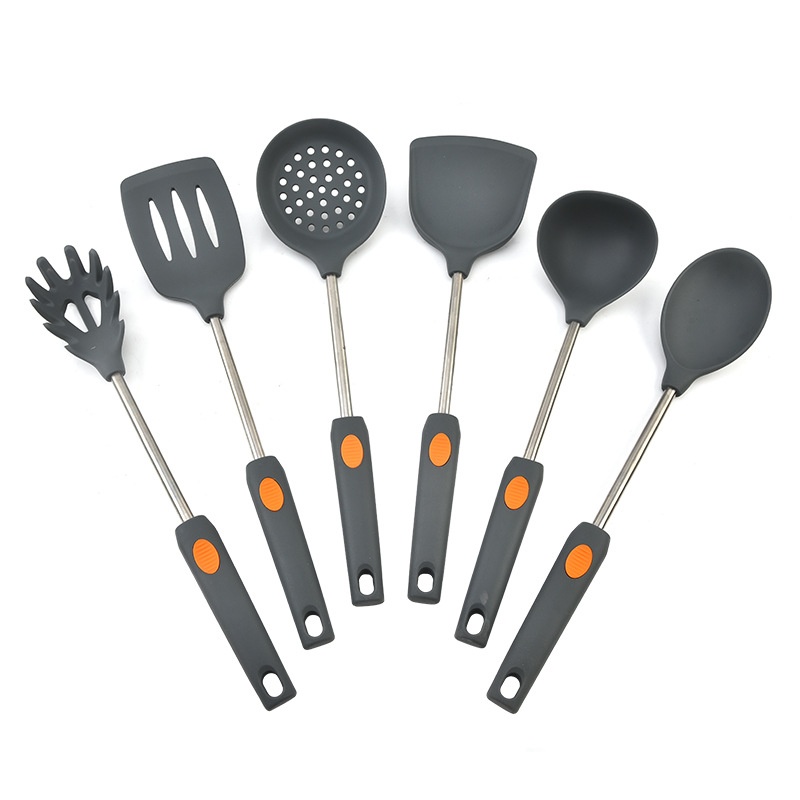
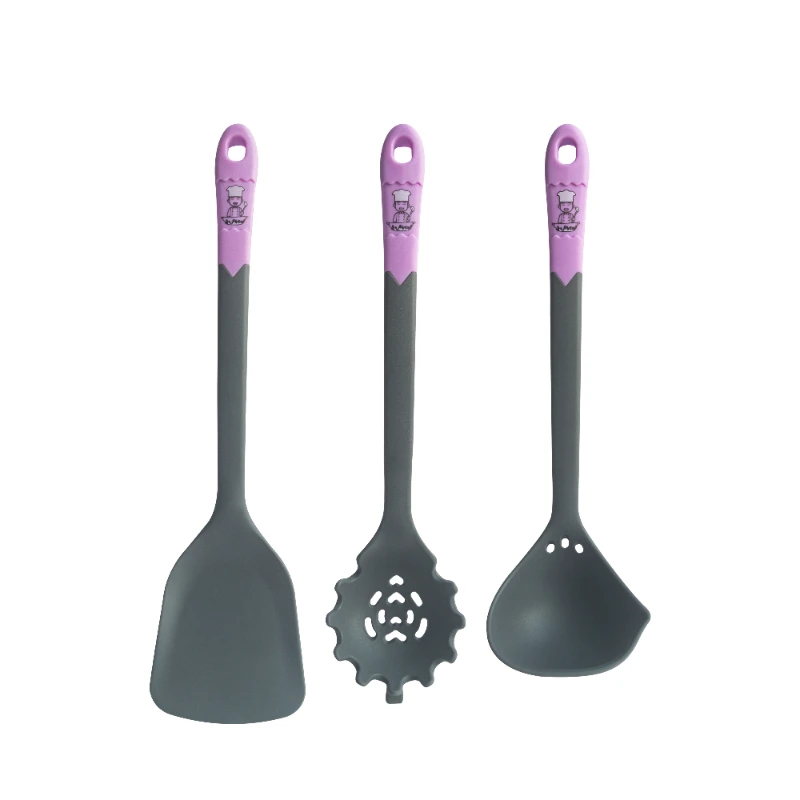
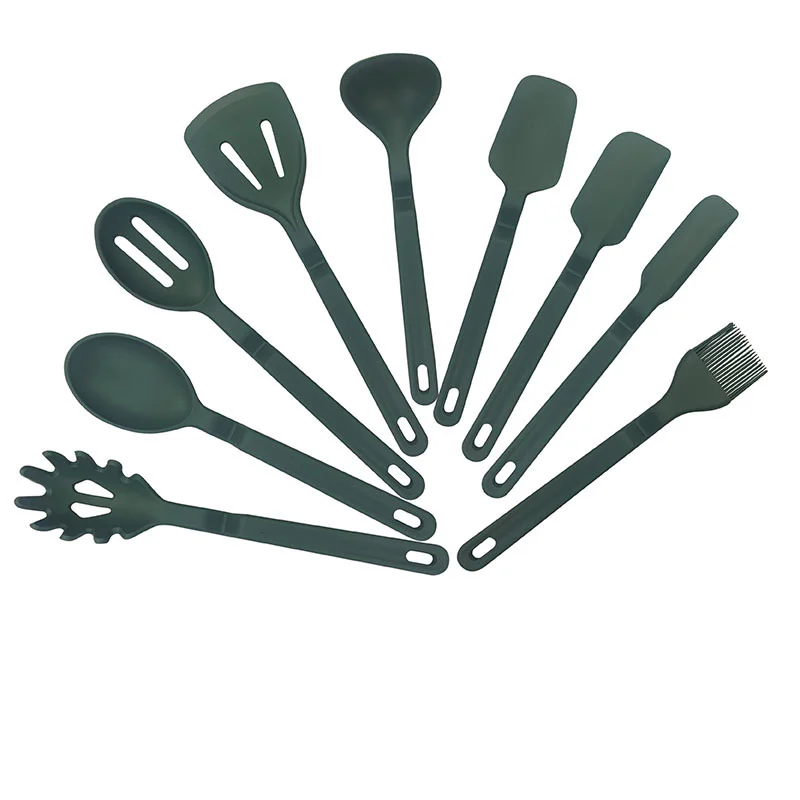
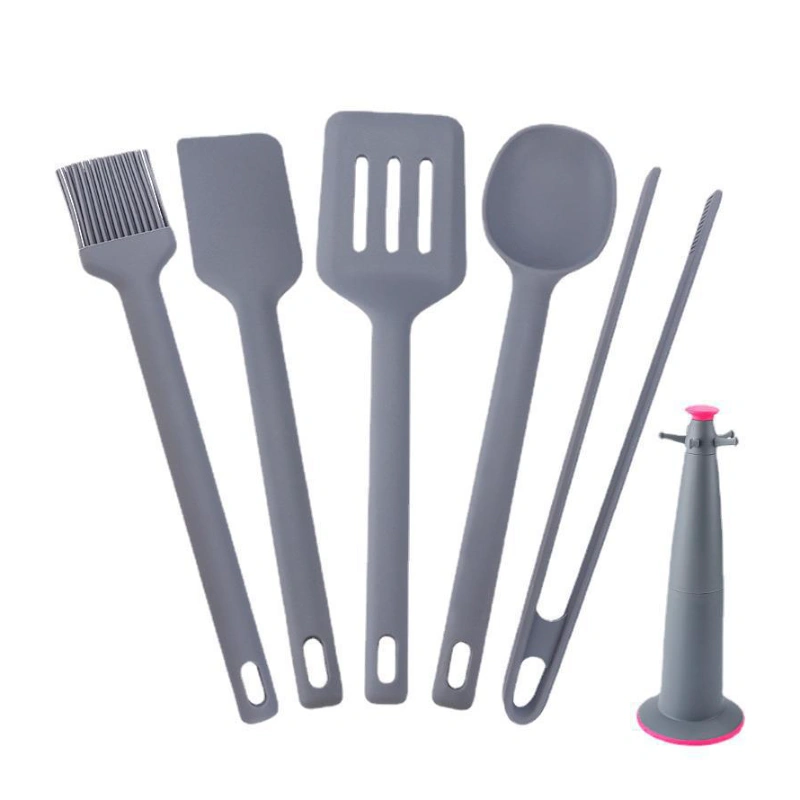
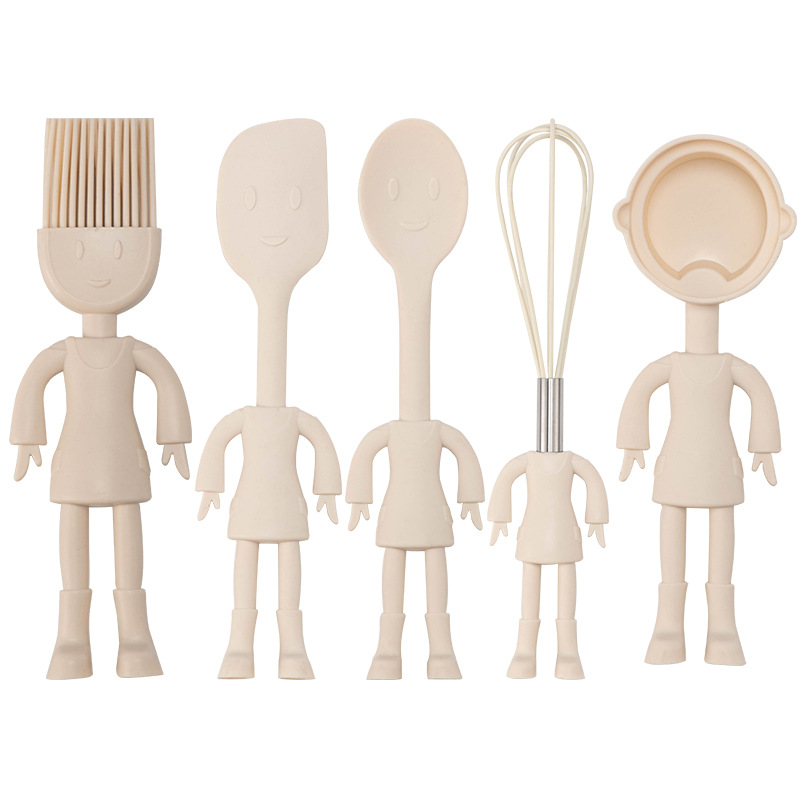
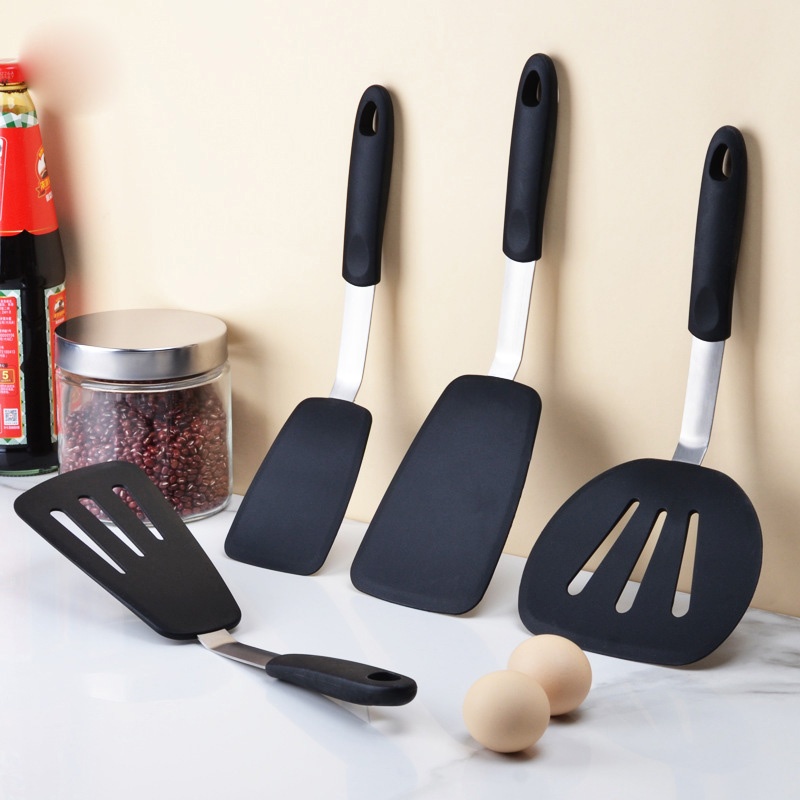
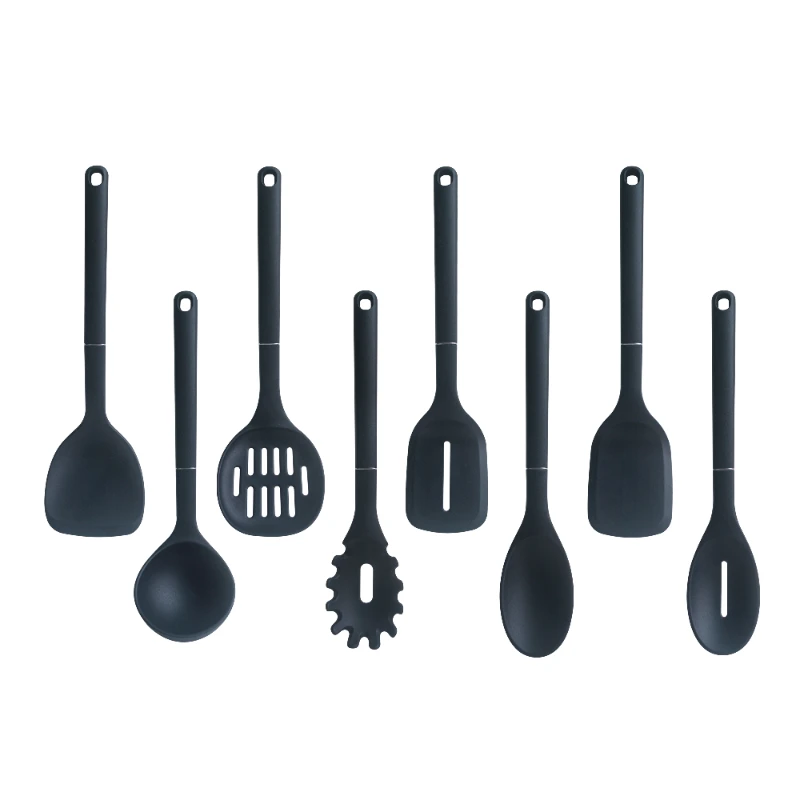
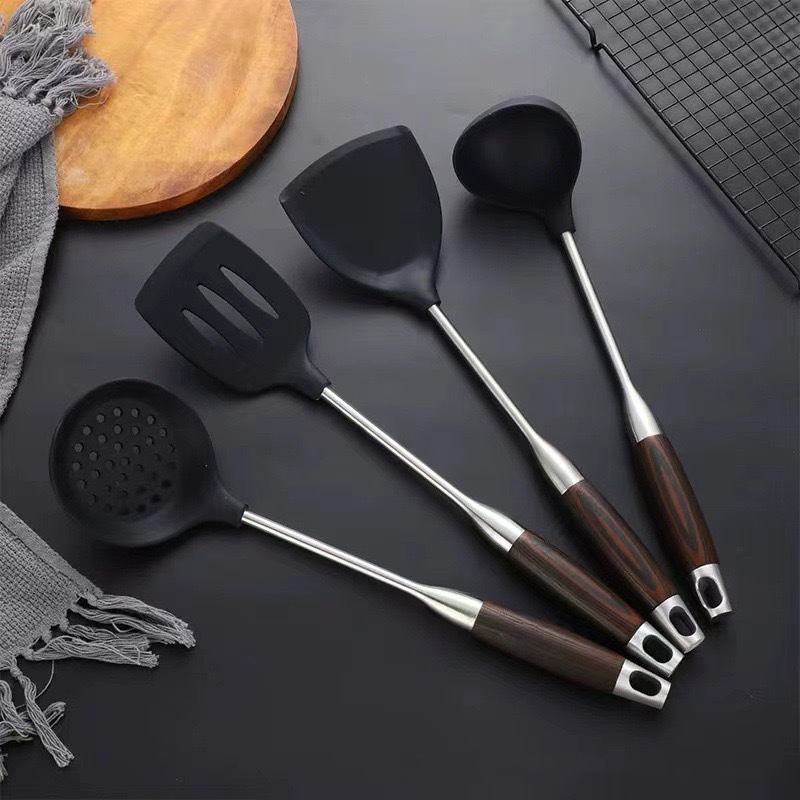
When sourcing kitchenware for the European market, one term appears again and again: LFGB Certified Silicone. This certification has become the benchmark for premium, food-safe silicone products—especially for suppliers and importers who value stringent safety, long-term durability, and compliance with European regulations. At Canzo Kitchenware, a professional Chinese factory specializing in wholesale kitchenware, we work with LFGB-compliant materials daily. Many of our European customers require lfgb silicone utensils, lfgb silicone cooking utensils, and lfgb certified silicone kitchen utensils, and we ensure every order meets those expectations.
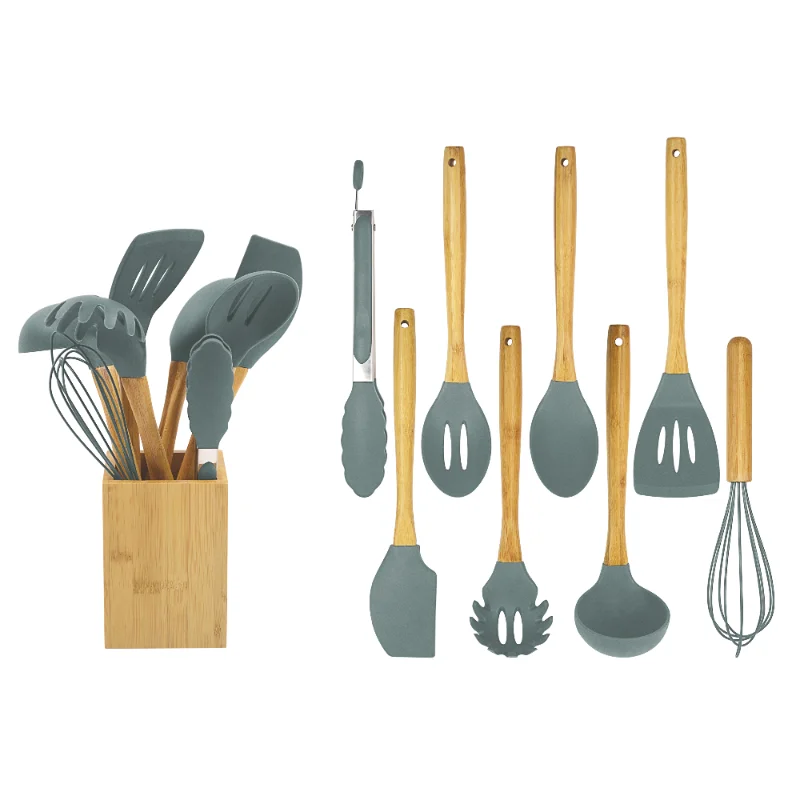
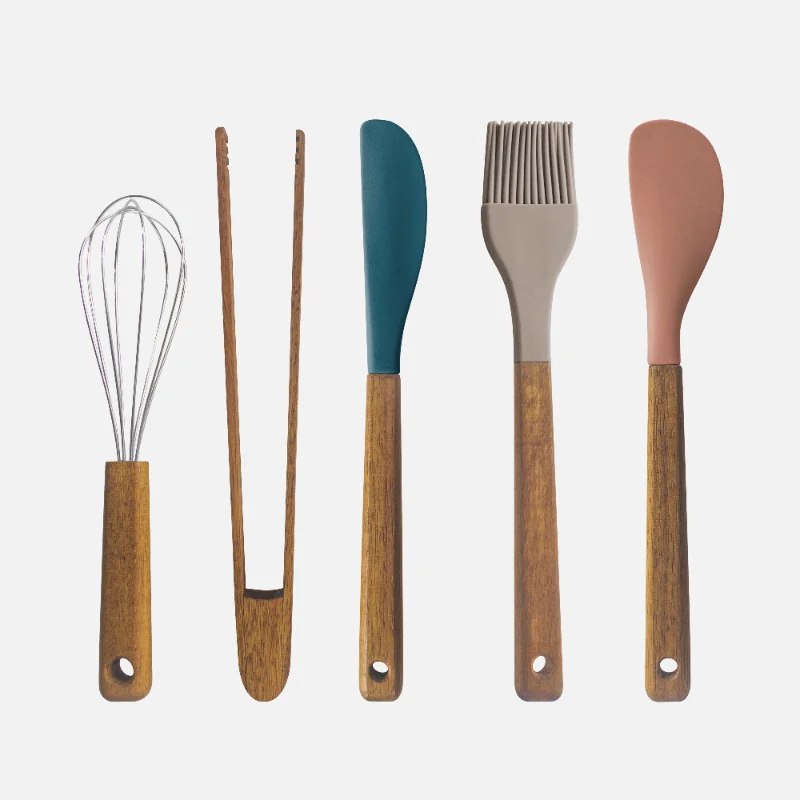
At Canzo Kitchenware, we specialize in producing and wholesaling premium kitchen utensils made from sustainable natural materials. In this guide, we’ll explore what makes the best wooden cooking utensils, which wood types perform the best, and how to properly care for them.
What Exactly Is LFGB Certified Silicone?
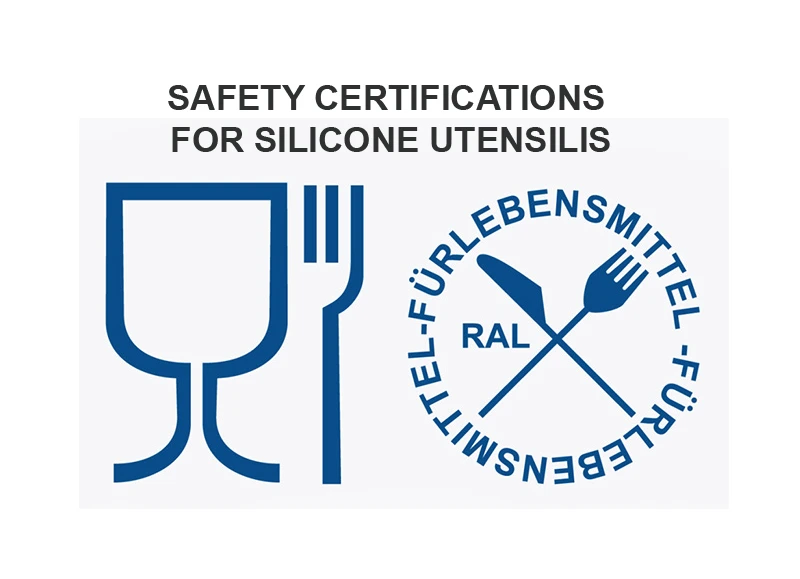
LFGB stands for Lebensmittel- und Futtermittelgesetzbuch, the German Food, Commodity and Feed Act. Silicone that carries this certification has passed the strictest material-safety standards in Europe for food-contact products.
Unlike basic silicone or standard FDA-approved silicone, LFGB certified silicone undergoes more rigorous testing to ensure it contains no harmful chemicals and will not transfer odors, flavors, or residues into food, even under high temperatures. Because of its purity, LFGB silicone is often referred to as platinum silicone, reflecting its use of platinum-based curing for superior safety and performance.
For brands that prioritize safety and compliance, using LFGB certified silicone has become a clear competitive advantage.
Key Characteristics of LFGB Silicone
1. Stricter and more comprehensive testing
LFGB testing is known for its depth and precision. Products must pass evaluations for:
Heavy metals
PAHs (polycyclic aromatic hydrocarbons)
VOCs (volatile organic compounds)
Odor and taste transfer
Overall material purity and stability
This scope goes far beyond the basic requirements of FDA testing, which mainly checks for general chemical migration.
The Best Wood for Kitchen Utensils
1. Stricter and more comprehensive testing
LFGB testing is known for its depth and precision. Products must pass evaluations for:
Heavy metals
PAHs (polycyclic aromatic hydrocarbons)
VOCs (volatile organic compounds)
Odor and taste transfer
Overall material purity and stability
This scope goes far beyond the basic requirements of FDA testing, which mainly checks for general chemical migration.
2. Higher purity and platinum curing
Most lfgb certified silicone cooking utensils use platinum curing instead of peroxide curing. Platinum curing offers:
Cleaner, more stable molecular structure
Better temperature resistance
No unpleasant chemical smell
Improved elasticity and lifespan
This is why LFGB silicone is widely referred to as the “gold standard” in Europe.
3. Superior safety for direct food contact
Because LFGB silicone does not leach chemicals or absorb odors, it is ideal for:
High-end cooking utensils
Baby feeding products
Reusable food-storage items
Bakeware
Kitchen accessories requiring long-term heat resistance
Consumers and retailers alike trust LFGB silicone for the highest level of material safety.
4. Preferred in European markets
While FDA certification is common in the United States, Canada, and Australia, LFGB requirements dominate in Germany and many EU countries. For importers targeting Europe, LFGB compliance is often a mandatory requirement.
5. Higher cost—but also higher value
LFGB silicone generally costs more due to:
Stricter testing protocols
Higher-purity raw materials
Platinum curing processes
Certified manufacturing standards
However, the long-term durability and safety greatly outweigh the added cost, especially for premium product lines.
Why LFGB Certification Matters for Your Brand
When a product is LFGB certified, it represents:
Superior food-contact safety
No harmful chemical migration
No odor or taste transfer
Stable performance under extreme temperatures
Higher customer trust and easier EU compliance
For retailers, wholesalers, and Amazon brands, this means fewer risks and fewer customer complaints—plus stronger marketing credibility.
How Canzo Kitchenware Supports Your LFGB Requirements
As a professional Chinese factory specializing in lfgb silicone utensils and lfgb certified silicone cooking utensils, we understand European compliance requirements better than most suppliers.
What we provide:
LFGB-grade silicone materials for all silicone kitchenware
Testing samples prepared according to your product specifications
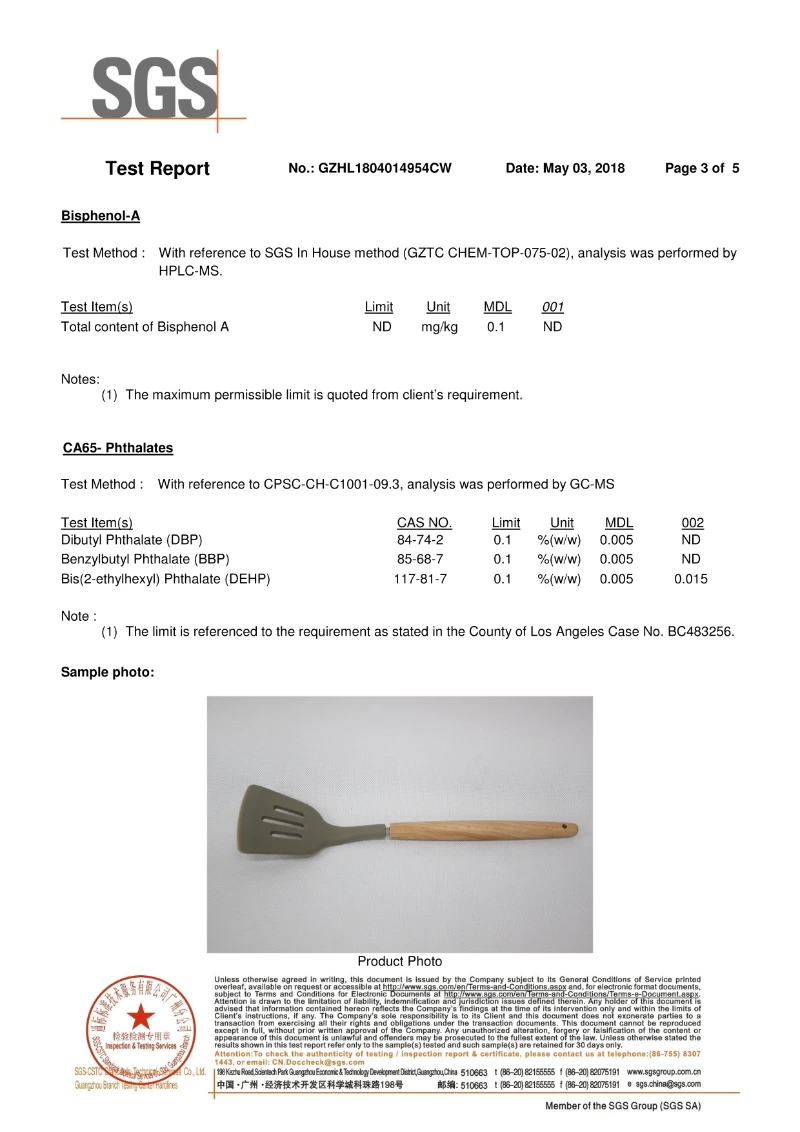
Coordination with SGS China for official LFGB testing
Product test reports issued directly by SGS
Cost savings by avoiding expensive local testing in Europe
For years, our European customers have trusted us to deliver kitchenware that fully meets LFGB standards—reliably, consistently, and efficiently.
Final Thoughts
LFGB certified silicone represents the highest standard of safety and quality for food-contact materials. If you need lfgb silicone cooking utensils or lfgb certified silicone kitchen utensils that meet the expectations of the European market, choosing LFGB-compliant materials is the best investment you can make.
At Canzo Kitchenware, we are ready to support your projects from sampling to SGS certification to mass production—ensuring that your products enter the EU market with full confidence and compliance.
FAQ: for LFGB Certified Silicone products
Q1: What does “LFGB certified silicone” mean for a kitchen utensil?
A: LFGB certified silicone meets Germany’s strict Lebensmittel- und Futtermittelgesetzbuch rules for food contact. It’s tested for heavy metals, PAHs, VOCs, and odor/taste transfer, and is typically platinum-cured for higher purity and heat stability.
Q2: How is LFGB silicone different from FDA silicone?
A: LFGB testing is broader and often more stringent than FDA testing, especially around PAHs, VOCs, and sensory transfer. LFGB is commonly required for the EU/German market; FDA covers U.S. regulatory needs.
Q3: Do you provide LFGB test reports?
A: Yes. We prepare test samples and coordinate testing with SGS China to obtain official LFGB reports, which we supply to customers—saving them the cost and delay of local EU testing.
Q4: Can I get a sample before placing a bulk order?
A: Absolutely. We offer testing samples and production samples. Sample lead time depends on customization but typically ranges from 5–14 days.
Q5: What documentation comes with an LFGB product?
A: Standard documentation includes the SGS LFGB test report, material spec sheet (silicone grade, platinum-cured), and production/packing photos. Additional certificates can be arranged on request.
Q6: What are the minimum order quantities (MOQ) and lead times?
A: MOQ varies by product and customization level. For stock designs MOQ is lower (e.g., hundreds); custom molds/colors/logos usually require higher MOQ. Production lead times range from 20–45 days after sample approval, depending on order size.
Q7: Can you customize LFGB silicone utensils (colors, logos, packaging)?
A: Yes. We provide full OEM/ODM services: custom colors, branded handles, silicone stamping/laser logo, and customized retail or bulk packaging—while maintaining LFGB-compliant materials.
Q8: Are LFGB silicone products safe for baby items and high-temperature use?
A: Yes. LFGB-certified, platinum-cured silicone is suitable for baby feeding items, bakeware, and utensils that undergo repeated heat exposure. It resists leaching, odors, and retains performance at high temperatures.
Q9: Will LFGB certification increase product cost?
A: LFGB materials and testing do add cost compared to basic silicone products due to higher-quality raw materials and comprehensive testing; however, the added value includes market access to Europe and stronger consumer trust.
Q10: How do you handle post-sale quality or compliance questions?
A: We maintain traceable production records, conductivity checks, and can assist with additional testing or documentation requests. Our QC team inspects shipments before dispatch and we provide after-sales support for compliance queries.