Table of Contents
When it comes to cooking, choosing the right utensils matters—not only for functionality but also for health and safety. Among them, the spatula is one of the most frequently used tools in any kitchen. But what is the healthiest material for spatulas? With options like silicone, wood, stainless steel, and plastic, each has unique pros and cons. In this article, we’ll help you find the healthiest spatula for your cooking style and modern kitchen needs.
1. Silicone Spatulas — The Modern, Safe, and Versatile Choice
Silicone spatulas have become increasingly popular in recent years — and for good reason.
Health & Safety:
High-quality food-grade silicone is BPA-free, non-toxic, and can withstand high temperatures without melting or releasing harmful substances. It’s flexible yet durable, making it ideal for non-stick cookware.
Functionality:
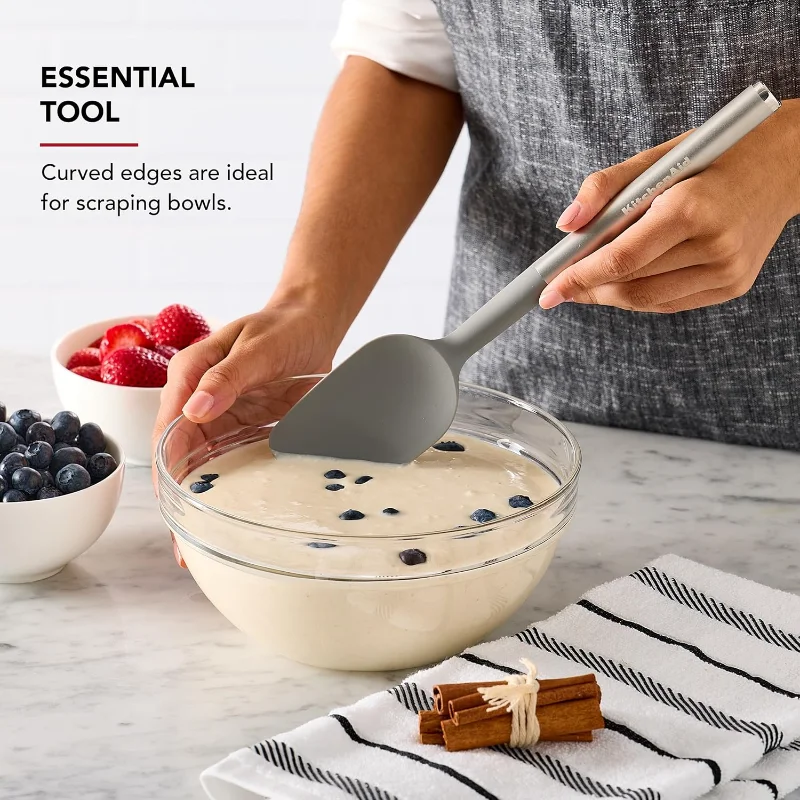
Silicone spatulas glide smoothly without scratching surfaces and are easy to clean — yes, most silicone spatulas are dishwasher safe.
Design Appeal:
Available in a wide range of Pantone-matched colors, silicone spatulas also look modern and stylish — perfect for contemporary kitchens.
Verdict:
Silicone is widely considered the healthiest material for spatulas for everyday cooking, especially when paired with non-stick cookware.
2. Wooden Spatulas — Natural and Gentle on Cookware
Wooden spatulas have a timeless charm and are loved by traditional cooks.
Health & Safety:
Wood is a natural and eco-friendly material that doesn’t leach chemicals into food. However, it requires proper care — avoid soaking it in water for too long to prevent bacteria buildup.
Functionality:
Wooden spatulas are gentle on all types of cookware but not suitable for high-heat frying or dishwashers.
Aesthetic Value:
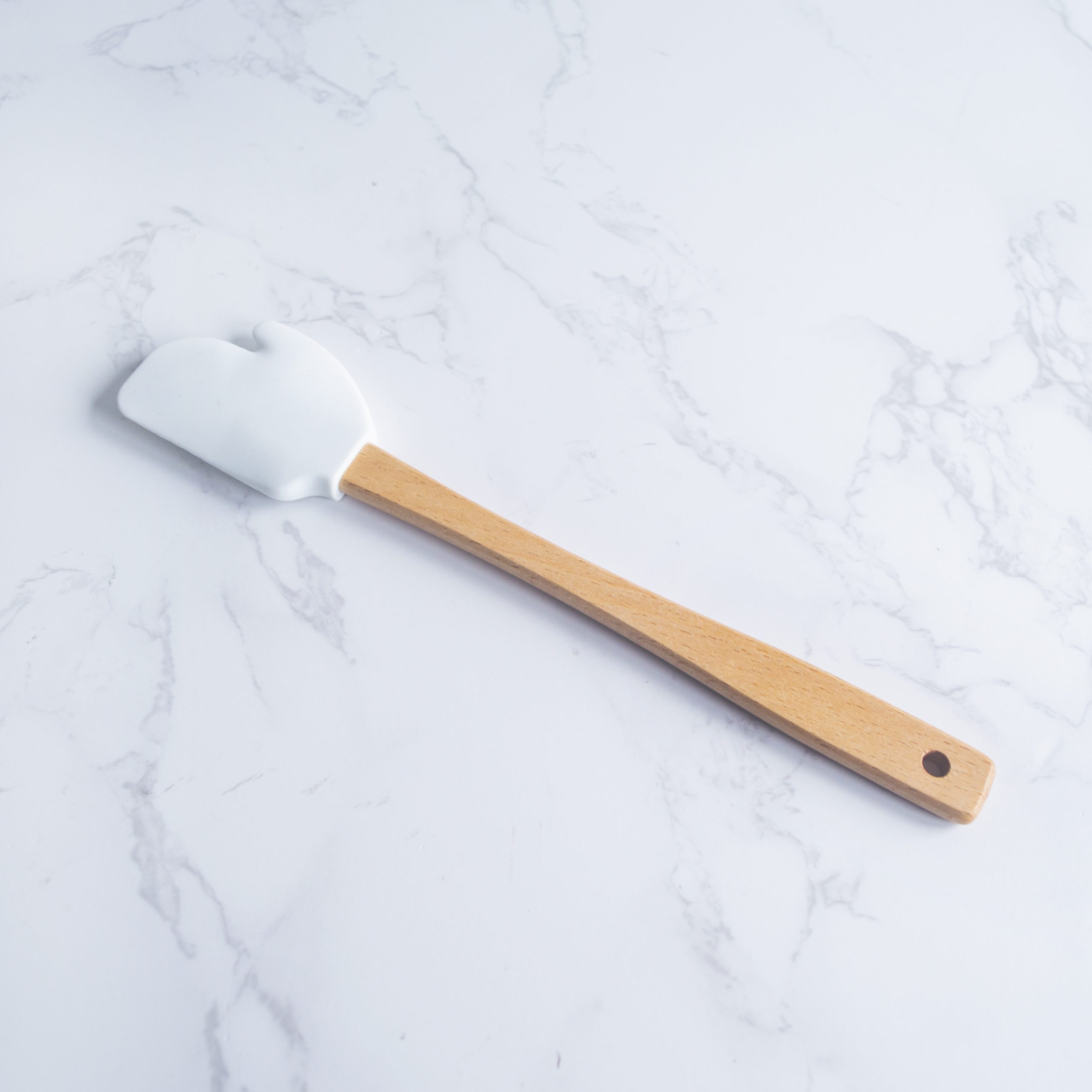
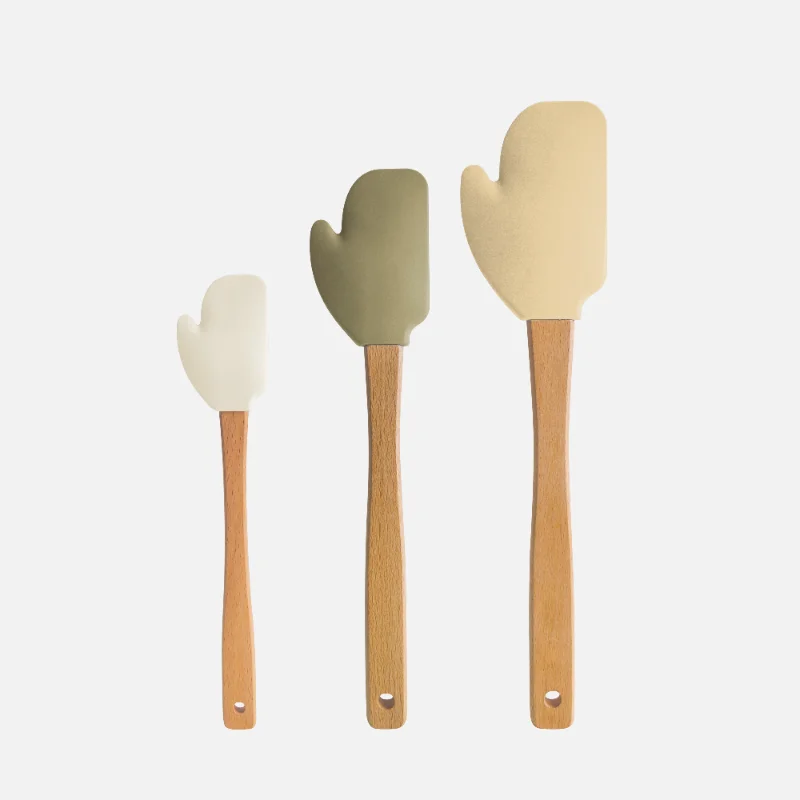
The organic look of wood adds warmth to your kitchen and pairs beautifully with silicone heads for a mixed-material design.
Verdict:
Wood is a healthy, sustainable choice when properly maintained, ideal for gentle cooking and serving.
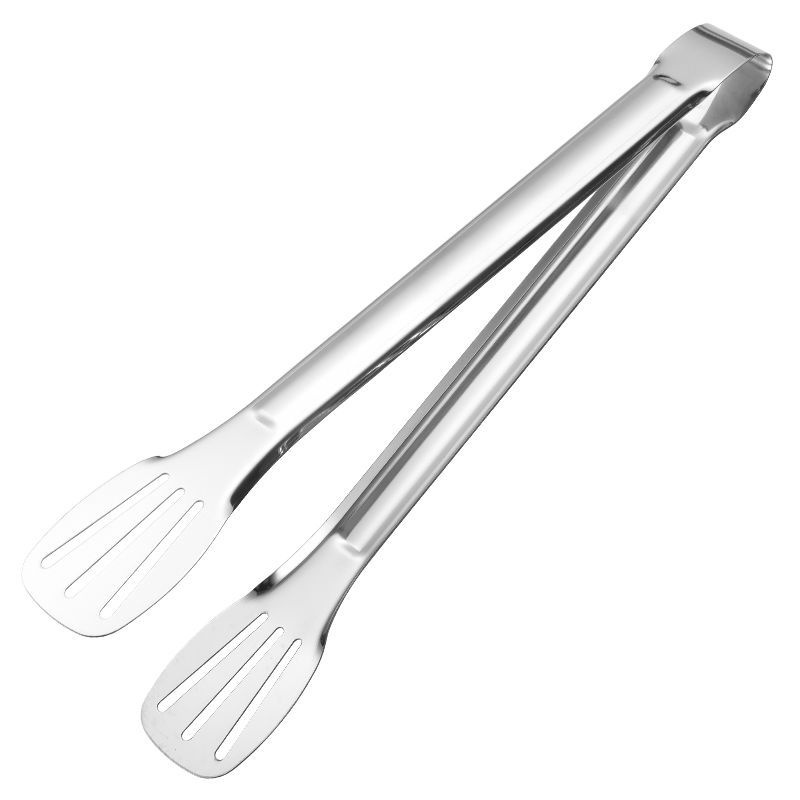
3. Stainless Steel Spatulas — Strong and Hygienic
Stainless steel is the go-to for professional chefs and heavy-duty cooking.
Health & Safety:
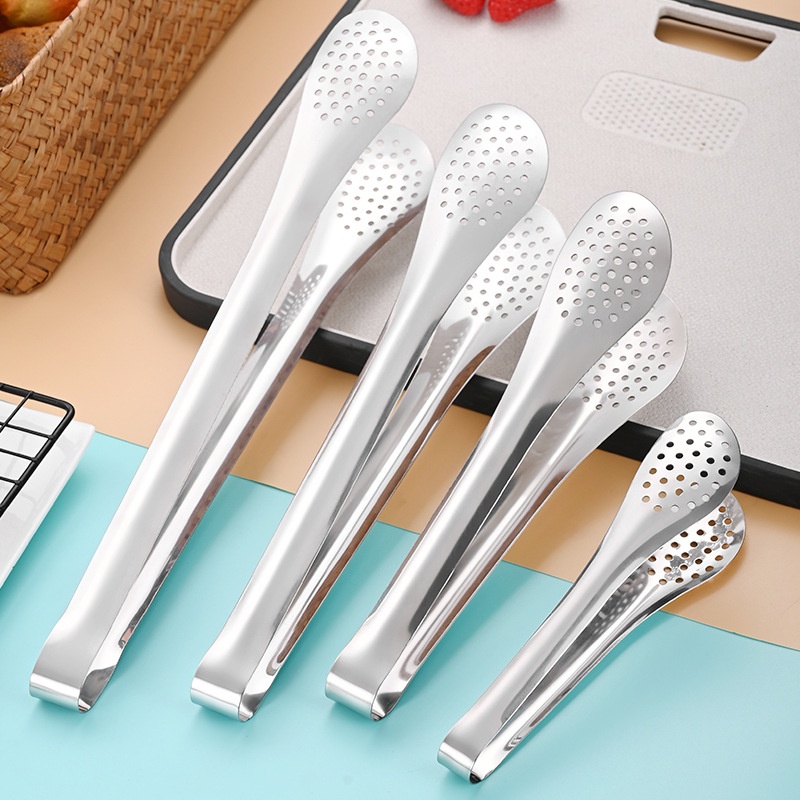
It’s non-reactive, rust-resistant, and doesn’t absorb odors — making it one of the safest and most hygienic spatula materials.
Functionality:
Perfect for grilling or flipping heavier foods, though it can scratch non-stick pans if used carelessly.
Design Appeal:
Sleek and modern, stainless steel spatulas convey a premium professional look.
Verdict:
An excellent option for heavy cooking or high-heat applications — but not the best for non-stick cookware.
4. Plastic Spatulas — Affordable but Not Ideal for Health
Plastic spatulas are lightweight and budget-friendly, but they’re not the healthiest option.
Health Concerns:
Many plastics contain BPA or other chemicals that can leach into food, especially when exposed to high heat.
Durability:
They warp easily and are not eco-friendly.
Verdict:
Plastic spatulas are convenient but should be avoided for frequent cooking or high-heat use.
5. Modern Trend: Combining Multiple Materials
Today’s modern kitchenware often blends materials to achieve both functionality and style. For example:
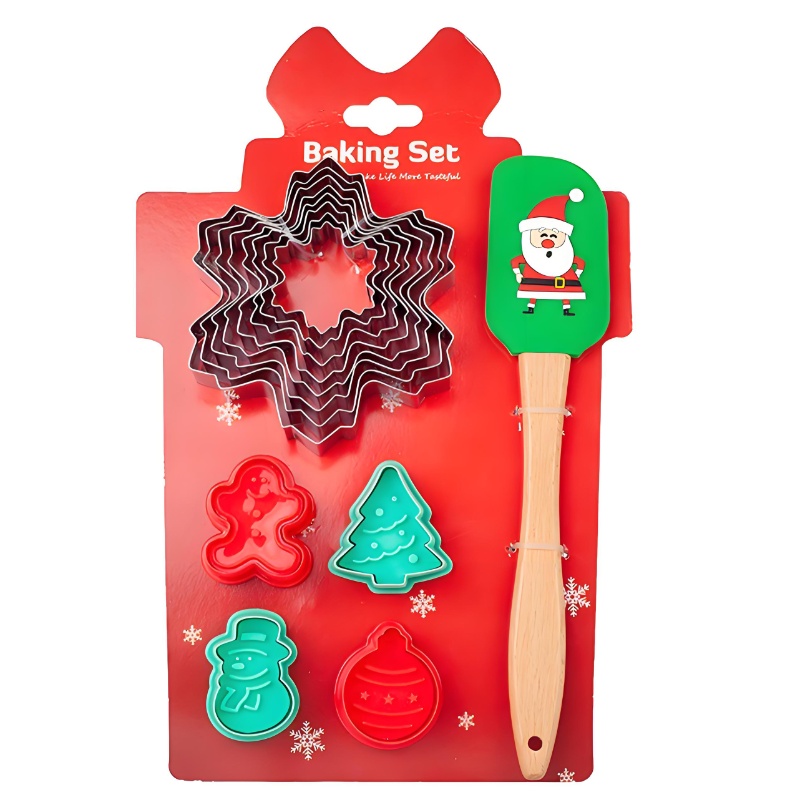
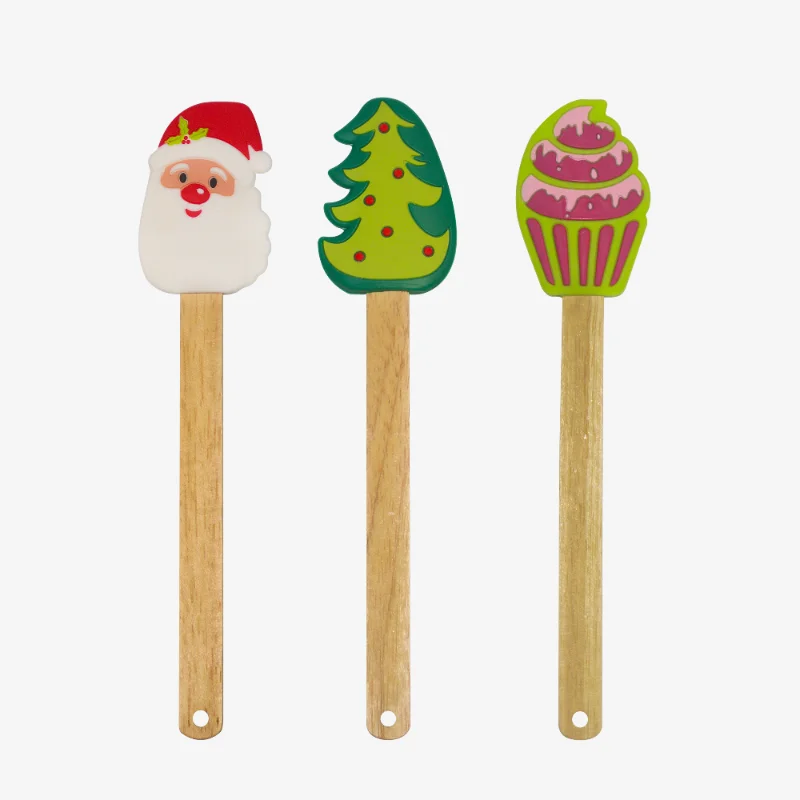
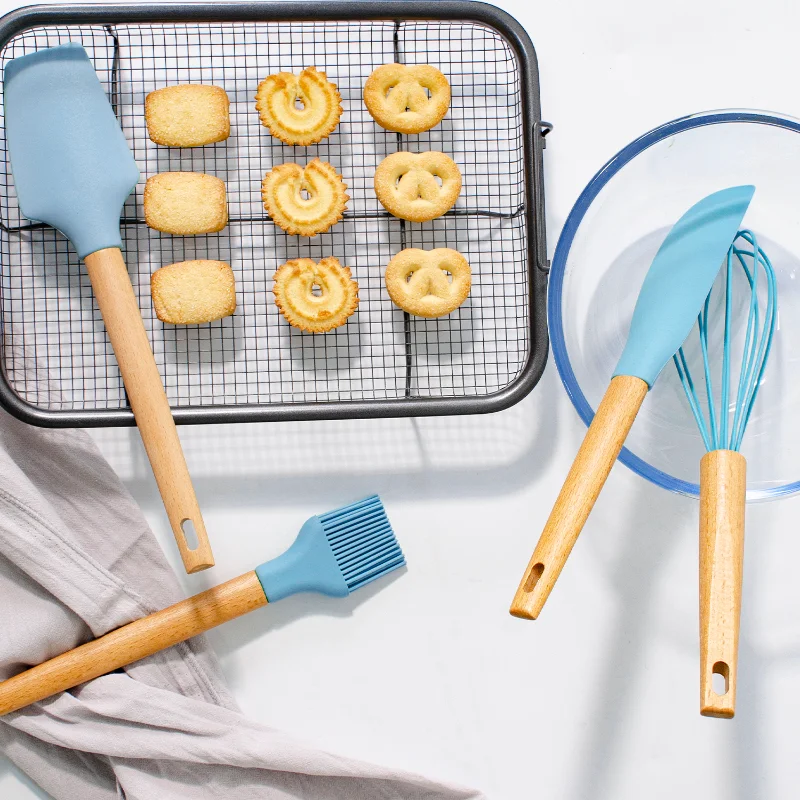
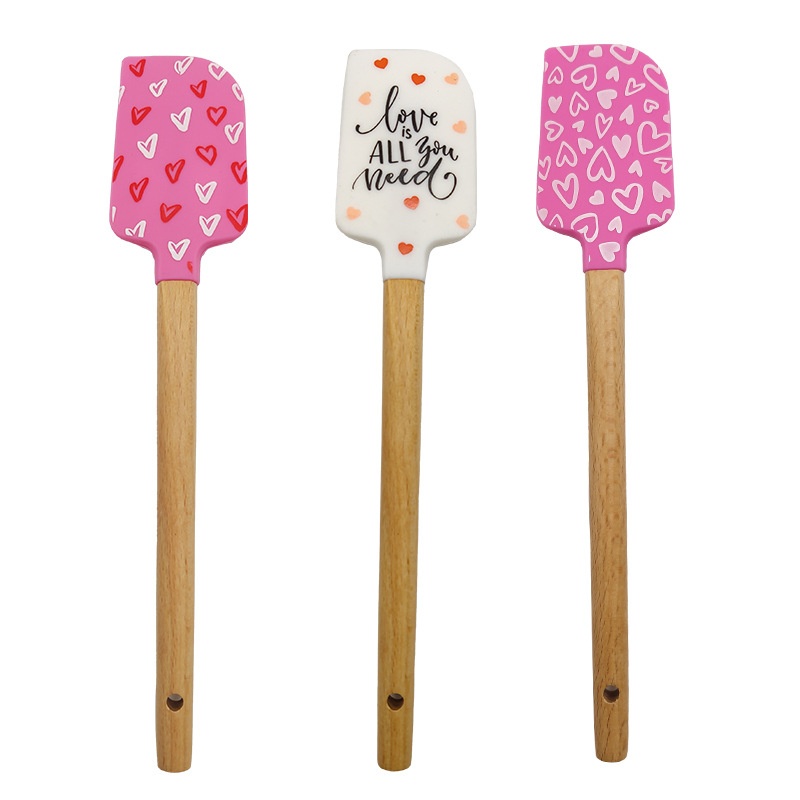
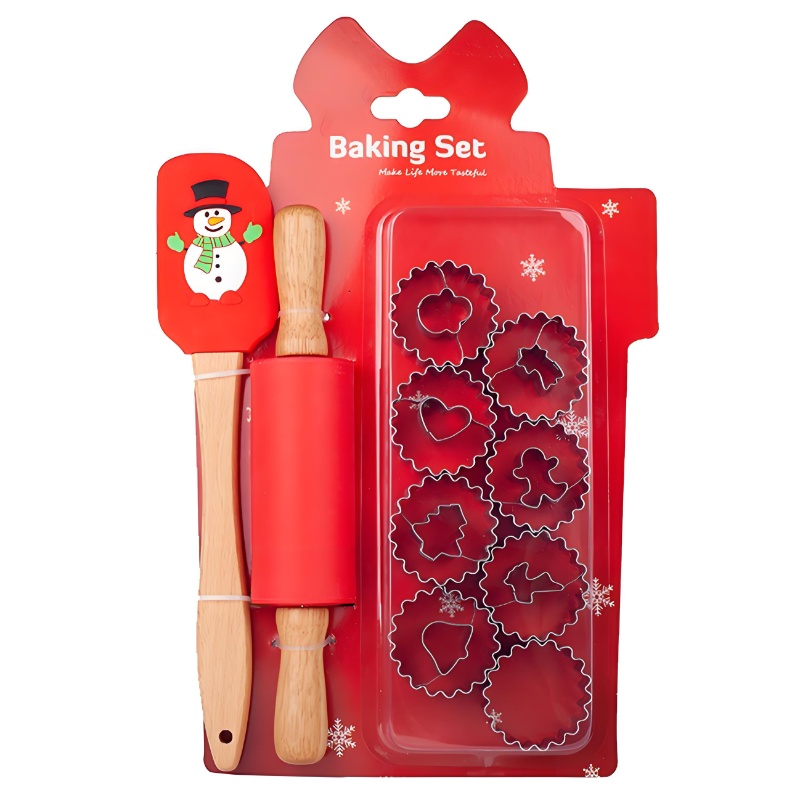
Silicone head + wooden handle: Combines non-stick safety with a warm, natural touch.
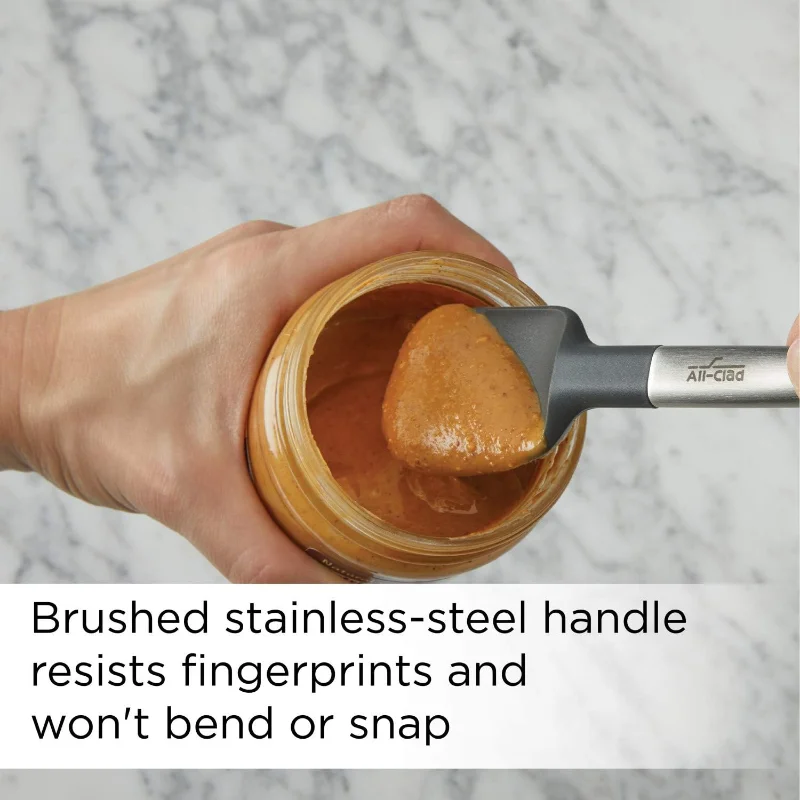
Silicone head + stainless steel handle: Sleek design and durability for modern kitchens.
Silicone head + plastic handle: Lightweight and cost-effective for casual cooking.
This multi-material trend gives you the healthiest spatula without compromising on comfort or aesthetics.
6. Why Choose Canzo Kitchenware for Silicone Spatulas
As a leading OEM/ODM kitchenware manufacturer in China, Canzo Kitchenware specializes in producing custom silicone spatulas and other high-quality silicone kitchen tools for global brands, wholesalers, and importers.
Production Time
Standard lead time: 25–35 days after sample approval
Rush orders: Available upon request for urgent shipments
Payment Terms
30% deposit, 70% balance before shipment (T/T)
Flexible options available for long-term partners
Samples
Sample available: Yes, Canzo Kitchenware provides free or low-cost silicone spatula samples for quality evaluation.
Sample lead time: Around 5–7 days with existing molds; custom mold samples within 10–15 days.
Certifications & Testing
All silicone spatulas are made from FDA and LFGB food-grade silicone.
Canzo Kitchenware provides SGS, LFGB, and REACH test reports upon request.
Customization Services
Custom color, logo, handle material, and packaging (FSC, eco-friendly kraft box, or color box).
Support for CMYK printing and OEM/ODM branding.
Whether you need wholesale, private-label, or fully customized spatulas, Canzo Kitchenware offers one-stop production and export services with global DDP shipping options.
Conclusion: Which Is the Healthiest Material for Spatulas?
When choosing the healthiest spatula, food-grade silicone stands out as the best all-round option — heat-resistant, non-toxic, durable, and easy to clean. Wooden spatulas remain a great natural alternative, while stainless steel excels in durability and hygiene for high-heat cooking.
For a modern home, the ideal solution might be a hybrid spatula — a silicone head paired with a wooden or stainless-steel handle, offering the perfect balance of safety, comfort, and style.
FAQ
Q1: What is the healthiest material for spatulas?
Food-grade silicone is the healthiest choice — non-toxic, BPA-free, and heat-resistant.
Q2: What is Canzo Kitchenware’s lead time for silicone spatulas?
Typically 25–35 days after sample confirmation.
Q3: Does Canzo Kitchenware provide spatula samples?
Yes, samples can be provided for quality inspection before mass production.
Q4: What certifications do Canzo silicone spatulas have?
All products meet FDA and LFGB standards, with SGS and REACH reports available.
Q5: What are the payment terms for bulk orders?
Normally 30% deposit and 70% before shipment via T/T, with flexible terms for long-term clients.