What Types Of Plastic Are Suitable For Kitchen Utensils?

Write by Paul Ren

With 16 years of experience in international trade and a deep understanding of kitchenware production, I aim to make every collaboration smooth, efficient, and enjoyable. If you’re looking for a reliable custom kitchenware factory in China, I’d love to connect and explore how Canzo can support your business growth.

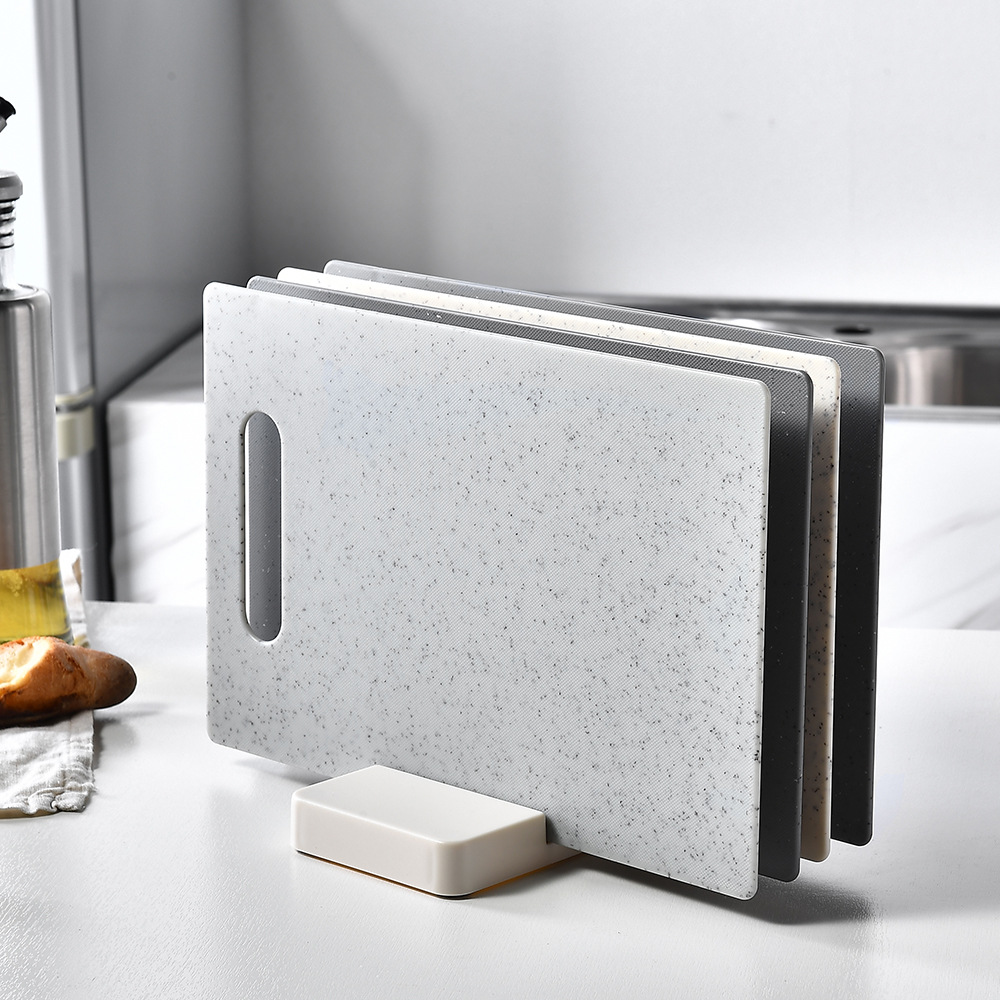
Table of Contents

If you’ve ever gone down a Reddit rabbit hole about cutting boards or kitchen utensils, you’ll notice one common sentiment — everyone has strong opinions. Wood purists swear by their maple and walnut boards, stainless steel fans love the durability, and others want something dishwasher-safe and lightweight.

At Canzo Kitchenware, a professional OEM/ODM manufacturer of kitchenware in China, we understand these debates deeply — because we actually make all kinds of cutting boards, utensils, and tools from wood, metal, silicone, and yes — plastic.

But here’s the thing: not all plastics are the same. “Plastic” has become a general term, but it actually covers a wide family of materials with very different properties. Let’s break them down.

1. Wheat Straw Plastic — The Eco-Friendly Alternative

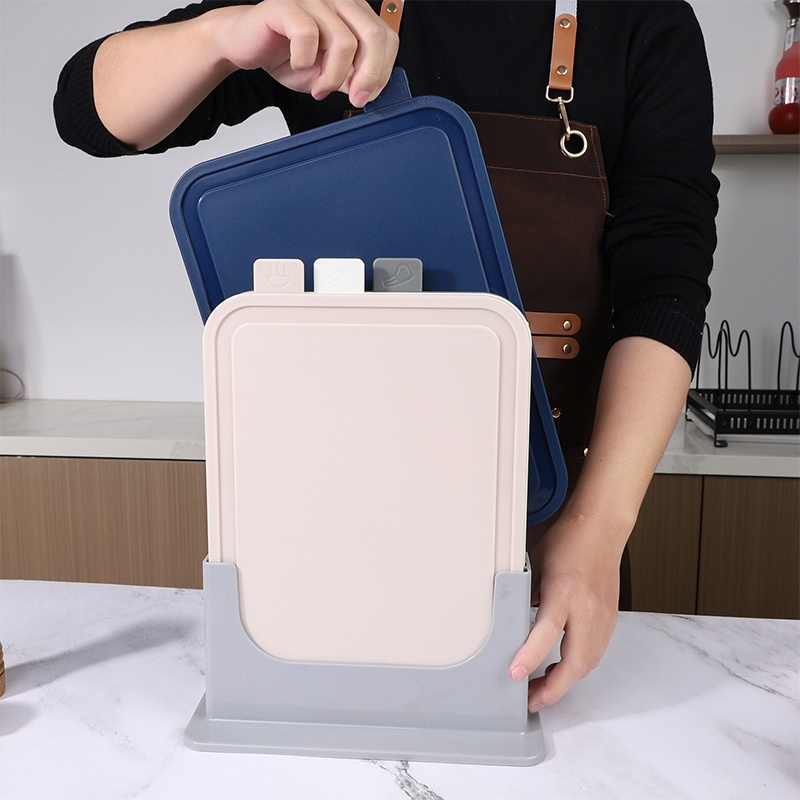
Wholesale Kitchen Cutting Boards Plastic Supplier

Wheat straw plastic is gaining popularity as a sustainable replacement for traditional PP or PE. It’s made by mixing natural wheat straw fibers (a byproduct of grain harvesting) with food-grade polymer resin.

Why people love it:

  • Eco-conscious choice: reduces agricultural waste and uses less petroleum-based plastic.

  • Lightweight but sturdy: perfect for kids’ dinnerware, lunch boxes, and kitchen tools.

  • Dishwasher safe: can withstand up to 120°C, depending on formulation.

  • Attractive natural look: matte surface, pastel colors, and a smooth, organic texture.

Wheat straw kitchenware — such as plates, cups, cutting boards, and utensil handles — is an excellent middle ground for people who want something “greener” but still durable and easy to clean.

2. PP (Polypropylene) — The All-Round Kitchen Hero

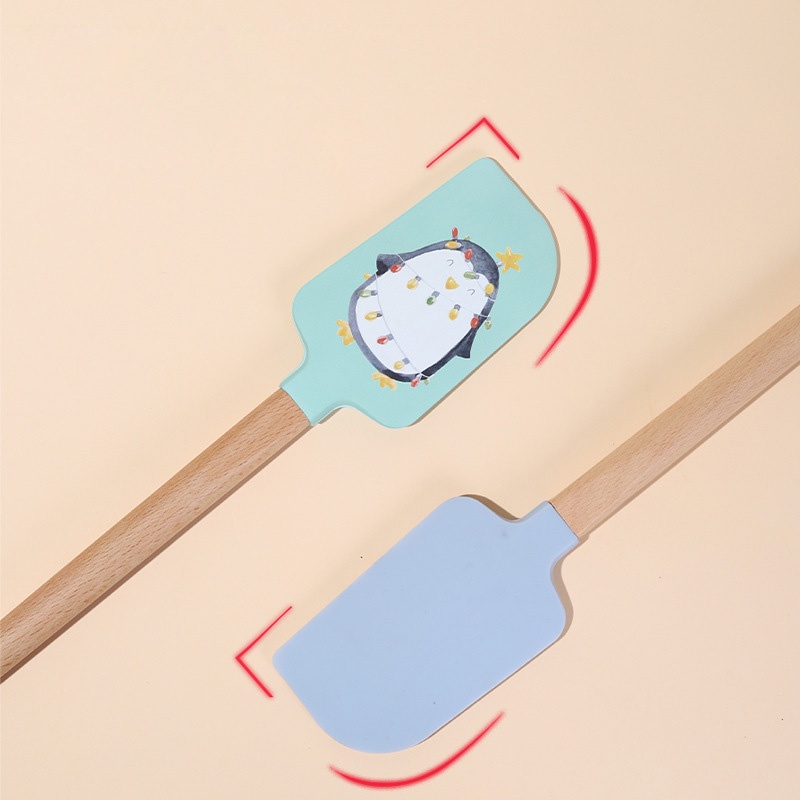
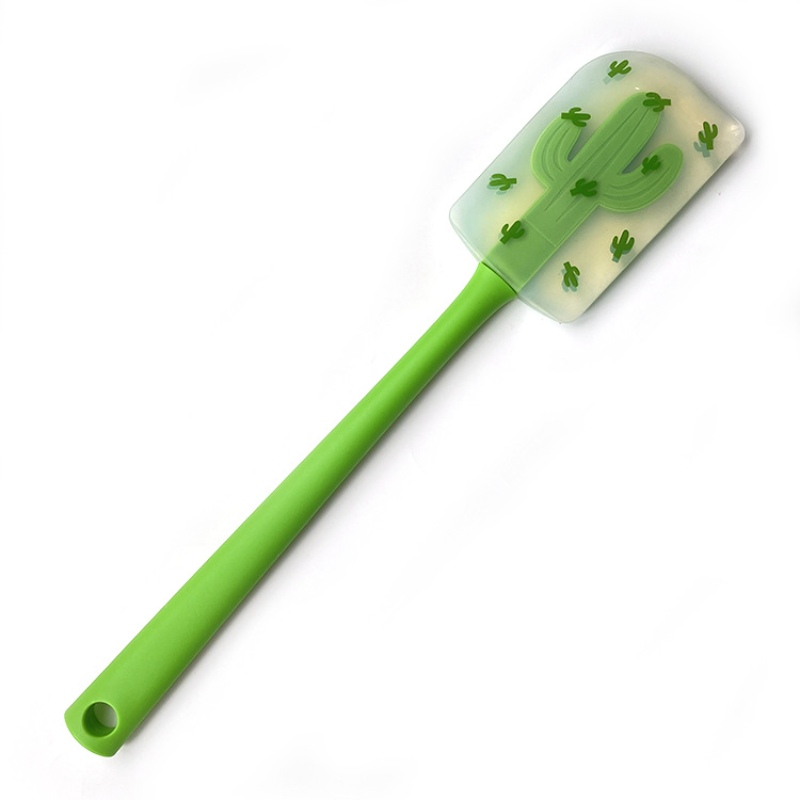
PP, or polypropylene, is one of the most common plastics in kitchenware today. You’ll find it in spatulas, measuring cups, food containers, and — yes — cutting boards.

Advantages of PP kitchenware:

  • Dishwasher-safe & heat-resistant: can usually handle up to 120°C.

  • Non-toxic and BPA-free: widely used in food-contact products.

  • Tough yet lightweight: doesn’t crack easily if dropped.

  • Resists staining and odors: ideal for repeated use in home or professional kitchens.

PP is especially good for flexible cutting boards or stackable utensil sets, since it’s cost-effective and easy to color-match — perfect for branding or private label customization.

At Canzo Kitchenware, we can also customize PP products with your logo, color, and CMYK-printed packaging — making it a favorite among our B2B clients.

3. PE (Polyethylene) — The Professional’s Choice for Cutting Boards

If you’ve ever seen those thick white cutting boards in commercial kitchens — that’s usually HDPE (High-Density Polyethylene).

Why professionals love PE:

  • Excellent knife-friendliness: doesn’t dull blades like glass or metal.

  • Extremely durable: can take years of abuse before needing replacement.

  • Dishwasher and bleach safe: perfect for hygiene in restaurants.

  • Non-porous surface: prevents bacteria absorption.

In many hospitality supply stores, “professional-grade plastic” refers to PE. It’s the workhorse material in the foodservice industry — strong, reliable, and fully compliant with FDA food safety standards.

For home users who want something dishwasher-safe, affordable, and knife-friendly, PE boards are still one of the best choices.

4. TPU (Thermoplastic Polyurethane) — The New Flexible Favorite

Custom Plastic Cutting Boards Set Supplier 1

TPU is a modern, elastic plastic that sits between silicone and hard plastics. It’s soft, flexible, and durable, which makes it perfect for grip handles, non-slip mats, and foldable cutting boards.

Advantages of TPU kitchenware:

  • Flexible yet strong: can bend without cracking.

  • Anti-slip texture: great for cutting mats or utensils with grip zones.

  • Stain and odor resistant: doesn’t absorb food smells.

  • High heat tolerance: safe for boiling water and dishwashers.

You’ll see TPU used more often in premium utensil designs, because it gives that nice soft-touch finish while being food-safe and durable.

So, Which Plastic Is “Best”?

There’s no one-size-fits-all answer — each plastic serves a different kitchen need:

MaterialBest ForKey StrengthsDishwasher Safe?
Wheat Straw PlasticEco-friendly utensils, kids’ setsNatural look, sustainable Yes
PP (Polypropylene)Everyday utensils, containersDurable, colorful, cost-effective Yes
PE (Polyethylene)Cutting boards, professional kitchensKnife-friendly, ultra-strong Yes
TPU (Thermoplastic Polyurethane)Non-slip utensils, flexible matsSoft, flexible, high-end feel Yes

Final Thoughts

While Reddit debates often lean toward “wood-only” for cutting boards, modern plastic kitchenware has evolved tremendously. The newer plastics — especially PP, PE, TPU, and wheat straw blends — are safe, stylish, and more sustainable than ever before.

At Canzo Kitchenware, we manufacture and export high-quality plastic kitchen products to global wholesalers and brands. Whether you’re sourcing custom wheat straw utensils, TPU cutting mats, or PE commercial-grade boards, we provide:

  • OEM/ODM design service

  • Custom logo & packaging (CMYK printing)

  • SGS / FDA / LFGB certification

  • DDP shipping options worldwide

FAQ

Q1: Are PP and PE kitchenware safe for food contact?
Yes. Both PP (Polypropylene) and PE (Polyethylene) are food-grade, BPA-free materials widely approved by the FDA and LFGB for direct food contact.

Q2: What is wheat straw plastic made of?
Wheat straw plastic combines natural wheat straw fiber with food-safe polymer resin, making it more eco-friendly and sustainable than traditional plastics.

Q3: Are these plastic kitchenware items dishwasher-safe?
Yes. Most Canzo Kitchenware products made of PP, PE, TPU, or wheat straw plastic are heat-resistant and safe for dishwashers up to 120°C.

Q4: Can I customize my plastic kitchenware with my logo and packaging?
Of course. Canzo Kitchenware offers full OEM/ODM services, including custom color, laser logo, embossed logo, and CMYK-printed packaging.

Q5: What’s the production lead time for plastic kitchenware orders?
Normally, sample production takes 5–7 days, and bulk production is 25–35 days, depending on order quantity and customization.

Q6: Do you provide certifications or testing reports?
Yes. Canzo Kitchenware products can be provided with SGS, FDA, and LFGB certificates upon request.

Q7: Do you offer DDP shipping to my country?
Yes, we provide DDP (Delivered Duty Paid) shipping to major destinations including the USA, Canada, UK, EU, and Australia.

Contact Info

Submit Your Inquiry