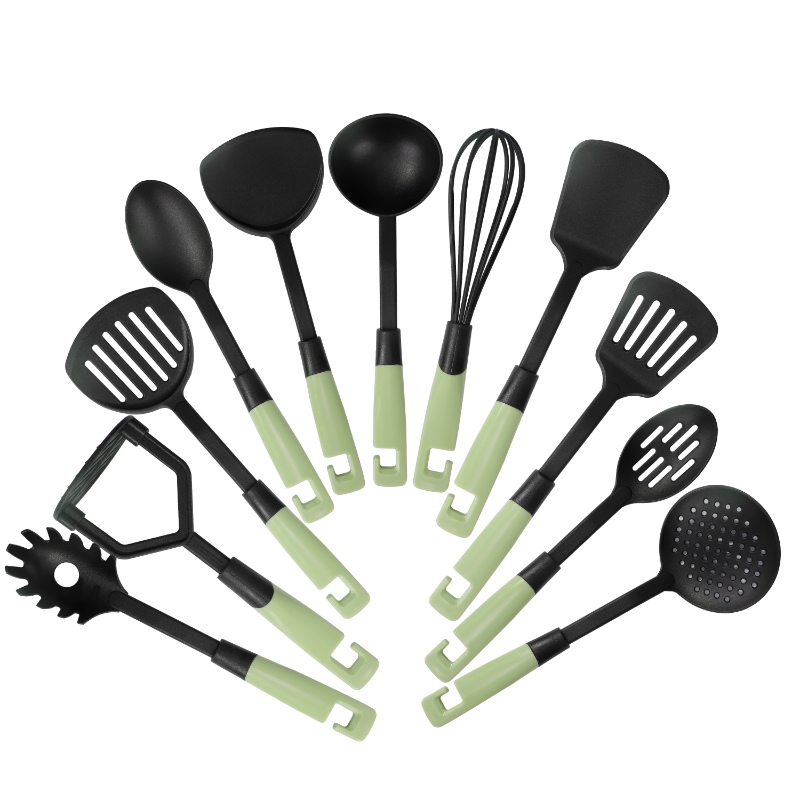
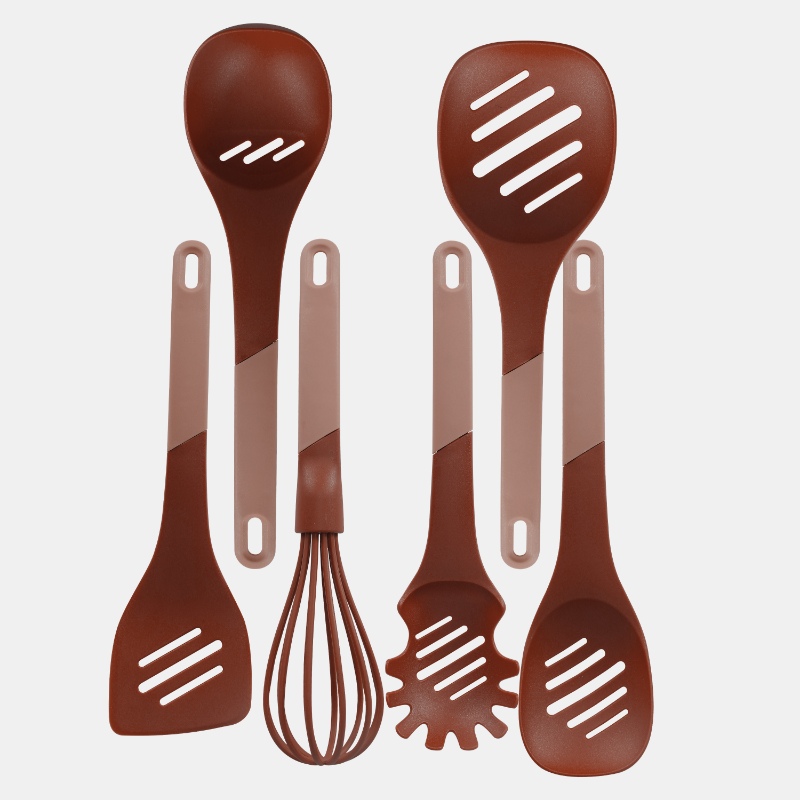
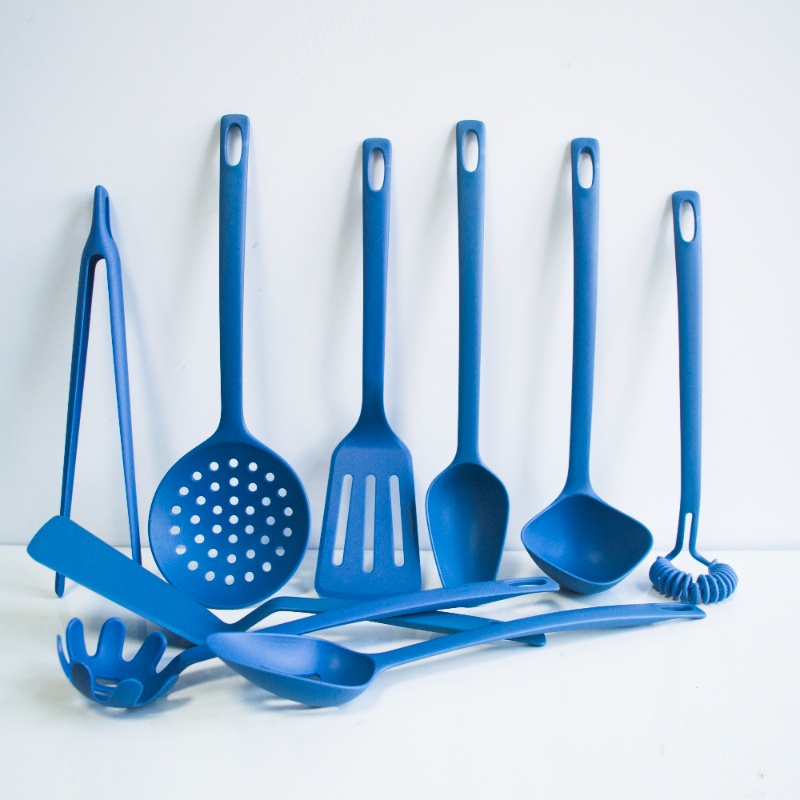
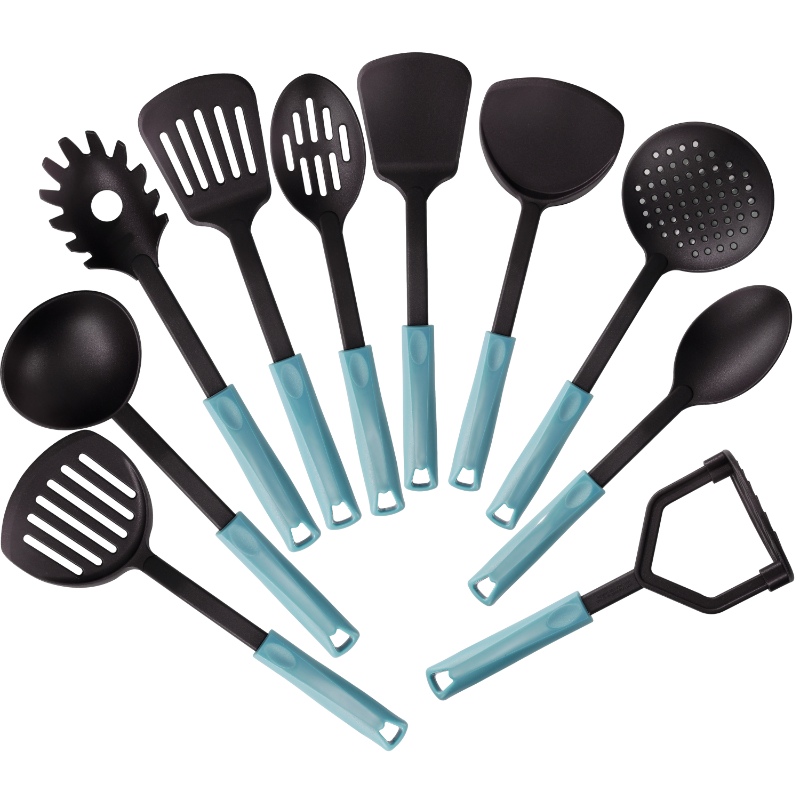
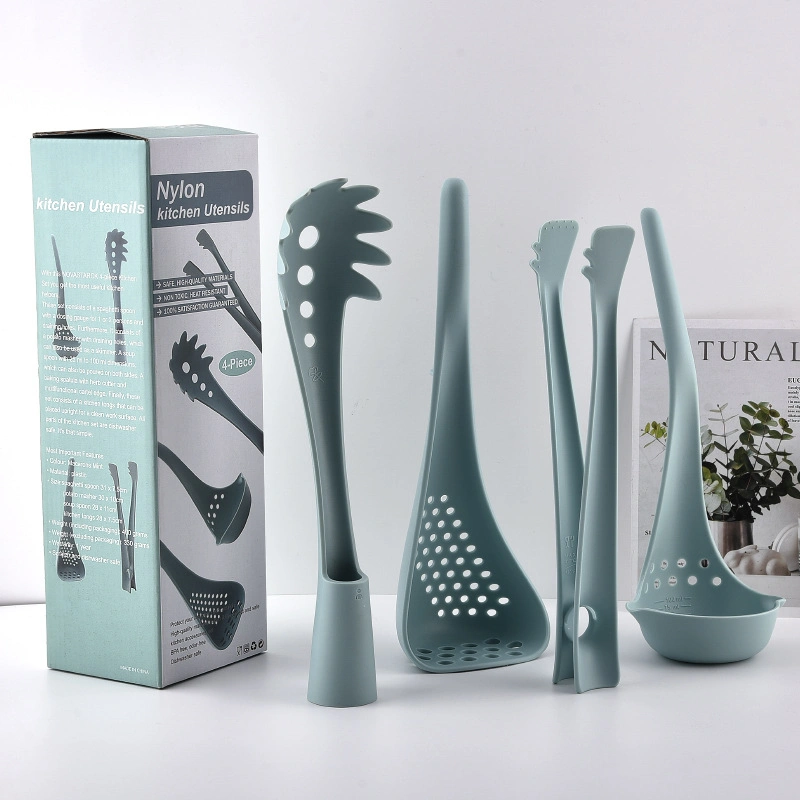
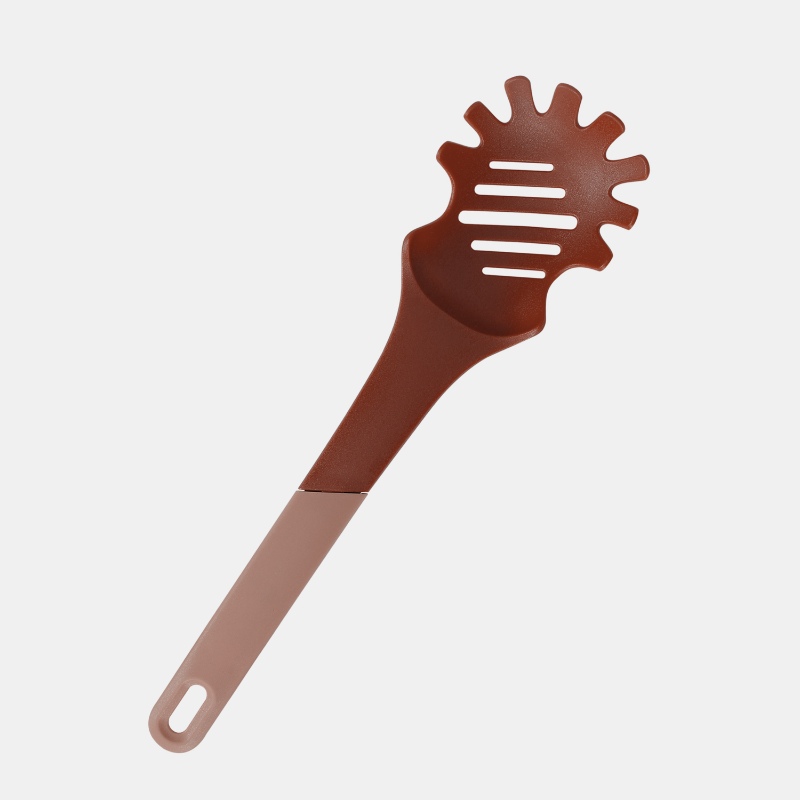
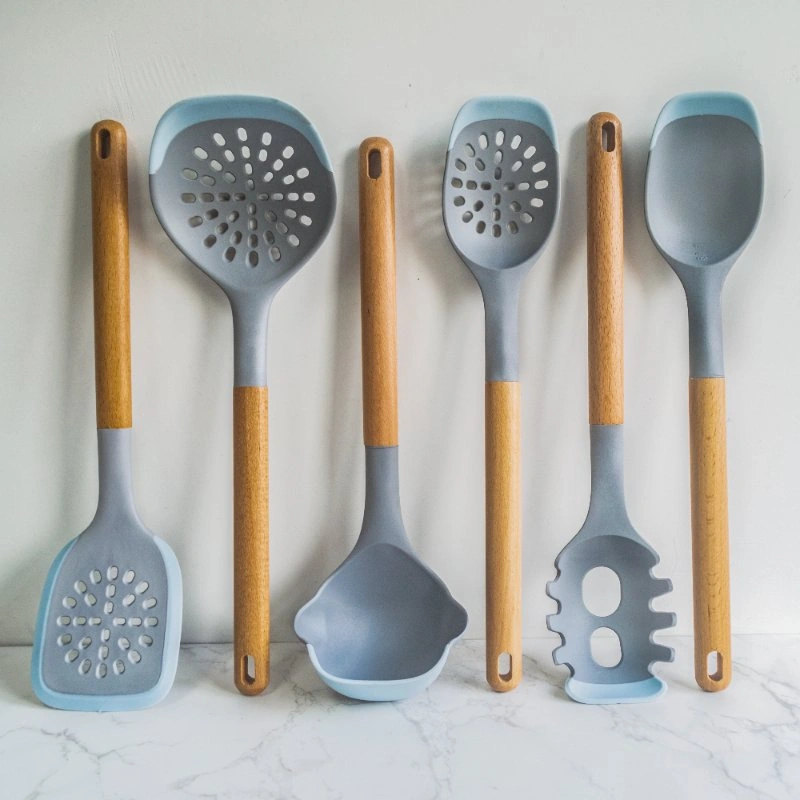
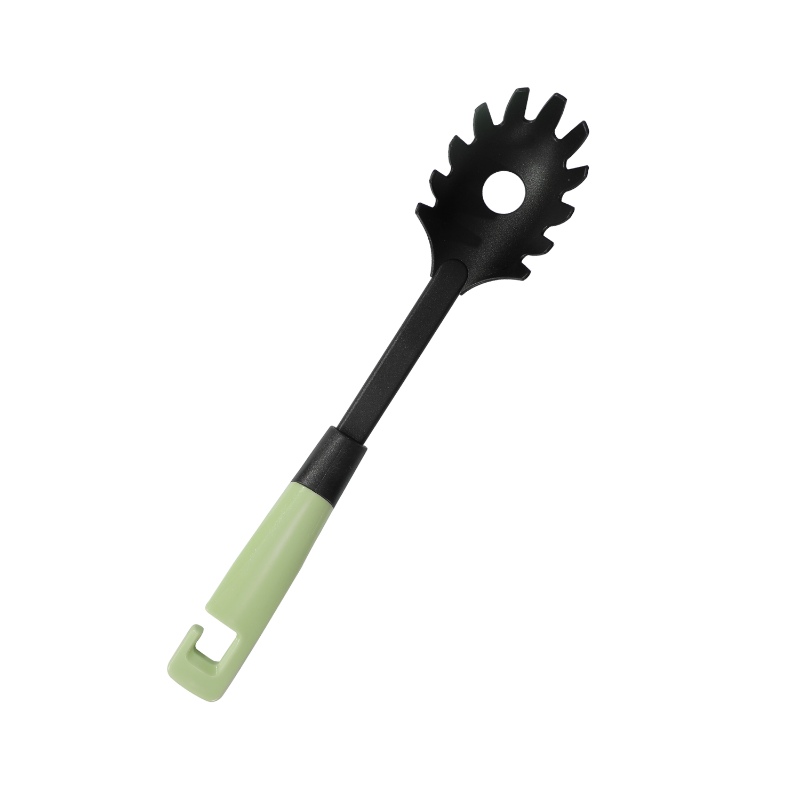
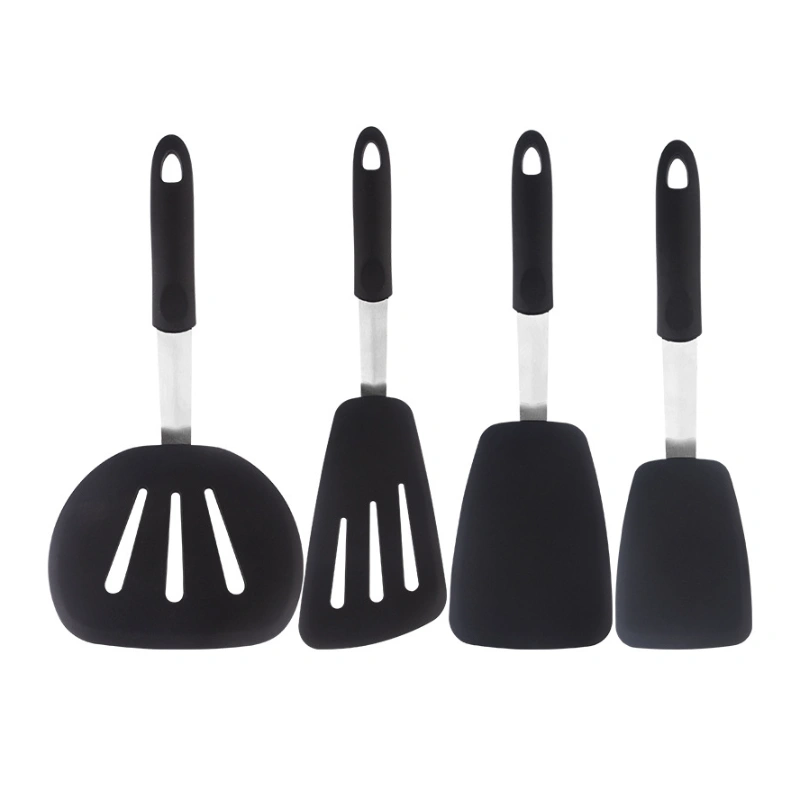
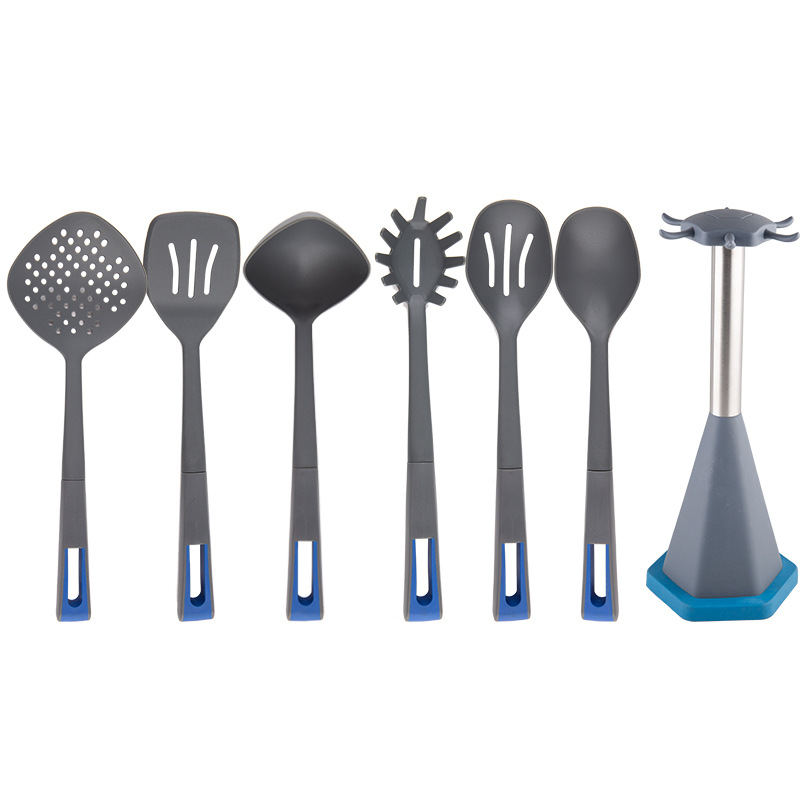
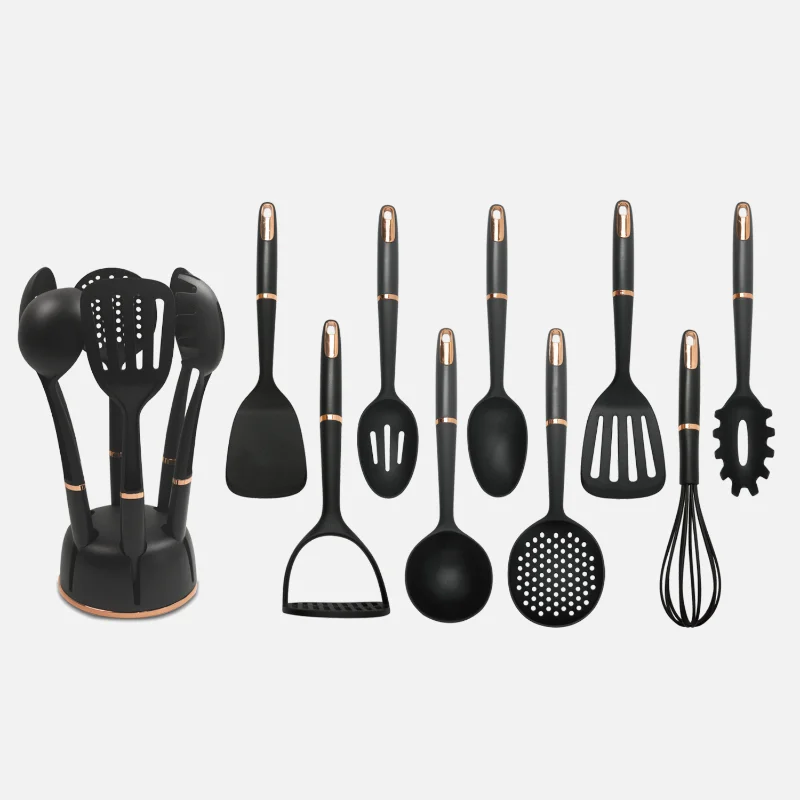
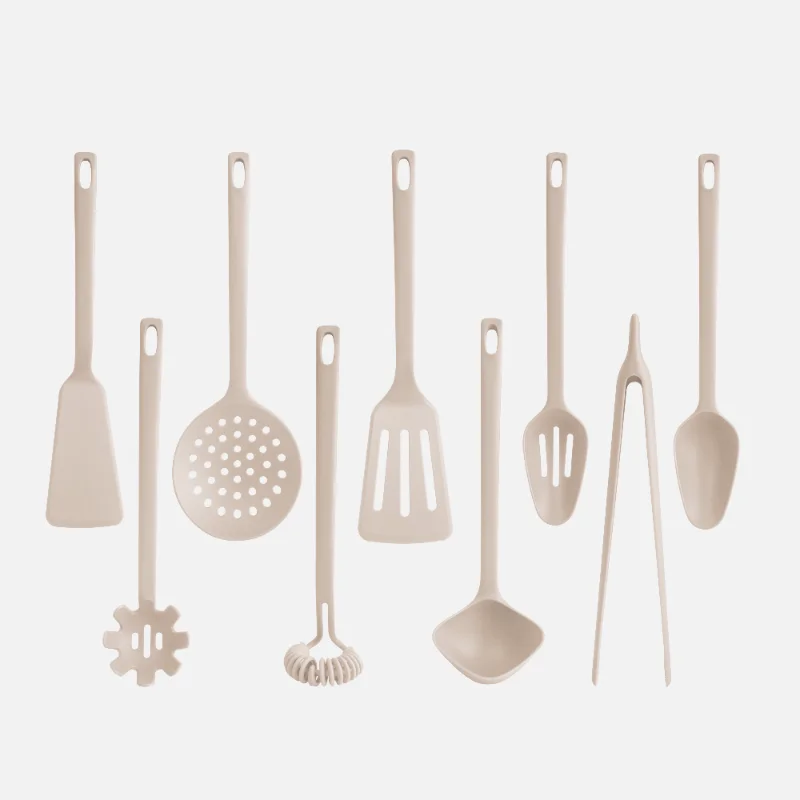
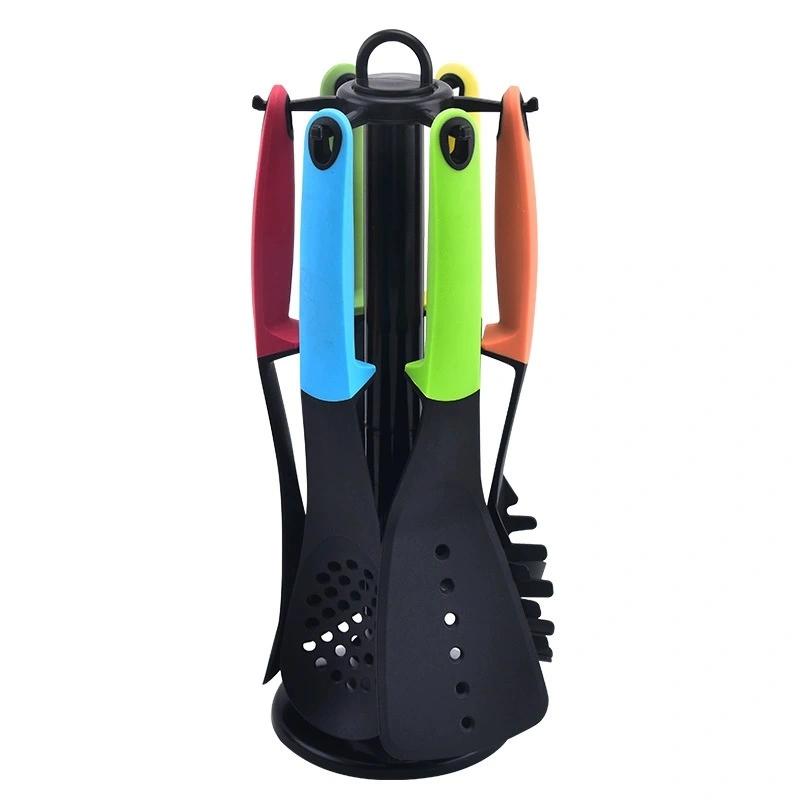
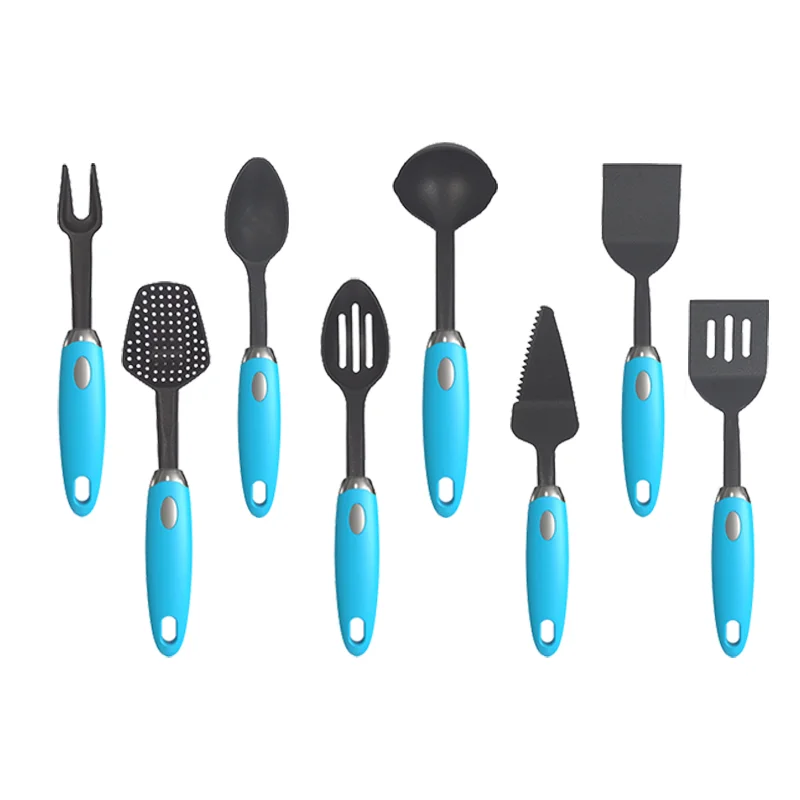
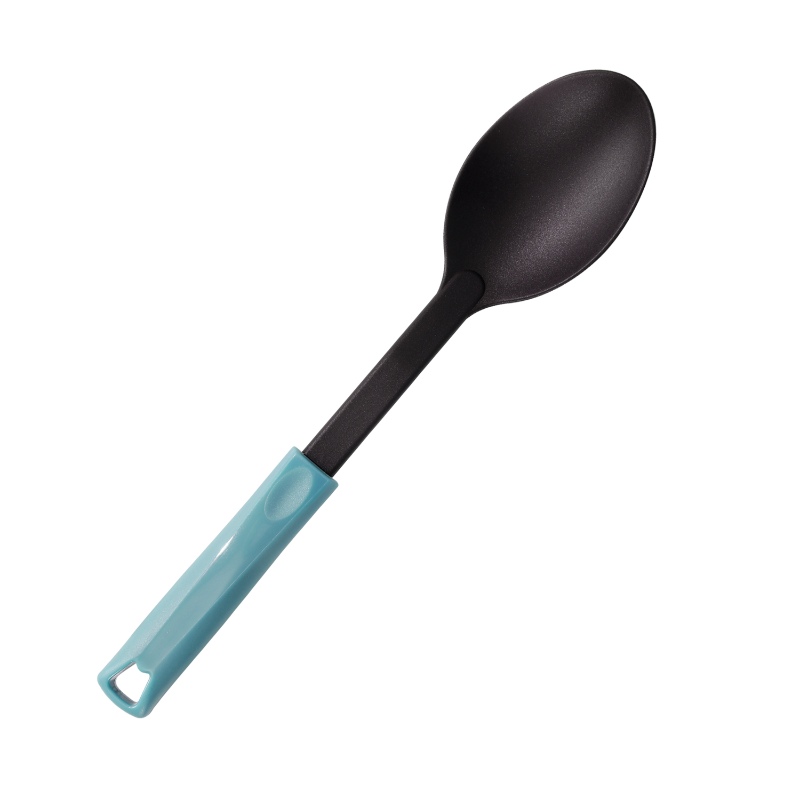
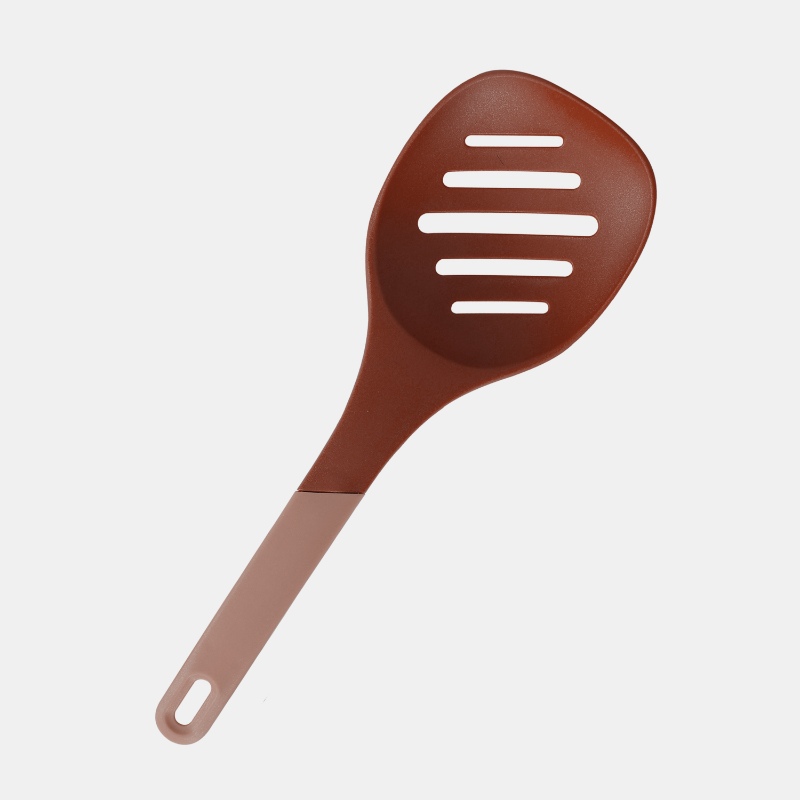
At Canzo Kitchenware, as a leading wholesale nylon kitchenware and nylon cooking utensils manufacturer, many clients ask us: What is nylon 6 and nylon 66? Are they the same? Can they be used interchangeably in nylon kitchen tools?
In this article, we’ll explain the nylon 6 and 66 difference, their properties, and why choosing the right type matters for your kitchen products.
Table of Contents


What is Nylon PA?
Nylon is a high-performance thermoplastic, widely used in both industrial and consumer applications. In the kitchenware industry, nylon is popular for its heat resistance, toughness, and lightweight properties. However, not all nylons are the same. Two of the most common types are nylon PA 6 and nylon PA 6/6, sometimes written as nylon 6 and nylon 66.
Nylon 6 and Nylon 6/6: Key Differences
While nylon 6 and nylon 6/6 may seem similar, their molecular structures, manufacturing methods, and performance characteristics differ.
| Feature | Nylon 6 | Nylon 6/6 |
|---|---|---|
| Chemical Structure | Single monomer (6 carbons) | Two monomers (6 carbons each) |
| Production Method | Casting | Extrusion |
| Service Temperature | Up to 200°F (93°C) | Up to 210°F (99°C) |
| Stiffness | Lower | Higher |
| Durability | Slightly lower | Higher |
| Water Absorption | Higher | Lower |
| Cost | Generally lower | Generally higher |
| Chemical Resistance | Good | Better, especially to acids |
Why This Matters for Wholesale Nylon Kitchenware
For nylon kitchen tools like spatulas, tongs, turners, and cooking spoons, the choice between nylon 6 and nylon 6/6 affects product performance and lifespan:
Nylon 6: More affordable, flexible, and easier to mold into custom designs. However, due to higher water absorption, it may not be the best choice for products exposed to excessive moisture.
Nylon 6/6: Offers greater stiffness, better chemical resistance, and higher service temperature tolerance. Ideal for premium nylon cooking utensils that require durability and heat resistance.
Applications in Kitchen Utensils
At Canzo Kitchenware, we use both nylon 6 and nylon 66 materials depending on the product’s functional needs:
Nylon 6 is perfect for general-purpose kitchen utensils and lightweight designs.
Nylon 6/6 is preferred for heavy-duty applications such as reinforced handles, professional-grade spatulas, and utensils that demand high heat resistance.
We also offer custom nylon kitchen tools to suit your brand’s specific needs.
Wholesale Nylon Kitchen Utensils & Tools From Canzo Kitchenware
As a professional nylon kitchenware manufacturer, we supply high-quality, food-grade nylon cooking utensils to global brands, distributors, and importers. We support OEM/ODM projects, including customized logos, colors, and packaging.
Looking for wholesale nylon kitchen tools? Contact Canzo Kitchenware today for a free product catalog and competitive bulk pricing.
Nylon vs. Silicone Kitchen Utensils: Which Is Better?
A common question we receive: Nylon vs silicone kitchen utensils, which should I choose?
-
Nylon utensils are generally more affordable, rigid, and lightweight. They’re ideal for tasks requiring precision and sturdiness.
-
Silicone utensils are softer, flexible, and handle higher heat without melting. They’re gentler on non-stick cookware.
For many clients, we recommend offering both options in your product range to meet diverse customer preferences.
Are Nylon Kitchen Utensils Safe?
Yes, nylon kitchen utensils are safe when made from BPA-free, food-grade nylon like the products we manufacture. They should not be exposed to temperatures above their service limit (typically around 200-210°F), as this could cause degradation. Always source from reliable factories with strict quality control to ensure safety compliance.
Conclusion
Understanding the nylon 6 and 66 difference is essential for selecting the right material for your nylon kitchenware products. Whether you need affordable options or premium-grade utensils, Canzo Kitchenware can help you develop the perfect solution.
Contact us today to explore our range of wholesale nylon kitchenware, or to discuss your custom nylon cooking utensils project.
FAQ
1. What is nylon 6 and nylon 66?
Nylon 6 and nylon 66 (also known as nylon 6/6) are two types of engineering-grade thermoplastics used in various industries, including kitchenware. Nylon 6 is made from a single monomer, while nylon 66 is produced from two monomers, giving nylon 66 higher stiffness and thermal resistance.
2. What is the difference between nylon 6 and nylon 6/6?
The main difference between nylon 6 and nylon 6/6 lies in their chemical structure, production methods, and physical properties. Nylon 6/6 is generally stiffer, more durable, and more resistant to chemicals and heat compared to nylon 6.
3. Can I use nylon 6 and nylon 6/6 interchangeably in kitchenware?
Not always. Nylon 6 is suitable for lightweight, cost-effective kitchen tools, while nylon 6/6 is better for high-performance utensils requiring higher temperature and chemical resistance.
4. Are nylon kitchen utensils safe?
Yes. When manufactured from BPA-free, food-grade nylon, kitchen utensils are safe to use. Ensure your supplier follows strict quality control standards to guarantee food safety compliance.
5. Which is better: nylon or silicone kitchen utensils?
Both materials have their advantages. Nylon utensils are rigid, lightweight, and cost-effective, while silicone utensils are flexible, high-heat resistant, and gentle on cookware. Offering both in your product line can meet wider market demands.
6. Where can I buy wholesale nylon kitchen tools?
Canzo Kitchenware is a professional manufacturer and supplier of wholesale nylon kitchen tools, nylon cooking utensils, and custom nylon kitchenware. We offer OEM/ODM services for global kitchenware brands and distributors.